
Tools
Small yards don’t mean small harvests. These 10 creative garden bed layouts prove you can grow more in less space—whether you rent, have a patio, or just want to squeeze in extra greens. Perfect for urban gardeners and space-conscious plant lovers!
Vertical Hanging Pocket Planters
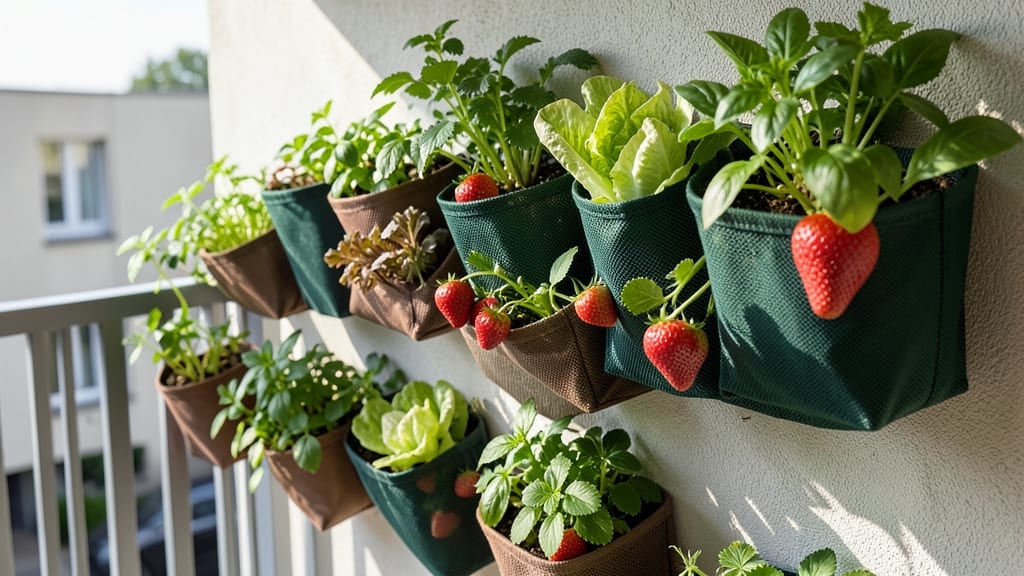
Turn your balcony into a thriving edible garden without sacrificing square footage with vertical hanging pocket planters. These modular fabric pockets transform walls into lush, harvestable greenery—perfect for growing herbs, lettuce, and strawberries in just a few square feet of space.
Each pocket acts as its own mini-garden, allowing you to tailor soil depth and moisture for different plants. Herbs like basil and parsley thrive in shallower pockets, while deeper ones can accommodate strawberries or cherry tomatoes. Hang them at varying heights to create visual interest and ensure all plants get adequate sunlight—just rotate pockets seasonally for optimal growth.
This setup is ideal for renters, urban dwellers, or anyone with limited space who still wants fresh produce. Plus, the pockets are lightweight, easy to clean, and can be moved indoors during cold snaps to protect tender plants. 🌱
Square Foot Gardening Grid
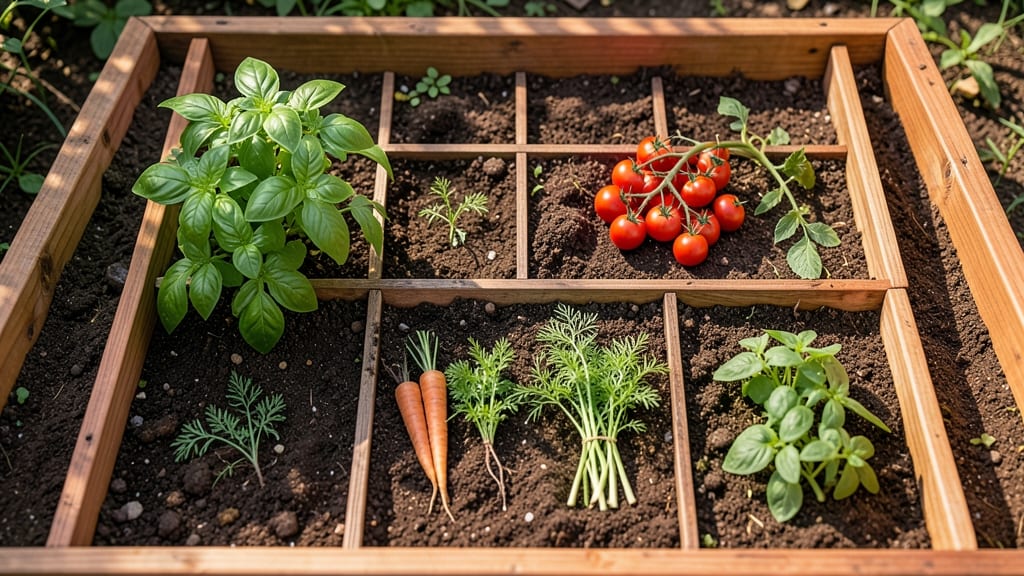
Tired of watching soil go to waste in your small garden? The square foot gardening grid turns every inch into productive space by dividing your bed into a precise 12-inch-by-12-inch grid, where each square grows a specific plant mix based on its mature size. This method, developed by Mel Bartholomew, ensures no space is wasted—whether you're growing 16 carrots, 1 tomato plant, or 4 onions in a single square.
Start by marking your bed with string and stakes to create the grid, then fill it with a high-quality, lightweight soil mix (like Mel’s Mix). Use the square foot planting chart to determine how many plants belong in each square—this prevents overcrowding and maximizes harvests. For example, a 4x4-foot bed can grow over 100 plants without needing a single weed barrier!
This system is a game-changer for urban gardeners, beginners, or anyone with limited space, as it eliminates guesswork and ensures every plant thrives. 🌱
Spiral Herb Garden Bed
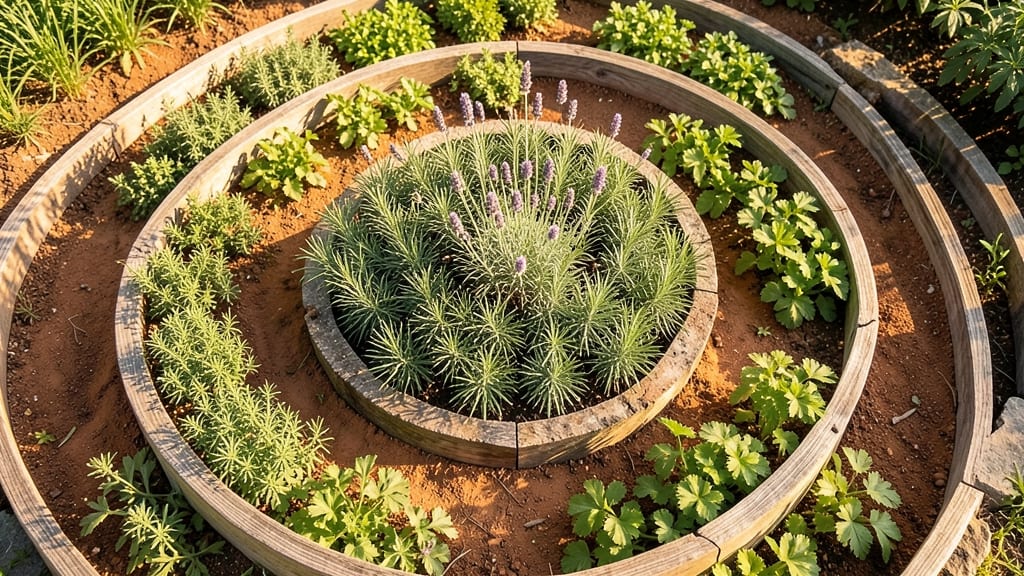
Transform your sunniest corner into a fragrant herb haven with a spiral herb garden bed, where thyme, rosemary, and parsley grow harmoniously in concentric circles. This clever design mimics natural sunlight patterns, letting you grow more herbs in less space while creating a stunning visual focal point.
Start by shaping your bed in a spiral (3-4 feet wide) with the center receiving the most sun and the outer edges getting partial shade. Place sun-loving herbs like rosemary and thyme near the center, while parsley and cilantro thrive in the cooler outer edges. Use well-draining soil and mulch with straw to retain moisture—herbs in spirals stay healthier longer due to the natural airflow between layers.
This layout is perfect for small urban gardens, patio containers, or even as a decorative centerpiece in your yard. It’s especially great for beginners who want a low-maintenance, high-reward herb garden that doubles as a conversation starter. 🌿
Tiered Raised Planter Boxes
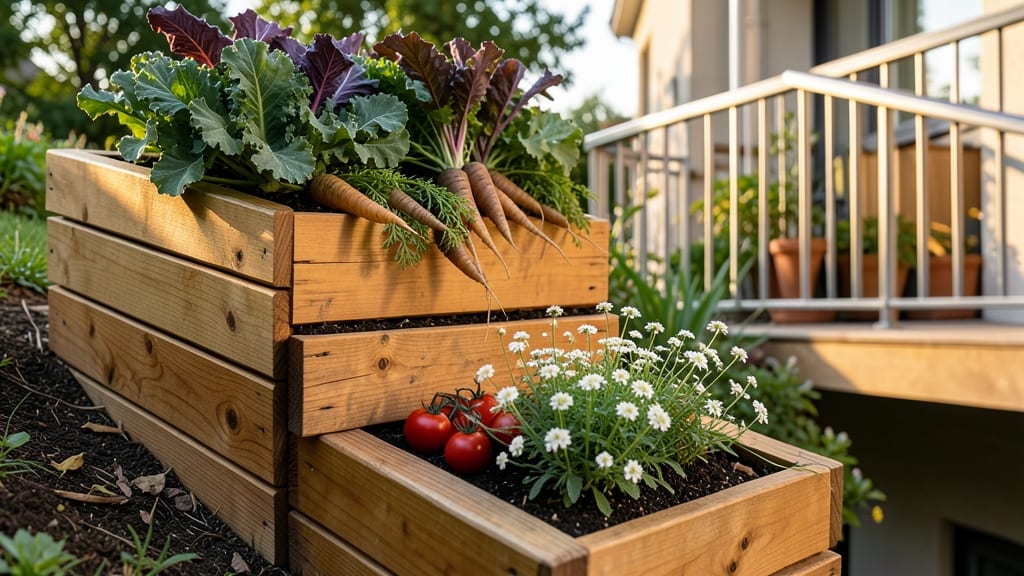
Turn a sloped yard or tiny balcony into a productive garden with tiered raised planter boxes—where every inch counts. These stackable designs let you grow root vegetables, leafy greens, and flowers in vertical layers, maximizing your harvest without sprawling across your space.
Start with the top tier for sun-loving greens like lettuce or spinach, then add mid-height boxes for radishes or bush beans, and fill the bottom with carrots or potatoes that need deeper soil. Use weather-resistant wood or galvanized metal for durability, and ensure each level has proper drainage. This system also makes it easy to rotate crops seasonally—just swap out the top boxes while keeping the structure in place.
Perfect for renters, urban gardeners, or anyone with limited flat space, tiered planters also create a stunning visual cascade. Plus, the elevated design keeps pests like slugs at bay while making harvesting a breeze. 🌻
Keyhole Garden Layout
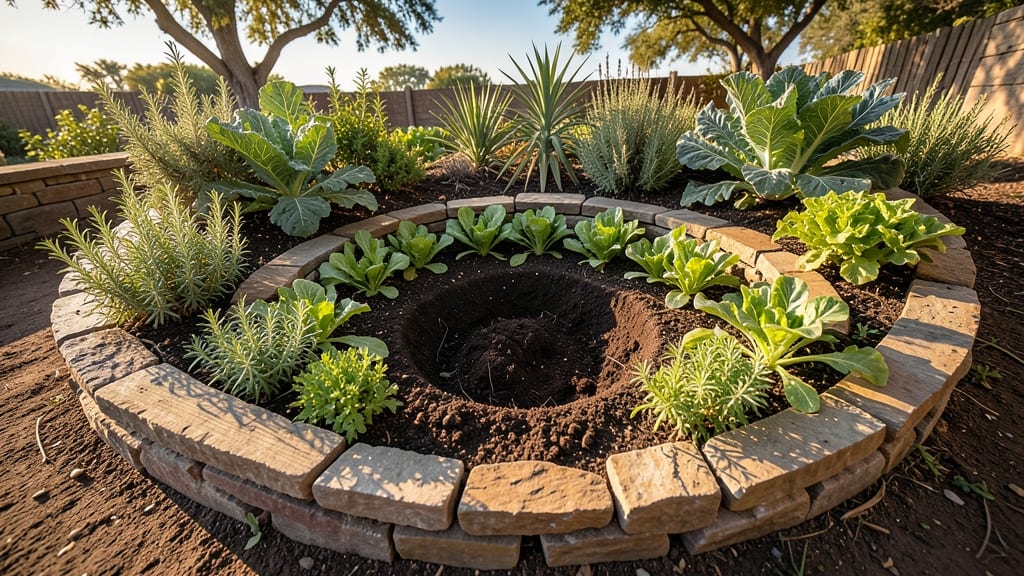
Transform a forgotten corner into a thriving garden with the keyhole garden layout, an African-inspired design that marries sustainability with space efficiency. This circular bed features a central compost hole that feeds nutrients directly to your plants while reducing water waste by up to 50%. Perfect for urban gardeners or those with limited space, it fits snugly against fences or in tight corners.
The compost hole acts as a self-watering system—moisture from decomposing materials seeps outward, keeping roots hydrated for longer growing seasons. Plant leafy greens like kale or Swiss chard around the edges, where they’ll thrive with minimal maintenance. The design also extends your harvest by warming soil faster in spring and retaining heat longer in fall.
This layout is ideal for beginners or eco-conscious gardeners who want a low-maintenance, high-yield system. Plus, the compost hole means fewer trips to the store for soil amendments. 🌱
Window Box Vegetable Garden
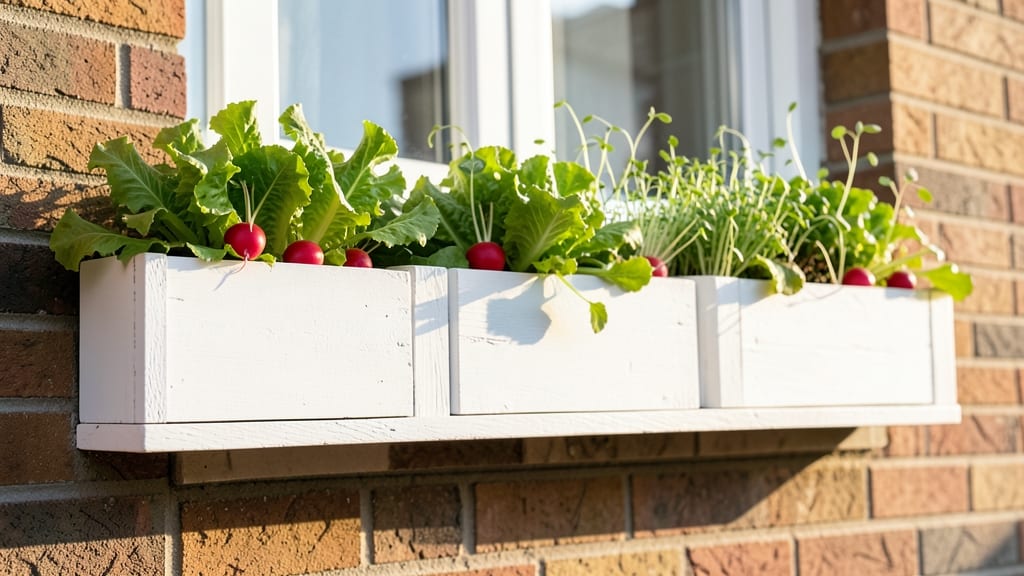
Turn your empty window boxes into a fresh salad bar with this window box vegetable garden—a game-changer for renters and apartment dwellers with limited outdoor space. These classic planters can grow fast-harvest crops like lettuce, radishes, and microgreens, delivering flavorful greens in just weeks.
Start with lightweight, moisture-retentive soil mixed with compost to keep roots happy in shallow boxes. Plant leafy greens (spinach, arugula) and radishes (ready in 30 days) at the front, where they’ll spill over for a lush look. For microgreens, use the back row—they grow quickly and add vibrant color. Water daily in full sun, and avoid overcrowding to prevent disease.
This layout is ideal for beginners or urban gardeners who want instant gratification and a pop of greenery. Plus, you can move boxes to follow the sun or bring them indoors during cold snaps. 🌱
Interplanting Companion Crops
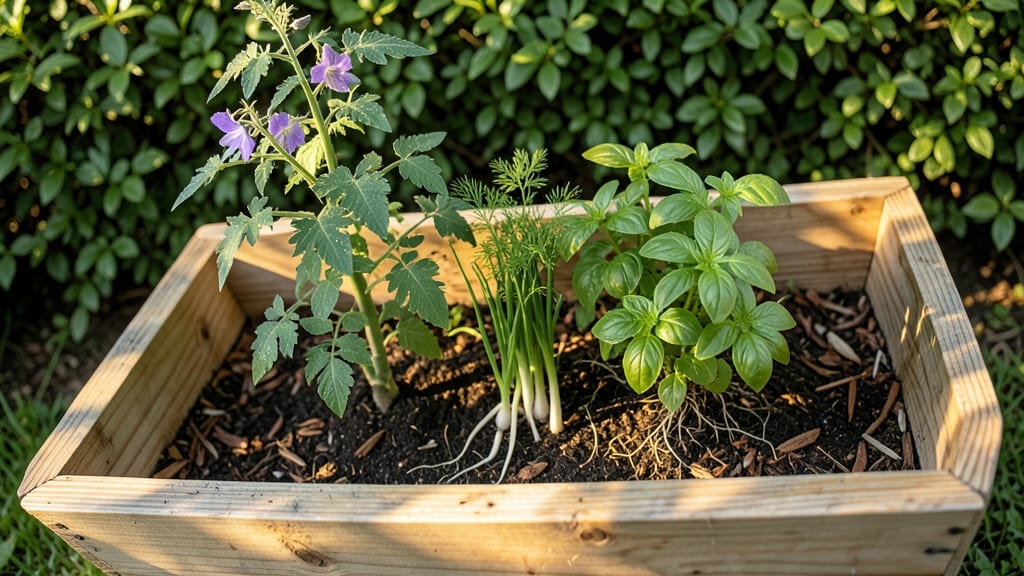
Turn your tiny garden bed into a high-performing ecosystem by pairing plants that naturally support each other—like basil with tomatoes or carrots with onions. This age-old technique not only saves space but also reduces pests and boosts growth, making it a win-win for small gardens.
Start with companion plant combos like marigolds (which repel nematodes) around cucumbers or lettuce (shade-tolerant) under taller tomatoes. Space smaller plants like radishes between slower-growing crops to maximize every inch. For best results, research plant families—some (like tomatoes and peppers) shouldn’t mix, while others thrive together.
This method is ideal for urban gardeners or anyone with limited space, as it turns wasted gaps into productive growing zones. Try it in your next bed and watch your harvest multiply! 🌱
Pallet Wood Planter Garden
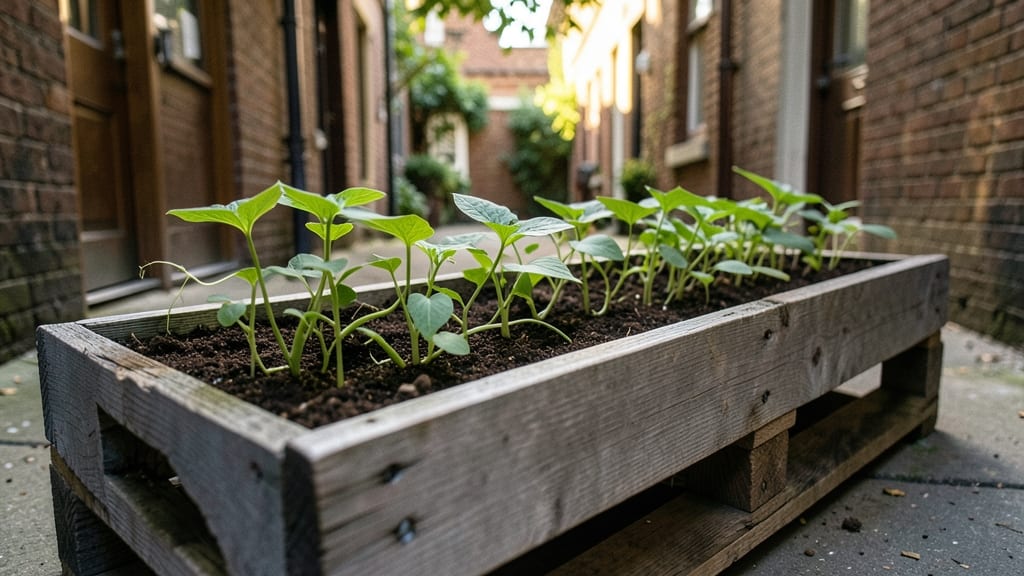
Turn old pallet wood into a budget-friendly garden bed that stretches your growing space without stretching your wallet. These long, narrow planters are perfect for alleyways, patios, or urban courtyards where traditional beds won’t fit—but row crops like beans, peas, or zucchini thrive in their narrow confines.
Start by sanding and treating pallet wood to remove splinters and chemicals (like HT stamping), then line the bottom with landscape fabric to prevent weeds. Fill with well-draining soil and plant seeds or seedlings in rows, leaving space for vining plants to climb. The slatted design also allows excess water to drain while keeping roots moist—ideal for drought-tolerant varieties like bush beans or nasturtiums.
This layout is a game-changer for renters, small-space gardeners, or anyone who wants to grow more without buying expensive planters. Plus, the rustic charm adds character to any outdoor space! 🌱
Mound Garden for Warm-Season Crops
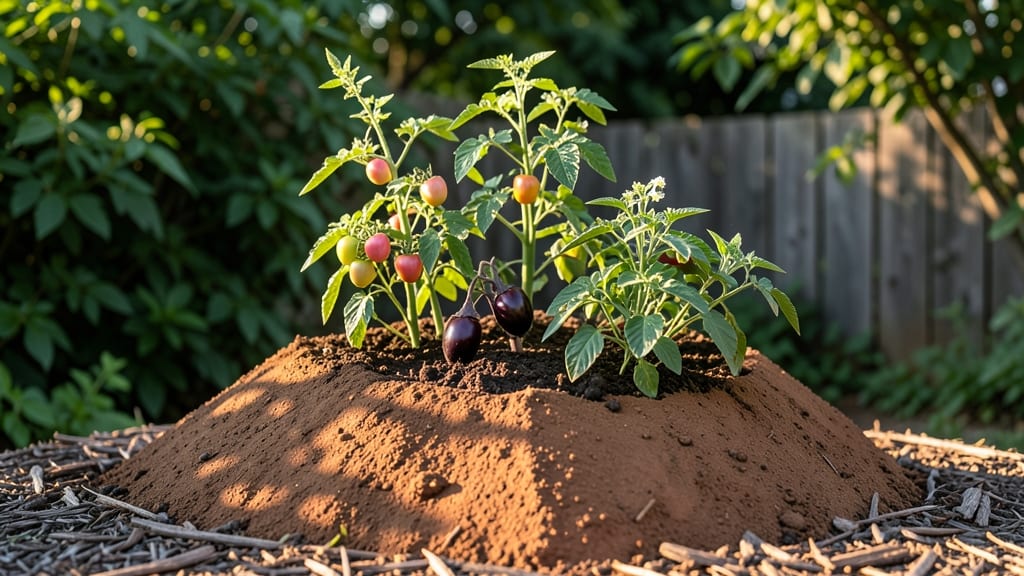
Short on space but craving a bumper crop of tomatoes, peppers, and eggplants? A mound garden solves both problems by creating a warm, elevated microclimate that mimics a greenhouse—perfect for cooler climates where growing seasons feel too short.
Build a 2-3 foot tall mound (about 4 feet wide) using your existing soil or a mix of compost and topsoil. The elevated center warms up 2-3 weeks earlier than flat beds, giving heat-loving crops a head start. Plant your warm-season favorites at the peak where it’s warmest, then cascade shade-tolerant greens down the sides for a multi-level harvest. Mulch the base with straw to retain moisture and suppress weeds, while adding a compost tea boost at planting time ensures robust growth.
This layout is ideal for gardeners with limited flat space or those who want to extend their growing season without investing in raised beds. Plus, the centralized design makes tending to plants easier—no more bending over for hours! 🌱
Hanging Basket Herb Garden

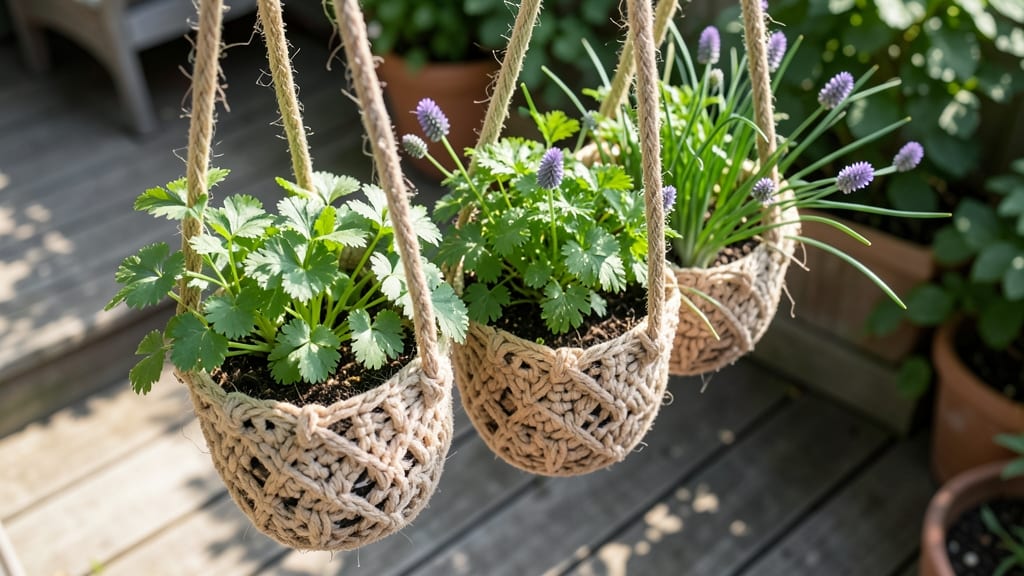
Transform your patio or kitchen into a fragrant herb haven with a hanging basket herb garden—no yard required! These portable macramé baskets let you grow parsley, cilantro, and chives in a compact, movable system that adapts to your space and sunlight needs.
Use well-draining potting mix and place baskets where they’ll get 4-6 hours of sun daily (cilantro prefers partial shade). The key to success is regular watering—hanging baskets dry out faster than ground beds, so check soil moisture daily. Move baskets indoors during winter to extend the growing season, or place them near sunny windows for year-round greens.
Perfect for renters, small balconies, or anyone who wants instant access to fresh herbs without sacrificing space. Plus, the bohemian charm of macramé adds a stylish touch to any outdoor (or indoor) setting. 🌿