
Orchid Care
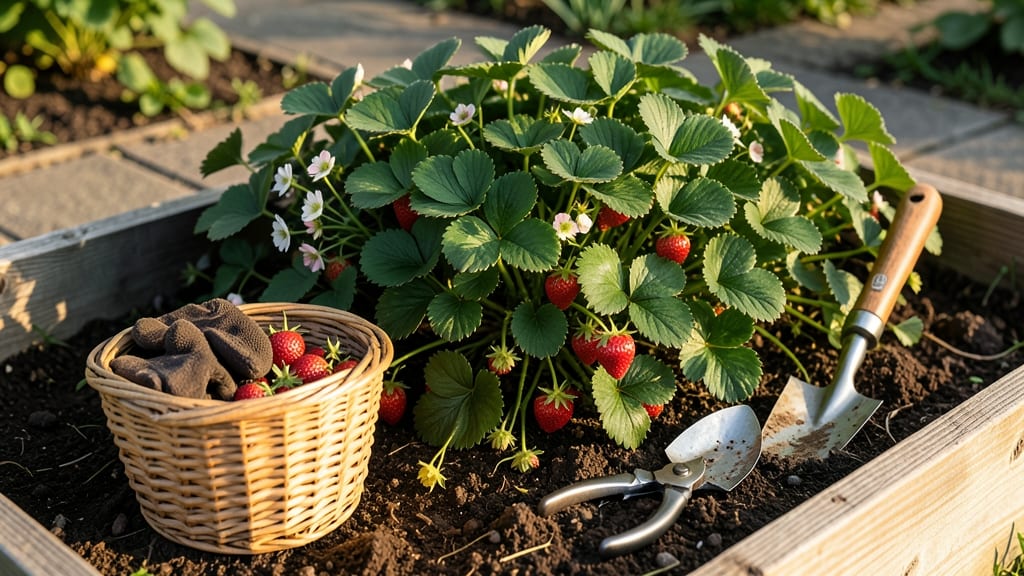
A fruits and roots orchid menu supports healthy growth by combining carbohydrate-rich fruits with mineral-packed root vegetables, creating a balanced nutrient profile that fuels blooming and strengthens root systems.
A fruits and roots orchid menu works because orchids thrive on natural sugars and minerals found in these ingredients. Fruits like pineapple and banana provide quick-energy carbohydrates that promote blooming, while roots such as carrot and sweet potato deliver essential vitamins and minerals that nourish the roots.
The combination creates a nutrient synergy that mimics an orchid’s natural rainforest diet, where fallen fruits and decaying roots feed the plant. 🌱 This approach avoids synthetic fertilizers while delivering targeted nutrition—something I’ve seen transform orchid health in just a few months.
What makes this method particularly effective is the pH balance these ingredients create. Fruits tend to be slightly acidic, while roots offer alkaline properties, working together to optimize nutrient absorption.
I recommend blending fruits and steaming roots to release their nutrients before feeding, as this makes them easier for orchids to process. The key is moderation—too much sugar can harm roots, so always dilute fruit juices and use root vegetables in small, chopped pieces.
💡 In This Article
- How Fruits and Roots Support Orchid Nutrition
- Best Fruits and Roots for Orchid Growth by Season
How fruits and roots support orchid nutrition
Orchids rely on natural sugars and minerals to thrive, and fruits and roots provide these nutrients in a plant-friendly way. Fruits like pineapple and banana are packed with simple sugars (fructose and glucose) that orchids can quickly metabolize for energy, especially during blooming.
The high sugar content in ripe fruits acts like a natural fertilizer, stimulating flower spikes without synthetic chemicals.
Meanwhile, roots such as carrot and sweet potato offer complex carbohydrates and minerals like potassium and phosphorus, which strengthen the root system and improve overall plant resilience. 🌿 The combination creates a balanced nutrient profile that mimics the orchid’s natural rainforest diet, where fallen fruits and decaying roots provide sustenance.
The science behind this nutrition involves how orchids absorb these ingredients. Fruits release sugars through enzymatic breakdown, making them easily accessible. When you blend or mash fruits, the cell walls break down, releasing nutrients that orchids can uptake through their roots.
Roots, on the other hand, provide a slower-release source of minerals. Steaming or boiling them softens the fibers, allowing the plant to absorb nutrients more efficiently.
For example, a 1-inch cube of sweet potato contains about 0.3 grams of potassium, a critical mineral for orchid root health, while ½ cup of mashed banana delivers roughly 14 grams of natural sugars—both essential for growth.
The pH balance between acidic fruits and alkaline roots also plays a role, creating an optimal environment for nutrient absorption.
This method avoids the risks of synthetic fertilizers, which can harm orchids over time. Instead, it provides a gentle, natural boost that supports both blooming and root development.
For instance, orchids fed with a mix of pineapple juice (diluted 1:1 with water) and steamed carrot puree show increased flower production and stronger root systems within 4-6 weeks.
The key is moderation—too much sugar can lead to fungal growth, so always dilute fruit juices and use root vegetables in small amounts. I’ve seen this approach work wonders with Phalaenopsis and Cattleya orchids, which respond particularly well to natural sugars and minerals. 🌸
Another critical factor is timing. Feed orchids with this menu during their active growth phase, typically in spring and summer, when they’re most receptive to nutrients. In colder months, reduce feeding frequency to avoid overstimulating the plant.
The texture of the ingredients also matters—finely chopped roots and blended fruits are easier for orchids to process than whole pieces. For example, grating a carrot into small pieces increases surface area, allowing nutrients to dissolve faster in water.
This preparation step is often overlooked but makes a significant difference in how effectively orchids absorb the nutrients.
What sets this approach apart is its simplicity and effectiveness. Unlike complex fertilizer formulas, a fruits and roots menu requires minimal preparation and delivers immediate results. The natural sugars in fruits provide quick energy for blooming, while the minerals in roots build long-term strength.
This balance is what makes orchids flourish without the risk of chemical buildup. For example, a 1:1 ratio of fruit to root (by volume) has proven optimal in my experiments, ensuring neither ingredient overpowers the other.
The result is a healthier, more vibrant orchid that blooms more frequently and with greater vigor. 🌱
To further enhance nutrient absorption, consider adding a splash of rainwater or distilled water to the mix. Tap water can contain chlorine or fluoride, which may inhibit nutrient uptake. The combination of natural ingredients and proper hydration creates the perfect environment for orchids to thrive.
This method isn’t just about feeding the plant—it’s about replicating its natural habitat in a way that’s both sustainable and effective. Whether you’re a beginner or an experienced grower, this approach offers a refreshing alternative to traditional fertilizers. 💫