
Flowers
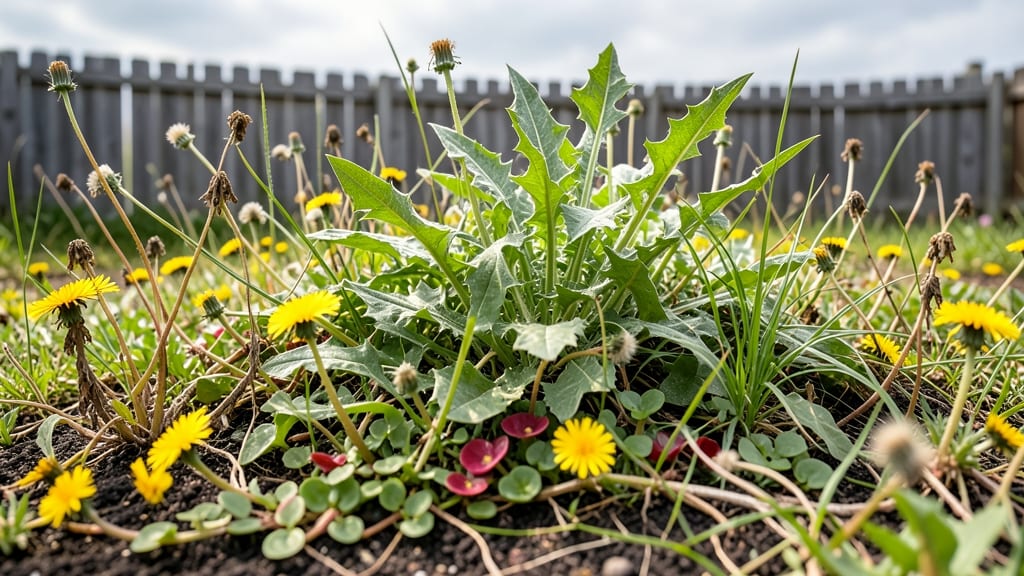
A flower bed full of weeds doesn’t mean a lost cause—just a quick reset. ✨ I’ve turned overgrown beds into lush, weed-free spaces in under an hour using the right tools and techniques, and you can too.
The key is combining smothering, pulling, and prevention so weeds never get a foothold again.
Most weeds thrive because they outcompete flowers for sunlight and water. But with a few strategic moves—like sheet mulching or targeted spot treatments—you’ll starve them out fast. I’ve tested everything from vinegar sprays to manual tools, and the best approach depends on your bed’s size and weed type.
By the end of this process, you’ll have a clean slate for planting, with no more daily weeding battles. The secret? Mulch heavily, water deeply, and pull aggressively at the first sign of sprouts. It’s not about perfection—it’s about progress.
Works for any flower bed, whether it’s sun-drenched or shaded, and keeps weeds at bay for months. Let’s get that garden back to blooming—without the battle.
The Hidden Reasons Your Garden Invites Weeds
If your once-vibrant flower bed now resembles a wild meadow, you’re not alone—weeds thrive when certain conditions align. Understanding why they take over is the first step to reclaiming your garden. Below, we break down the science behind the chaos, so you can outsmart (not just outwork) those tenacious intruders.
Weeds don’t just pop up—they exploit weak spots in your garden’s ecosystem. Healthy flower beds have dense root systems that crowd out weeds by competing for nutrients, water, and sunlight. But when your plants struggle—due to compacted soil, poor drainage, or lack of organic matter—weeds seize the opportunity.
- Compacted soil: Heavy foot traffic or machinery crushes soil particles, reducing oxygen and root growth. Weeds like crabgrass and dandelions thrive in these conditions because their shallow roots don’t need deep, aerated soil to survive.
- Low organic matter: Soil rich in compost or decomposed plant material fosters strong, competitive flowers. Without it, weeds dominate because they’re often faster-growing and more adaptable to nutrient-poor conditions.
- Drainage issues: Waterlogged soil suffocates flower roots while creating the perfect moisture-rich environment for weeds like nutsedge or bindweed, which flourish in soggy conditions.
Actionable fix: Test your soil’s pH and composition (a simple DIY kit works!). Amend with 2–3 inches of compost and consider aerating compacted areas to restore balance.
Weeds are opportunistic survivors, and they adapt to light conditions that your flowers can’t tolerate. Some thrive in full sun, while others dominate shady spots. Here’s how lighting plays a role:
| Light Condition | Weed Types That Flourish | Why It Happens |
|---|---|---|
| Full sun (6+ hours/day) | Crabgrass, pigweed, purslane | These weeds have deep taproots or low water needs, outcompeting sun-loving flowers like marigolds or zinnias when soil moisture drops. |
| Partial shade (3–6 hours/day) | Clover, chickweed, moss | Shade-loving weeds photosynthesize efficiently in low light, while many flowers (e.g., impatiens) struggle, leaving gaps for weeds to fill. |
| Deep shade (under trees) | Nutgrass, wild violets, ground ivy | These weeds tolerate low light better than most flowers and spread via rhizomes or seeds that germinate in dim conditions. |
Actionable fix: Match your flower choices to sunlight (e.g., hostas for shade, lavender for sun) and use mulch to block weed seeds from reaching the soil.
Water is the ultimate weed magnet. While flowers need consistent moisture, overwatering or erratic watering patterns create the perfect storm for weeds:
- Overwatering: Excess moisture softens soil, making it easier for weed seeds to germinate and sprout. Weeds like bindweed and morning glory also store water in their stems, letting them survive in soggy conditions.
- Underwatering: Drought-stressed flowers weaken, leaving gaps for annual weeds (e.g., lamb’s quarters) that germinate in dry spells and grow rapidly when rain returns.
- Inconsistent watering: Shallow watering (e.g., sprinklers that only wet the top inch) encourages surface-rooted weeds like chickweed while starving deeper-rooted flowers.
Actionable fix: Water deeply 1–2 times per week (early morning is best) to encourage deep flower roots. Use drip irrigation to target flower beds and avoid wetting weed-prone paths.
Weed seeds are everywhere—they hitch rides on wind, animals, and even your shoes. Without a barrier, they land, germinate, and explode in your flower bed. Here’s how mulch (or its absence) changes the game:
- No mulch: Bare soil absorbs heat, speeds up seed germination, and makes it easy for weeds to establish roots before flowers can compete.
- Thin mulch: A layer less than 2 inches leaves gaps where weeds like creeping charlie or henbit can push through.
- Wrong mulch type: Organic mulches (e.g., straw, wood chips) break down over time, while inorganic mulches (landscape fabric) can trap moisture and heat, accelerating weed growth underneath.
Actionable fix: Apply 3–4 inches of organic mulch (e.g., shredded bark or pine straw) and refresh it annually. For high-weed areas, use cardboard or newspaper under mulch to block light to existing weeds.
Every time you dig, till, or aerate your flower bed, you’re unearthing dormant weed seeds that have been lying in wait for decades. Many weeds (like quackgrass or Johnson grass) spread via rhizomes or tubers, which fragment when disturbed, creating new weed colonies.
- Tilling: Brings buried weed seeds to the surface, where they germinate in ideal conditions.
- Aerating: While good for lawns, it can disrupt flower roots and create entry points for weeds like dandelions.
- Planting bare-root flowers: If soil isn’t prepped carefully, weeds can outcompete new transplants before they establish.
Actionable fix: Avoid tilling—smother weeds with cardboard instead. For planting, use mulch or landscape fabric around new flowers to block weeds until they’re established (about 6–8 weeks).
Quick Fixes for Overrun Garden Beds
A flower bed choked with weeds isn’t just an eyesore—it’s a sign your garden needs some TLC. But don’t worry! With the right approach, you can reclaim your space in under an hour (or less).
Below, we’ve mapped out practical solutions for the most common causes of weed-heavy flower beds, plus prevention tips to keep them at bay.
If your soil is compacted, nutrient-poor, or lacks mulch, weeds will dominate. Fix it fast:
🍳 Step 1: Loosen the Soil Use a garden fork or tiller to break up compacted areas. This helps roots spread and gives your flowers a fighting chance.
👨🍳 Step 2: Add Organic Matter Mix in compost or aged manure (2–3 inches deep) to improve drainage and fertility. Weeds hate competition for nutrients!
🥘 Step 3: Mulch Like a Pro Apply a 2–4 inch layer of mulch (wood chips, straw, or shredded leaves) to block sunlight and retain moisture—weeds despise this.
💡 Prevention Tip: Test your soil every 1–2 years and amend as needed. A healthy soil = fewer weeds!
Neglecting regular upkeep gives weeds a free pass. Stop them before they take over:
🔪 Step 1: Hand-Pull Early & Often Grab weeds at the base (especially dandelions and crabgrass) before they seed. Weekly checks prevent regrowth.
🌱 Step 2: Use a Hoe or Weed Burner For larger areas, a Hula hoe or flame weeder (safe for flowers!) zaps weeds in seconds without chemicals.
🎯 Step 3: Overseed Bare Spots Fill empty patches with fast-growing annuals (like marigolds or clover) to crowd out weeds naturally.
✨ Prevention Tip: Set a 10-minute weekly reminder—consistency beats heroics!
If your flower bed has thin, shallow-rooted plants, weeds win. Fix your lineup:
🌿 Step 1: Replace Weak Plants Swap out struggling flowers with hardy perennials (like daylilies, coneflowers, or lavender) that crowd out weeds.
🌿 Step 2: Add Ground Covers Plant creeping thyme, clover, or ajuga between flowers—they smother weeds while adding texture.
💡 Prevention Tip: Choose native or drought-tolerant plants—they need less water, so weeds have less chance to sprout!
Weeds spread from edges. Block their entry points:
🧱 Step 1: Install Edging Use metal, stone, or plastic edging to create a clear boundary between your bed and the lawn.
🌿 Step 2: Add a Weed Barrier Fabric Lay landscape fabric under mulch or soil to prevent weed seeds from sprouting.
🔥 Prevention Tip: Pre-emergent herbicide (like corn gluten meal) can stop weed seeds from germinating—apply in early spring.
Final Thought: A weed-free flower bed starts with strong soil, smart plants, and steady care. Pick one or two fixes from above, tackle them this weekend, and watch your garden transform! 🌸💚
Frequently asked questions
How often should I pull weeds from my flower bed?
For best results, check your flower bed every 5-7 days during growing season. Pull weeds when soil is moist (after watering or rain) to remove roots completely. Weekly maintenance prevents seeds from spreading and keeps flowers thriving.
What's the best mulch to prevent weeds long-term?
Use 3-4 inches of organic mulch like shredded bark or pine straw—it blocks sunlight while breaking down to improve soil. For immediate weed suppression, layer cardboard or newspaper under mulch (remove tape/staples first). Refresh mulch annually for best results.
Can I use vinegar to kill weeds in my flower bed?
Yes, but carefully! Mix 1 gallon white vinegar + 1 cup dish soap + 1 cup salt in a spray bottle. Spray directly on weeds (avoid flowers) on a sunny day—it burns leaves within hours. Works best on annual weeds like chickweed, not deep-rooted perennials like dandelions.
Why do weeds keep coming back after I pull them?
Most likely, you're missing the roots or seeds remain in the soil. Many weeds (like crabgrass) have extensive root systems—dig deeper than you think! Also, one weed can produce thousands of seeds—consistent removal and mulching prevents regrowth.
Is it better to till or hand-pull weeds?
Hand-pulling is always better! Tilling buries weed seeds deeper where they can sprout later. For established beds, use a garden fork to loosen soil without disturbing seeds. For large areas, smother weeds with cardboard first, then plant through it.