
Landscaping
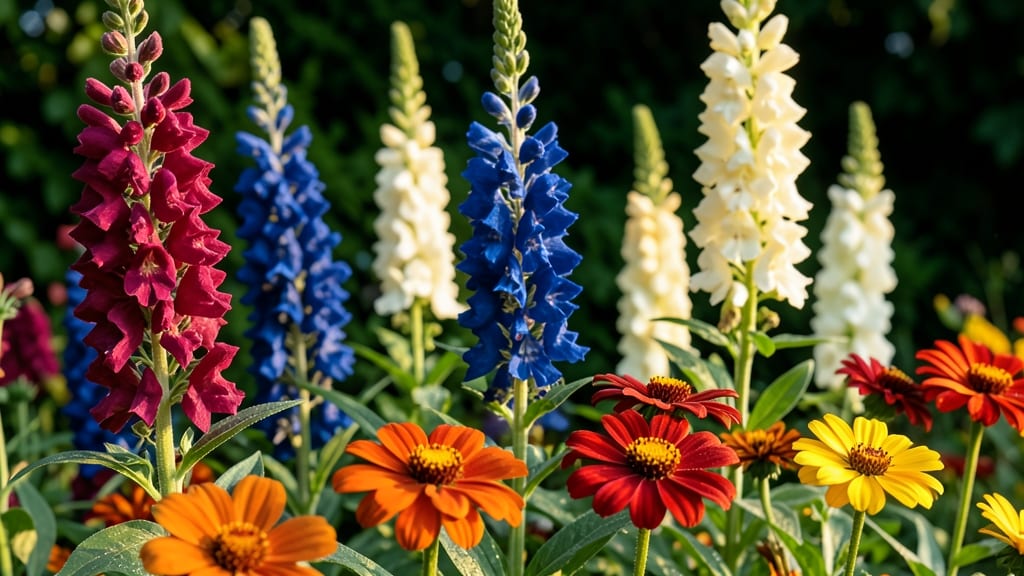
Transform your yard into a vibrant, low-maintenance paradise with these flower bed combinations. Each pairing delivers year-round color while requiring minimal upkeep—perfect for busy gardeners who still crave beauty.
Sunny Border With Black-Eyed Susans
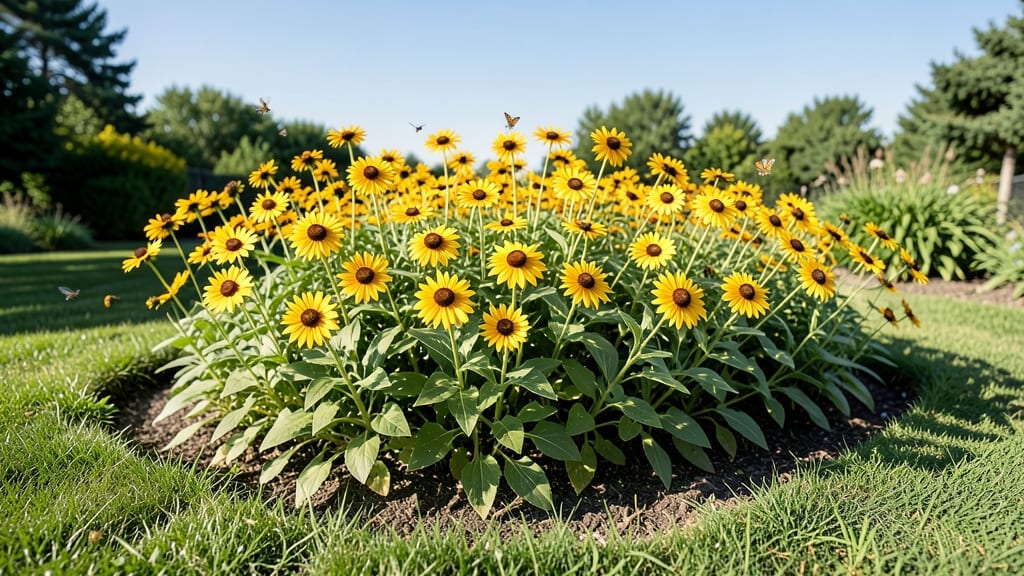
Want a front-yard flower bed that looks stunning with almost no effort? Black-eyed Susans are your secret weapon—these cheerful golden blooms thrive in full sun, attract pollinators, and don’t even need deadheading to keep blooming all summer!
The key to their effortless beauty lies in pairing them with purple coneflowers and ornamental grasses for height and texture. Plant in well-draining soil and water occasionally—once established, they’re drought-tolerant. For extra impact, mix in goldenrod for late-season color. This combo delivers instant curb appeal with minimal upkeep.
Perfect for beginners or busy gardeners, this sun-loving trio creates a low-maintenance, pollinator-friendly display that keeps blooming until frost. 🌻
Shade-Loving Impatiens And Heuchera Mix
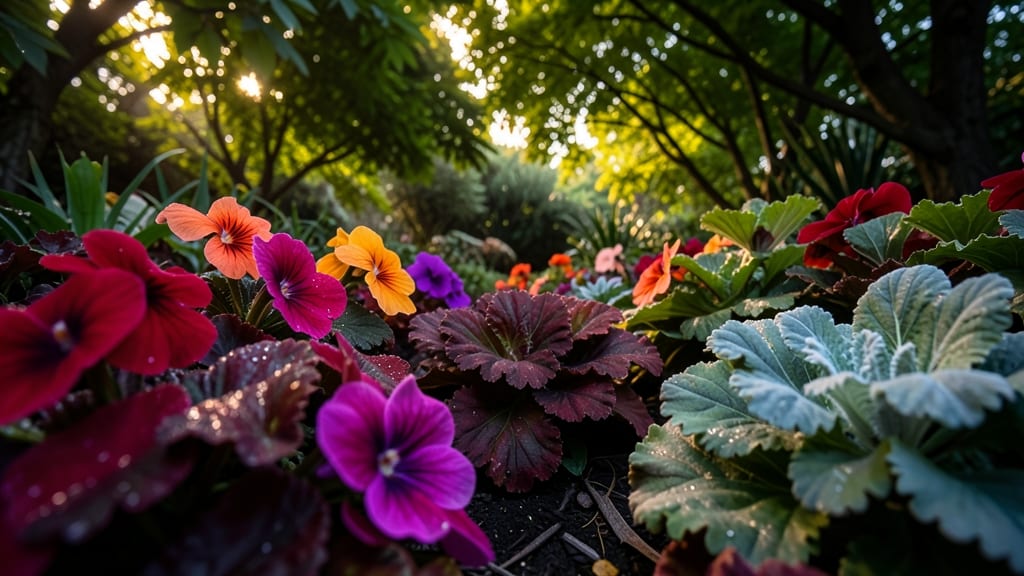
Turn those gloomy, forgotten spots under trees into lush, vibrant displays with a shade-loving impatiens and heuchera mix. This dynamic duo thrives where sunlight barely reaches, offering nonstop blooms and striking foliage that brightens even the darkest corners of your garden.
Plant impatiens—available in shades of pink, purple, and white—for cascading color that lasts all season, while heuchera (also called coral bells) provides bold, textured foliage in deep purples, silvers, or chartreuse. Both love moist, well-draining soil and prefer dappled shade to full shade, making them perfect for tree canopies or north-facing beds. Mulch around the base to retain moisture and suppress weeds.
This combination is especially great for urban gardeners with limited sun or beginners who want low-maintenance beauty. The impatiens will keep blooming until frost, while the heuchera’s evergreen leaves add year-round interest. 🌿
Drought-Tolerant Lavender And Rosemary
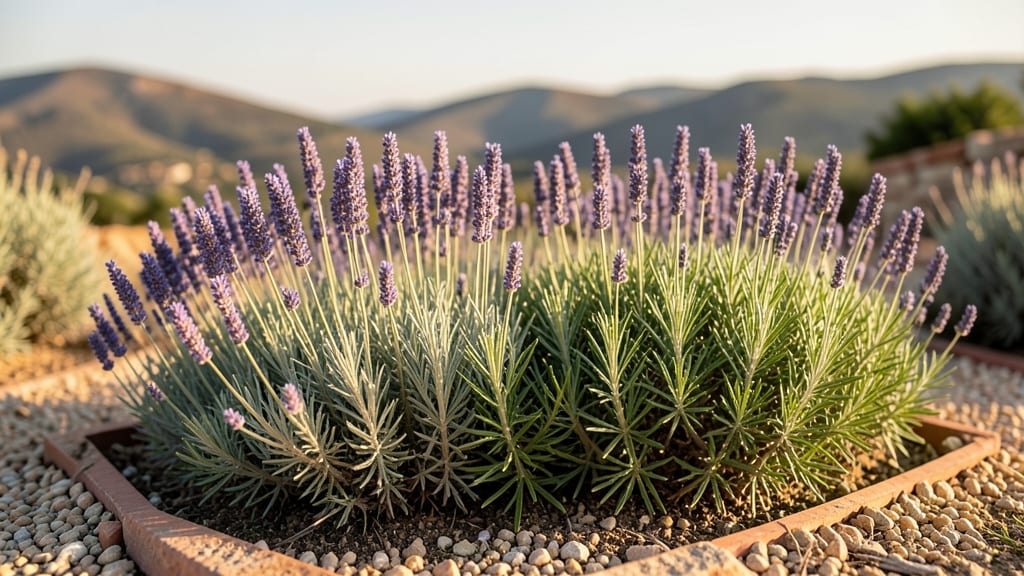
If you crave a garden that smells as good as it looks, lavender and rosemary are your power duo. This fragrant pair thrives in dry, poor soil while naturally repelling pests—no chemicals needed. Their silvery foliage adds a striking contrast to any Mediterranean-inspired bed.
Plant lavender in well-drained soil with 6 hours of sun for those iconic purple spikes, while rosemary’s needle-like branches create soft texture. Both are drought-tolerant once established, making them perfect for water-wise gardens. Prune lavender after blooming to encourage bushier growth, and harvest rosemary stems for cooking or bouquets.
This combination is ideal for gardeners in hot, dry climates or those seeking low-maintenance beauty. The aromatic foliage also deters deer and rabbits, giving you peace of mind. 🌿
Spring Bulb Combo With Tulips And Daffodils
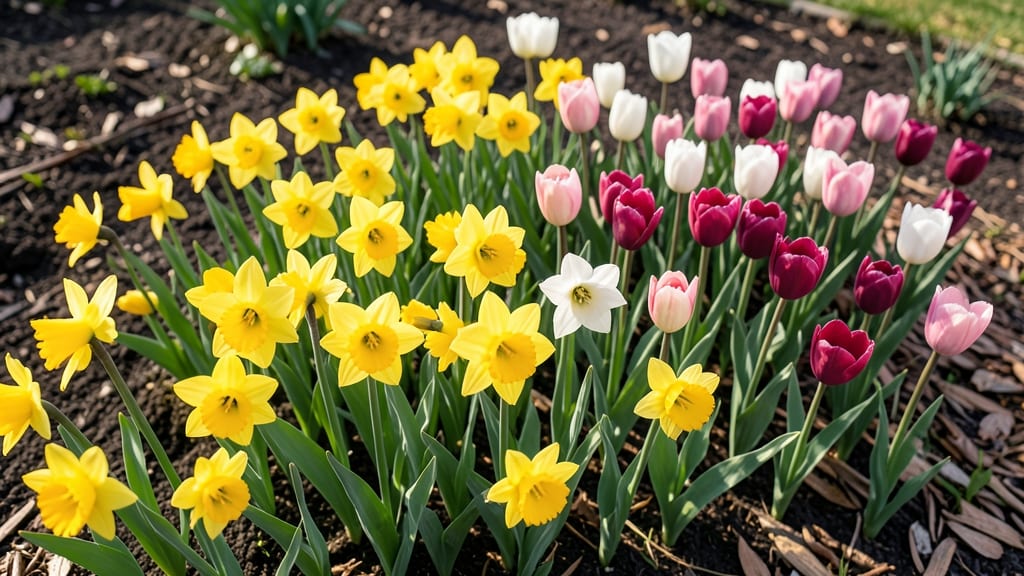
Tired of bare winter beds? This spring bulb combo of tulips and daffodils brings instant color while filling those empty spaces. The secret lies in planting them in layers—daffodils first (they bloom earlier) followed by tulips—to create a cascading effect that keeps your garden lively from late winter through spring.
Start by planting daffodils (6-inch depth) in October or November, then add tulips (4-6 inches deep) in November or early December. Both thrive in full sun to partial shade and well-draining soil, making them ideal for beginners. For extra drama, mix heights—tall darwin hybrid tulips (24-28 inches) with shorter daffodil varieties (12-18 inches) to create visual interest.
This combo is perfect for gardeners who want low-maintenance beauty with minimal upkeep. Plus, daffodils’ deer resistance makes them a smart choice for rural areas. Watch your winter beds transform into a springtime showstopper! 🌷
Butterfly Magnet With Coneflowers And Bee Balm
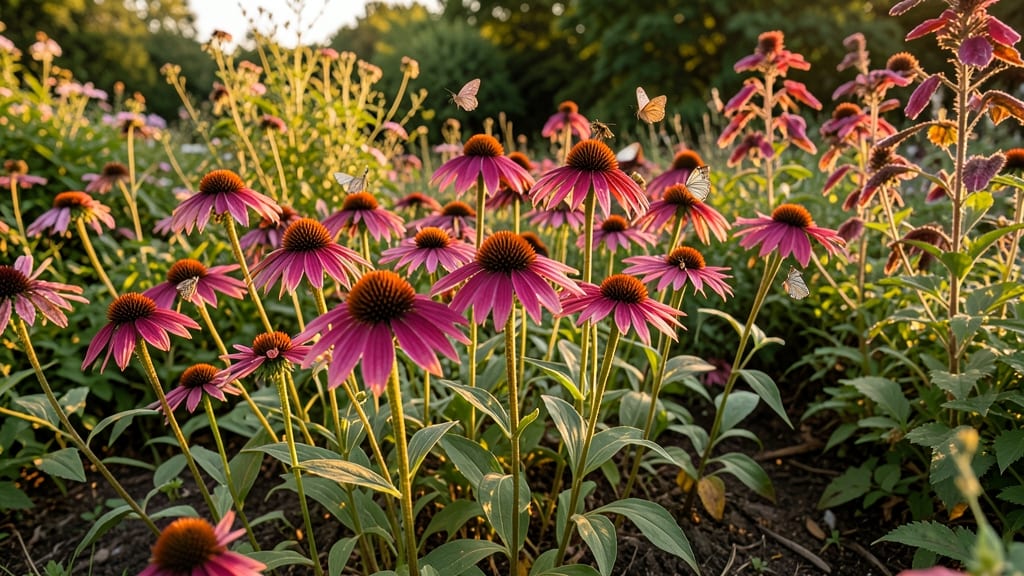
Watch your garden transform into a buzzing, fluttering paradise with coneflowers and bee balm—two native perennials that double as pollinator magnets. These hardy plants thrive in average soil and full sun, making them perfect for gardeners who want beauty without fuss.
Coneflowers’ sturdy stems and daisy-like blooms provide structure, while bee balm’s vibrant red or pink flowers lure butterflies and bees from early summer through fall. Both plants are drought-tolerant once established, and their long bloom times ensure your garden stays lively. Plus, their deep roots suppress weeds naturally.
This combo is ideal for eco-conscious gardeners or anyone who wants to support local wildlife. Plant them together in clusters for maximum impact—your garden will be teeming with pollinators in no time. 🌻
Winter Interest With Ornamental Grasses And Sedum
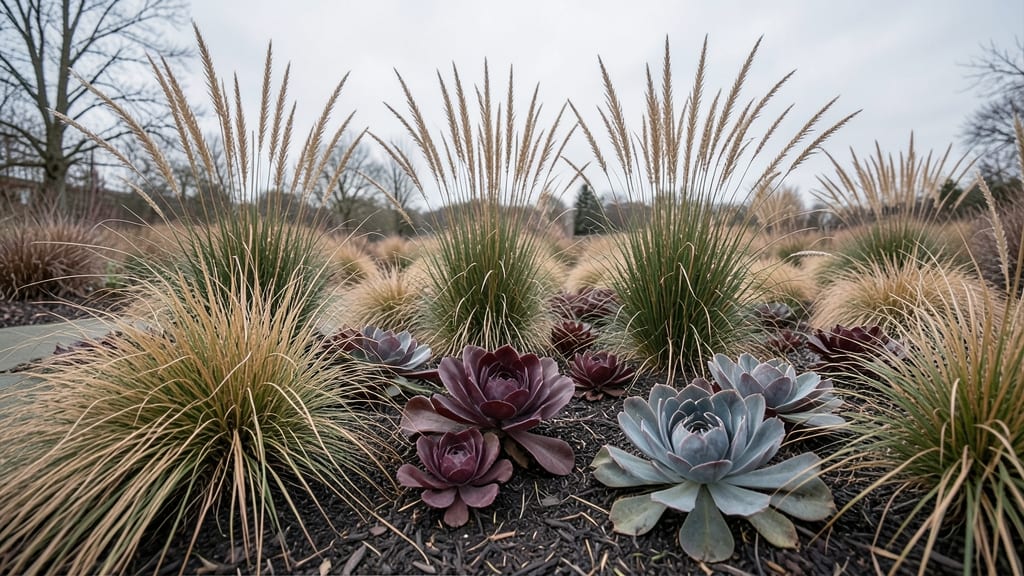
When winter strips most plants bare, ornamental grasses and sedum become your garden’s unsung heroes. Their architectural forms and subtle hues transform bare beds into textured, winter-ready canvases—no fuss, no flowers needed.
Start with deer-resistant grasses like Miscanthus or Panicum for movement and height, then layer in sedum varieties like ‘Autumn Joy’ or ‘Dragon’s Blood’ for plump, jewel-toned stems. Both thrive on zero summer watering once established, making them perfect for drought-prone areas. Prune grasses in late winter to reveal fresh growth, and leave sedum stems for winter interest.
This combo is ideal for gardeners who want year-round structure without the upkeep. Even in frost, their forms add dimension—proof that winter beds can be just as stunning as summer ones. 🌿
Container-Friendly Petunias And Marigolds
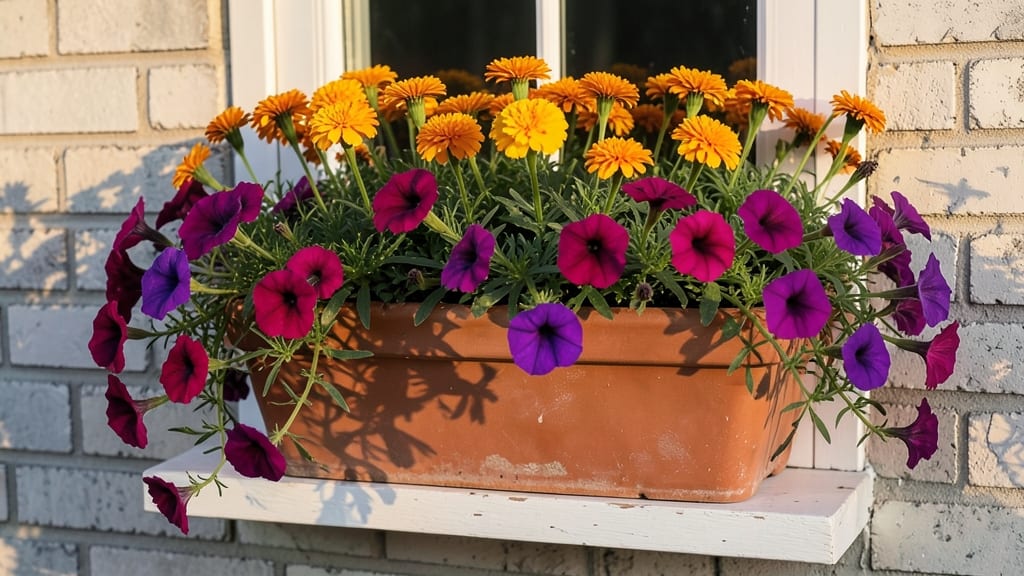
Tired of bare containers or window boxes that fizzle out by midsummer? Petunias and marigolds are the dynamic duo you’ve been missing—one spills over edges while the other works as a natural pest barrier, keeping aphids and mosquitoes at bay.
Plant trailing petunias at the edges of pots or window boxes, where their vibrant blooms will cascade like a living waterfall. Tuck marigolds in the center—their golden or orange flowers not only add height but release compounds that repel pests, protecting your herbs or veggies if planted nearby. Both thrive in full sun and bloom continuously from spring to frost with minimal deadheading.
This combo is ideal for urban gardeners, balcony dwellers, or anyone with limited space—no formal garden required. Just add a balanced potting mix, water when the top inch feels dry, and enjoy year-round color with almost no effort. 🌻
Low-Growing Creeping Thyme And Alyssum
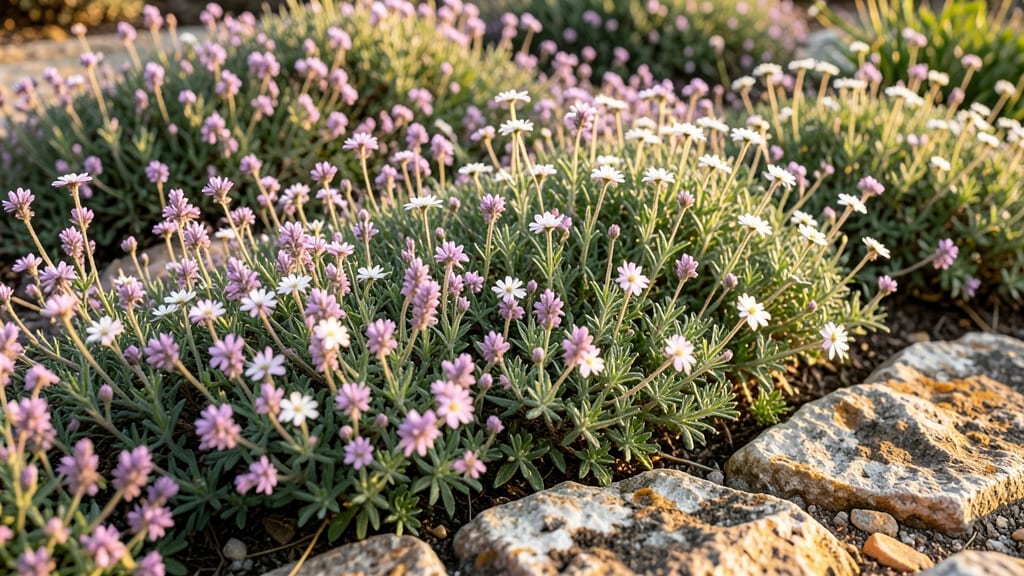
Tired of battling weeds in your flower beds? Creeping thyme and alyssum create a fragrant, living mulch that crowds out invaders while adding delicate beauty. This dynamic duo thrives in rocky, poor soil where most plants struggle, making it perfect for slopes or areas with challenging terrain.
Plant creeping thyme in sun-drenched spots—it spreads quickly to form a lush carpet with minty-scented leaves that repel pests. Tuck alyssum nearby for its tiny white blooms that cascade like confetti, creating a stunning contrast. Both require minimal water once established, making them ideal for low-maintenance gardens.
This pairing is especially great for gardeners with sloped yards or rocky borders, as it stabilizes soil while adding year-round interest. The aromatic thyme even deters rabbits—nature’s pest control! 🌿
Late-Season Joy With Asters And Goldenrod
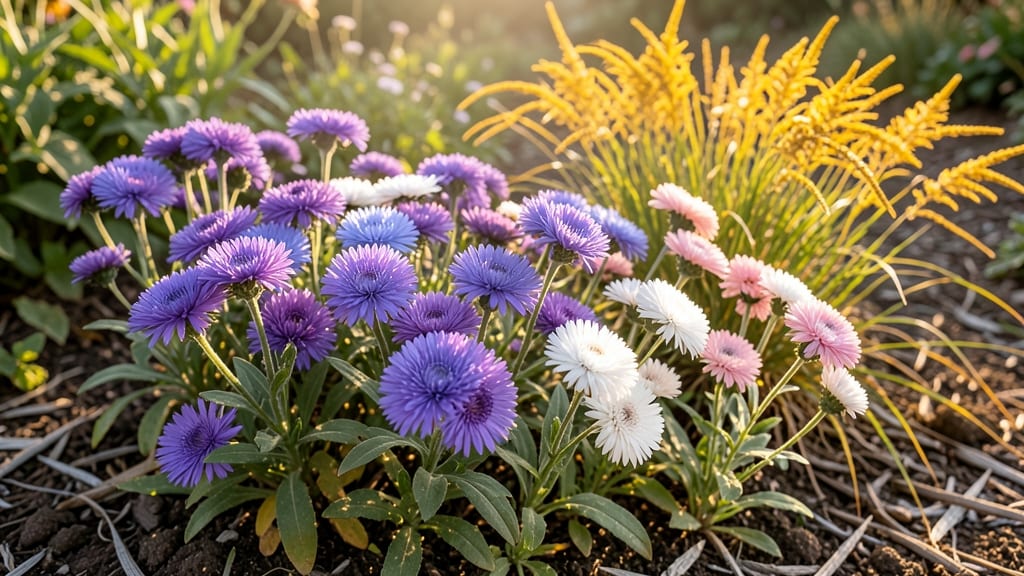
When summer starts to fade and your garden feels like it’s winding down, asters and goldenrod step in to steal the show. These late-season stars burst with color just as temperatures drop, turning your flower bed into a buzzing, cheerful haven for pollinators.
Plant asters in full sun to partial shade for their signature daisy-like blooms in shades of purple, pink, and white. Pair them with goldenrod, whose bright yellow spikes add height and contrast. Both thrive in average soil and require minimal care—just deadhead spent blooms to encourage more flowers. This combo is perfect for extending your garden’s life well into fall.
Gardeners who love wildlife-friendly spaces will adore this pairing, as it supports bees and butterflies when few other flowers are blooming. 🌟
Cutting Garden Mix With Snapdragons And Zinnias

If you crave fresh bouquets that last for weeks, this cutting garden mix delivers effortless beauty straight from your yard. Snapdragons and zinnias are the ultimate duo for long-stemmed blooms, with snapdragons reaching 2-3 feet tall to create vertical drama while zinnias burst with bold, dinner-plate-sized blooms in every color.
Plant them in full sun with well-draining soil, and you’ll enjoy continuous blooms from early summer through fall. Deadhead spent blooms to encourage more flowers, and harvest stems in the morning when they’re at their freshest. This combination thrives in USDA zones 7-11 and attracts pollinators while providing endless bouquet material.
Perfect for gardeners who love fresh-cut flowers but hate the upkeep of a traditional cutting garden—just snip and enjoy! 🌻