
Flowers
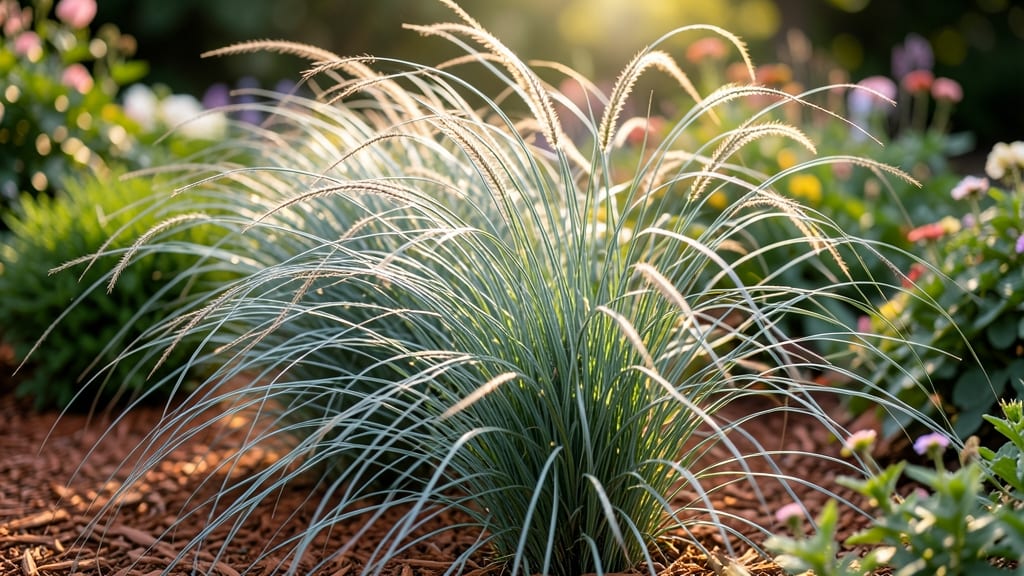
Struggling to keep your flower beds vibrant all year? These 10 pollinator-friendly fillers provide seasonal color, low-maintenance growth, and essential support for bees and butterflies—perfect for gardeners who want beauty without the fuss.
Heuchera Coral Bells For Textured Ground Cover
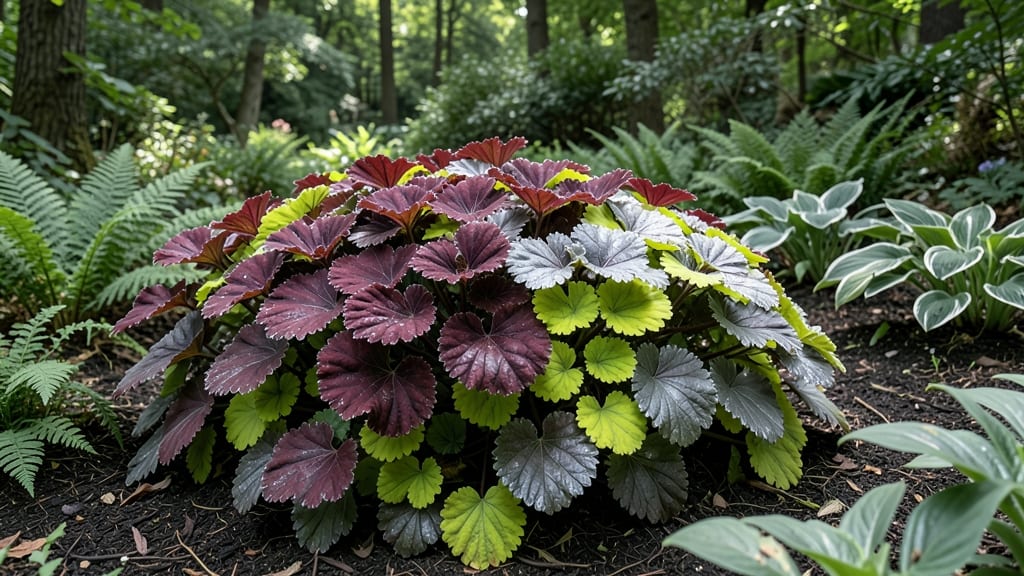
Tired of dull, boring shade spots in your garden? Heuchera Coral Bells transforms shady areas into vibrant, textured masterpieces with foliage that pops in burgundy, lime, or silver—and stays stunning even when other plants fade.
These hardy perennials thrive in partial to full shade, making them perfect for under trees or north-facing beds. Their ruffled leaves add depth to flower beds, while delicate spring blooms offer a subtle floral bonus. Once established, they’re nearly maintenance-free, surviving drought and retaining color through winter.
Ideal for beginners or urban gardeners with limited sunlight, Coral Bells bring year-round interest with zero fuss. Just plant, water occasionally, and enjoy the show! 🌿
Lavender Spikes For Fragrant Pollinator Magnet
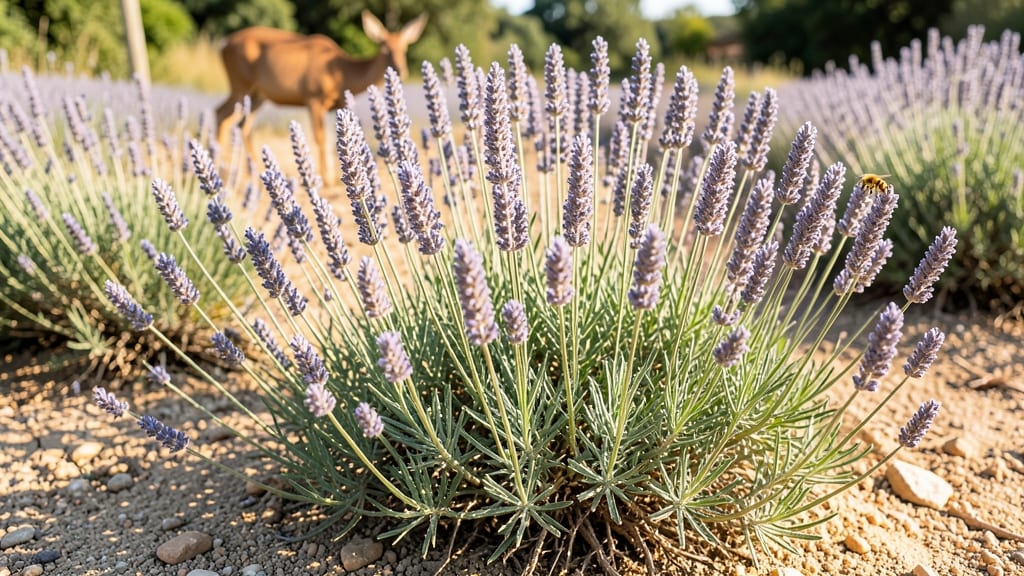
If your flower bed needs a fragrant, low-maintenance upgrade, lavender spikes are the ultimate multi-tasker. These drought-resistant perennials thrive in full sun, repel pests like mosquitoes and deer, and pack a punch with their silvery-blue blooms that bees adore.
Plant them in well-draining soil and space 12-18 inches apart for optimal airflow. Once established, lavender requires almost no watering—just trim back woody stems in early spring to encourage fresh growth. Their year-round fragrance makes them ideal for sunny borders or container gardens.
Perfect for urban gardeners or busy homeowners, lavender spikes add color, scent, and pollinator power with minimal effort. 💚
Salvia Nemorosa For Long-Blooming Purple Blooms
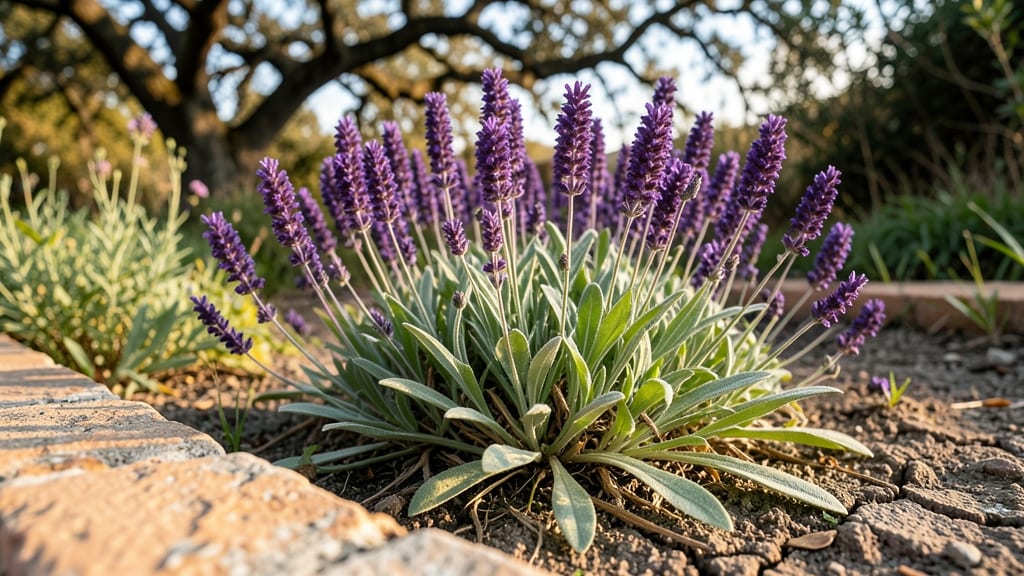
Tired of plants that demand perfect soil or constant attention? Salvia nemorosa delivers three months of purple blooms with almost no effort—even in poor soil where other plants struggle. This hardy perennial thrives in full sun to part shade and repels deer, making it ideal for low-maintenance gardens.
Plant Salvia nemorosa in early spring, spacing clumps 18-24 inches apart. Its vertical spikes create striking height contrast in flower beds, while the nectar-rich blooms fuel hummingbirds and butterflies from June through September. Shear back stems in late winter to encourage fresh growth—no fertilizing required.
Perfect for beginner gardeners or busy pollinator enthusiasts, this drought-tolerant beauty transforms underperforming areas into vibrant wildlife havens with minimal upkeep. 🌻
Sedum Autumn Joy For Late-Season Color
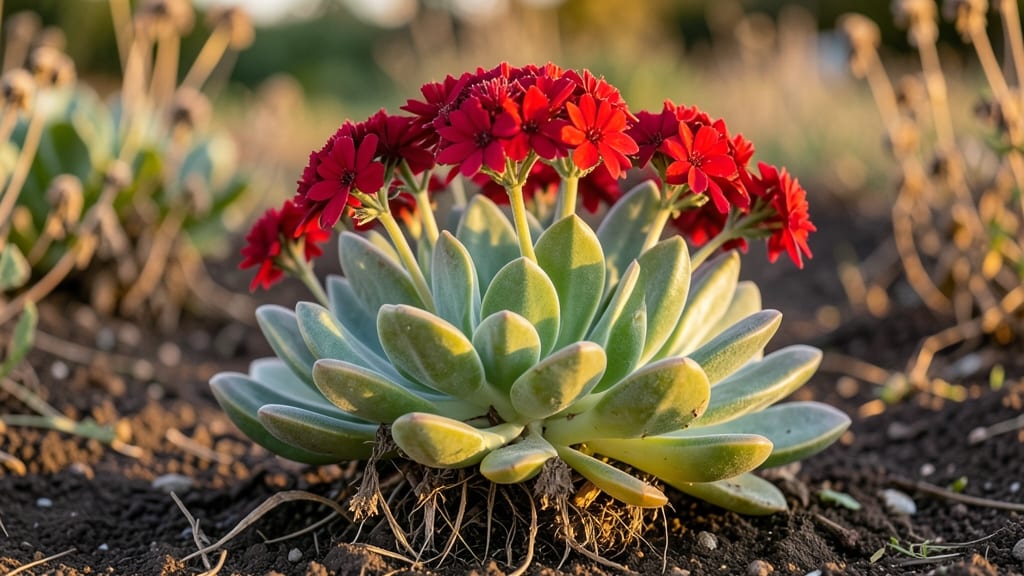
When summer blooms start fading and your garden looks tired, Sedum Autumn Joy steps in like a dramatic stage performer—transforming from green to a stunning fiery red as fall arrives. This succulent-like perennial thrives where others struggle, demanding almost no maintenance once established.
Plant it in full sun to part shade, and watch it spread into a lush, drought-tolerant mat that requires zero watering after the first year. The thick, fleshy leaves store water efficiently, while its late-season blooms provide critical nectar for bees and butterflies when food sources dwindle. Perfect for rock gardens, borders, or even container edges, it’s the ultimate low-effort, high-impact filler. 🌻
Catmint Walker’s Low For Drought-Proof Blue Flowers
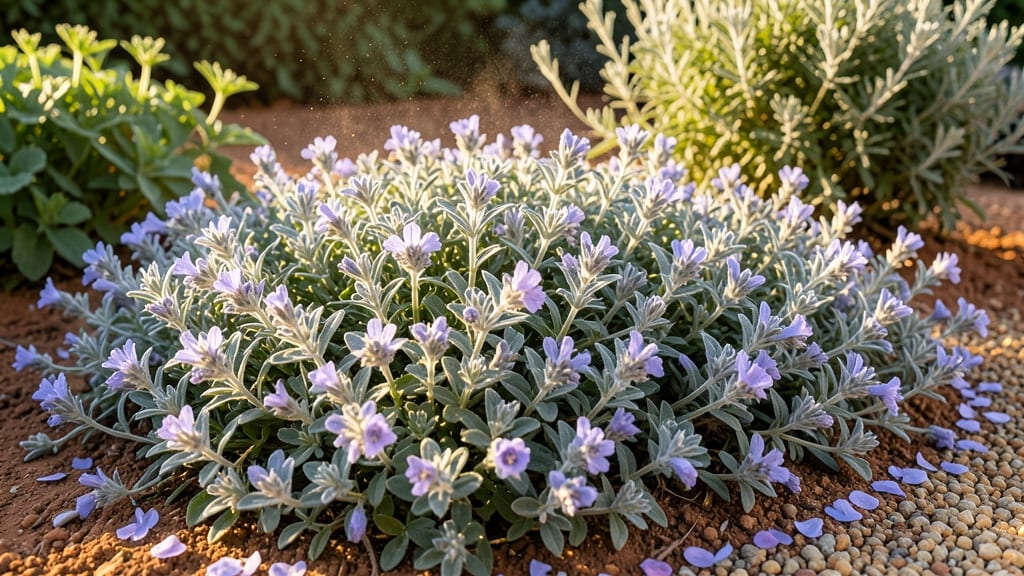
Tired of deer munching your flower beds or mosquitoes ruining your outdoor evenings? Catmint Walker’s Low solves both problems with its lavender-blue blooms that thrive in drought and self-seed for effortless renewal.
This hardy perennial thrives in full sun to partial shade and only needs occasional watering once established. The fuzzy, deer-resistant foliage deters browsers while the flowers attract bees and repel mosquitoes naturally. Simply cut back spent blooms in early fall to encourage next year’s growth.
Perfect for gardeners who want low-maintenance beauty without sacrificing pollinator support, this catmint variety keeps your beds vibrant all summer long. 🌿
Coreopsis Moonbeam For Golden Summer Sunshine
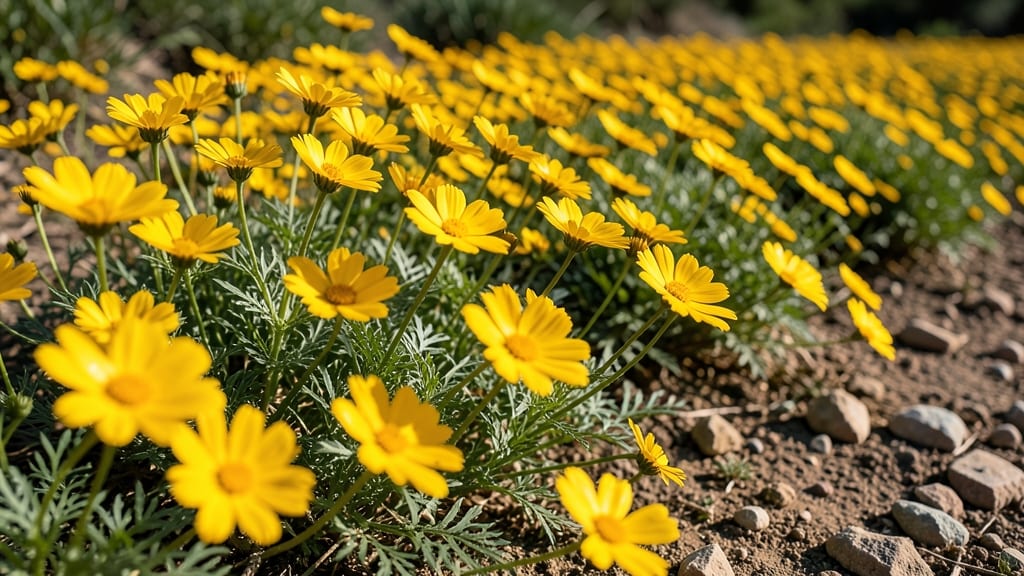
Tired of summer flower beds that wilt under the heat? Coreopsis Moonbeam is your sun-loving hero, delivering bright yellow daisies that thrive in full sun and even poor, rocky soil—no fuss required.
This hardy perennial blooms continuously from spring until frost, making it the perfect filler for sunny borders or cottage gardens. It’s also drought-tolerant once established, so you’ll spend less time watering and more time enjoying its cheerful display. Plus, its airy blooms attract butterflies, adding movement to your garden.
Ideal for beginners or busy gardeners, Coreopsis Moonbeam pairs beautifully with purple blooms like lavender or salvia for a striking contrast. Plant it in clusters for maximum impact! 🌻
Russian Sage For Airy Purple Mist Effect
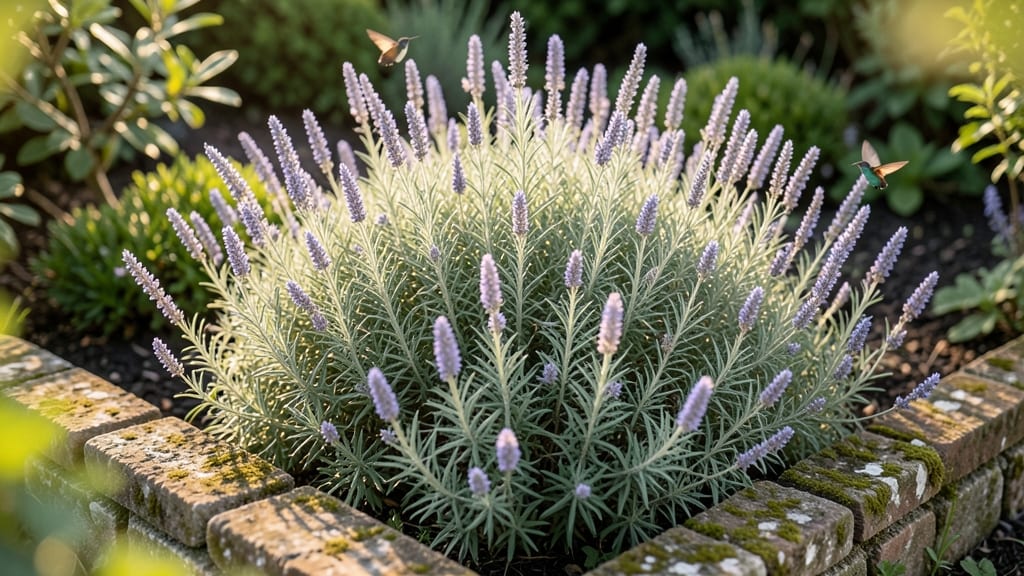
Want a flower bed that looks like it belongs in a dreamy cottage garden but requires almost no effort? Russian sage (Perovskia atriplicifolia) is your secret weapon—its airy, lavender-blue flower spikes create a soft, misty effect that softens harsher edges while attracting butterflies and hummingbirds.
This hardy perennial thrives in full sun to partial shade and tolerates dry, poor soil, making it ideal for water-wise gardens. Its silvery foliage adds texture year-round, and the blooms last from mid-summer to frost. Simply prune back in early spring to encourage bushier growth—no deadheading required!
Perfect for gardeners who love low-maintenance plants with high impact, Russian sage works beautifully as a backdrop for brighter annuals or as a standalone statement plant. 🌿
Sweet Alyssum For Early Spring Pollinator Boost
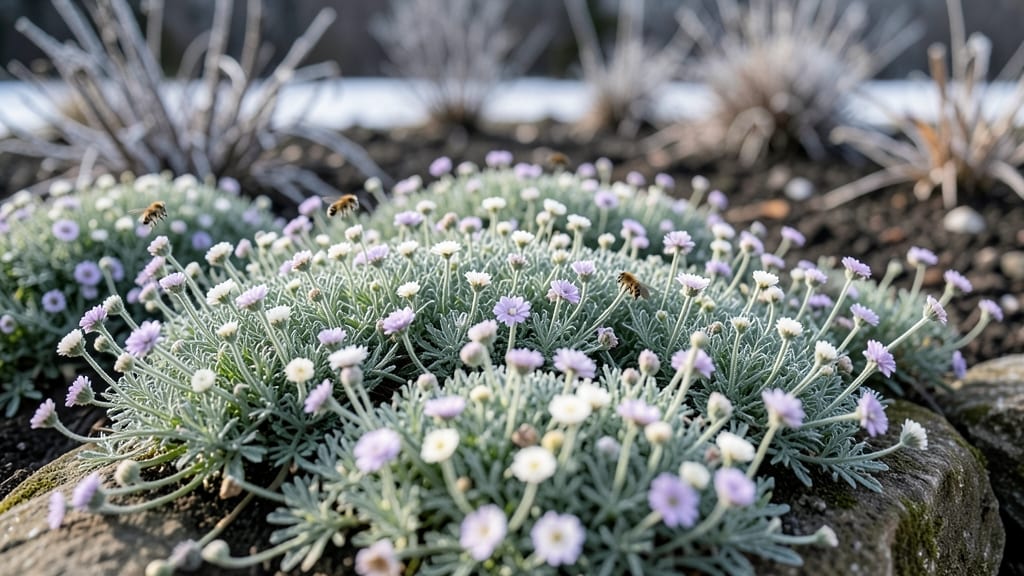
When late winter’s chill lingers and most gardens are still dormant, sweet alyssum bursts onto the scene like a fragrant surprise. This delicate annual thrives in cool weather, filling gaps with its tiny white or lavender flowers and a honey-like scent that draws bees before other pollinators even wake up.
Plant seeds directly in well-draining soil after the last frost or in containers for year-round blooms in mild climates. Alyssum’s sprawling habit makes it perfect for edging, window boxes, or cascading over walls—it self-seeds lightly, so you’ll get free fillers the following spring. A light trim after blooming encourages bushier growth and prolongs its cheerful display.
Ideal for beginners or urban gardeners with limited space, sweet alyssum proves that early spring beauty doesn’t require waiting. 🌱
Black-Eyed Susan For Classic Golden-Yellow Cheer
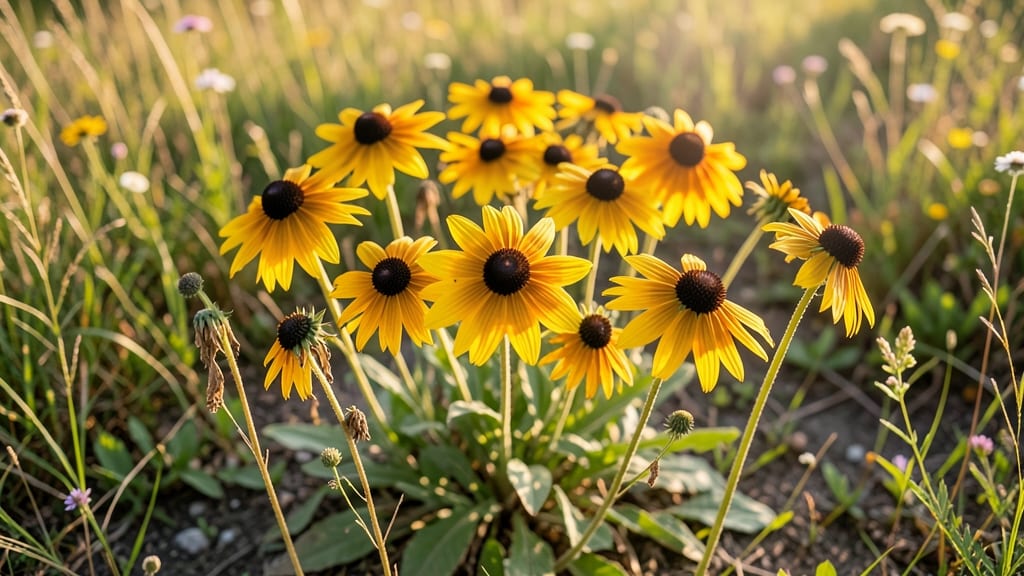
Want a low-maintenance golden-yellow stunner that blooms from summer straight through fall? Meet Black-Eyed Susan (Rudbeckia hirta), the native perennial that turns heads—and attracts bees—with its cheerful daisy-like flowers.
This hardy plant thrives in full sun and even tolerates poor soil, making it a dream for busy gardeners. Its self-seeding habit means fewer gaps in your flower beds year after year, while its drought-tolerant nature keeps it blooming even during dry spells. Simply deadhead spent blooms to encourage more flowers and watch your garden buzz with activity.
Black-Eyed Susan is perfect for beginner gardeners or anyone looking to add effortless color. Plant it in mass for a golden meadow effect or mix it with other pollinator-friendly fillers for a vibrant, buzzing garden. 🌻
Ornamental Grass Fountain Grass For Movement And Texture

Bring life to your flower bed with fountain grass (Pennisetum alopecuroides), the ultimate textural filler that dances in the breeze and keeps interest high even when other plants fade. Unlike rigid shrubs or static flowers, its arching plumes sway with the wind, creating a mesmerizing movement that adds depth and rhythm to any garden space.
This drought-tolerant grass thrives in poor, rocky soil where many fillers struggle, making it ideal for urban gardens or neglected corners. Plant it in clusters for a dramatic effect, or tuck single stems among perennials for vertical interest. Its winter plumes provide structure when most gardens go dormant, while its feathery blooms attract beneficial insects year-round.
Perfect for beginners or busy gardeners, fountain grass requires almost no maintenance—just occasional trimming to control its spread. It’s especially magical in late summer when its golden hues contrast beautifully with fading annuals. 🌻