
Flowers
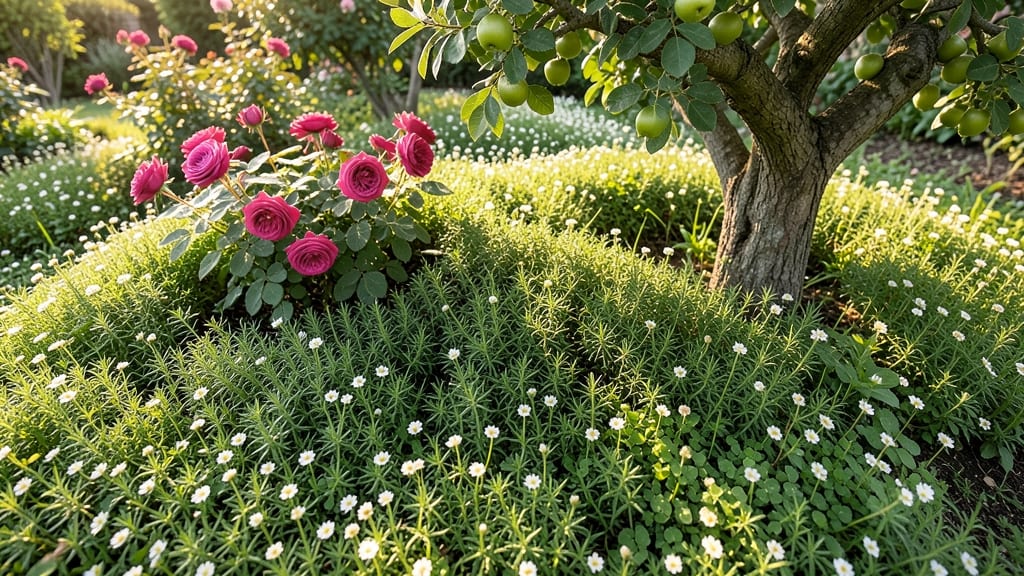
Protecting your flower beds from harsh weather and pests doesn’t have to mean sacrificing beauty. These 10 season-long coverings shield plants while enhancing aesthetics, extending bloom cycles, and simplifying garden maintenance—ideal for both novice and experienced gardeners.
Floating Row Cover Fabric for Delicate Blooms
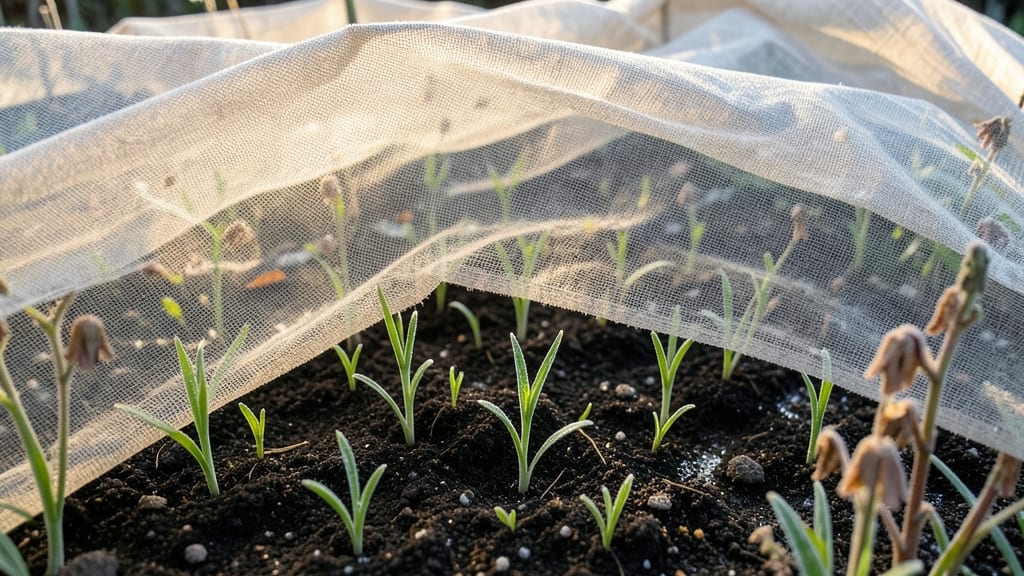
When early spring frost threatens your tender seedlings or late fall blooms need extra protection, floating row cover fabric is your secret weapon. This lightweight, breathable material acts like a protective blanket—shielding plants from light frost and pests while still allowing sunlight, water, and air to reach them.
Made from spunbond polypropylene, this fabric blocks 60-70% of light while permitting rain and irrigation water to penetrate. It’s ideal for protecting delicate blooms like petunias, impatiens, or young roses during transitional seasons. Simply drape it over hoops or stakes and secure the edges with soil or weights.
Perfect for beginners or urban gardeners with limited space, this fabric extends your growing season without the hassle of greenhouses. 🌿
Burlap Mulch for Organic Pest Deterrence
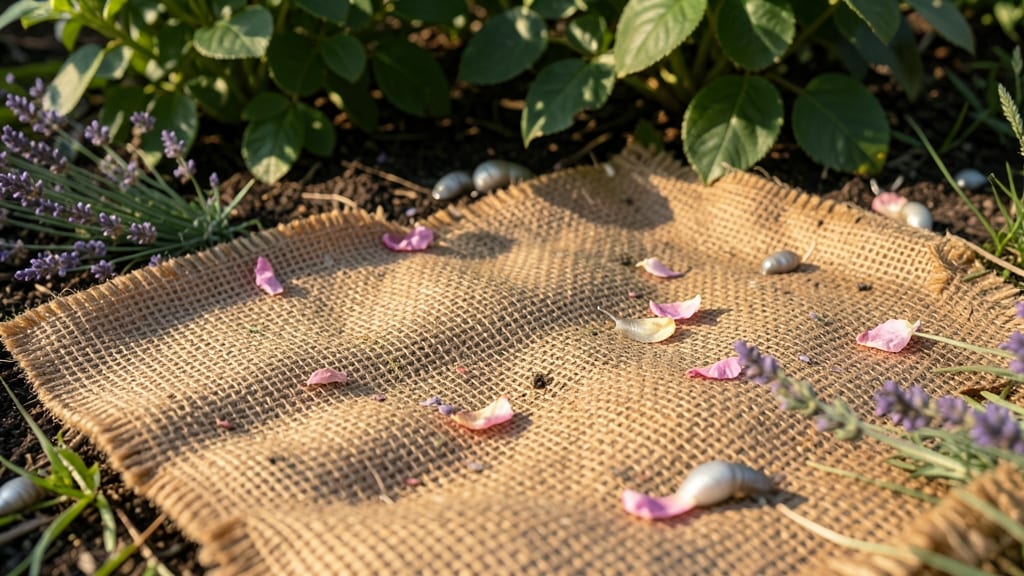
Tired of slugs and snails turning your lavender and roses into a buffet? Burlap mulch is your organic knight in rustic armor—it deters pests while breaking down to nourish your soil naturally. Unlike synthetic fabrics, burlap’s rough texture creates an unwelcoming barrier for slimy invaders, making it perfect for moisture-sensitive plants that hate soggy conditions.
Simply lay burlap sheets (2-3 inches thick) around plants or over bare soil in early spring or after rain. The material’s natural decomposition adds organic matter to the soil over time, improving texture and fertility. For best results, pair it with drought-tolerant companions like marigolds, whose strong scent repels pests further. It’s especially effective in organic gardens where chemical barriers are off-limits.
This low-cost, reusable option is ideal for gardeners who prioritize sustainability and simplicity. Just remember to replace it annually as it decomposes—your plants (and soil) will thank you! 🌱
Geotextile Landscape Fabric for Weed Blocking
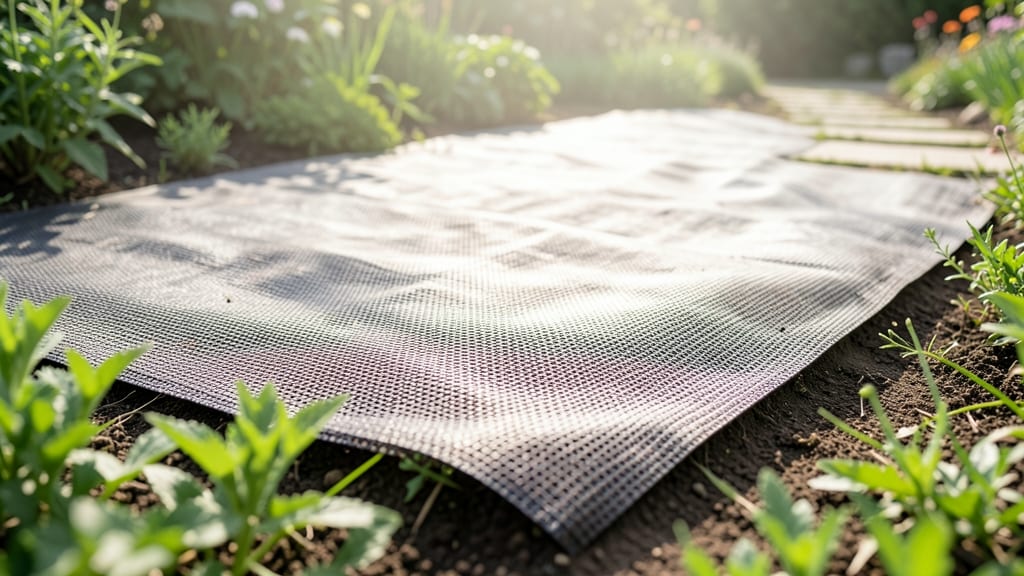
Tired of battling weeds in your perennial beds or high-traffic garden areas? Geotextile landscape fabric is the heavy-duty solution that blocks weeds without suffocating your plants. Unlike plastic or thick mulch, this permeable fabric lets water and air reach roots while creating an impenetrable barrier for weeds.
Made from woven synthetic fibers, it’s durable enough for pathways or garden beds that see frequent foot traffic. Simply lay it over bare soil before planting perennials, securing edges with landscape staples. The fabric’s 5-10 year lifespan makes it cost-effective for long-term weed control, and its neutral color blends seamlessly into any garden design.
Perfect for gardeners who want low-maintenance beds, this fabric is especially useful in perennial gardens or along walkways where weeds thrive but plants need room to grow. 🌿
Straw Mulch for Moisture Retention and Insulation
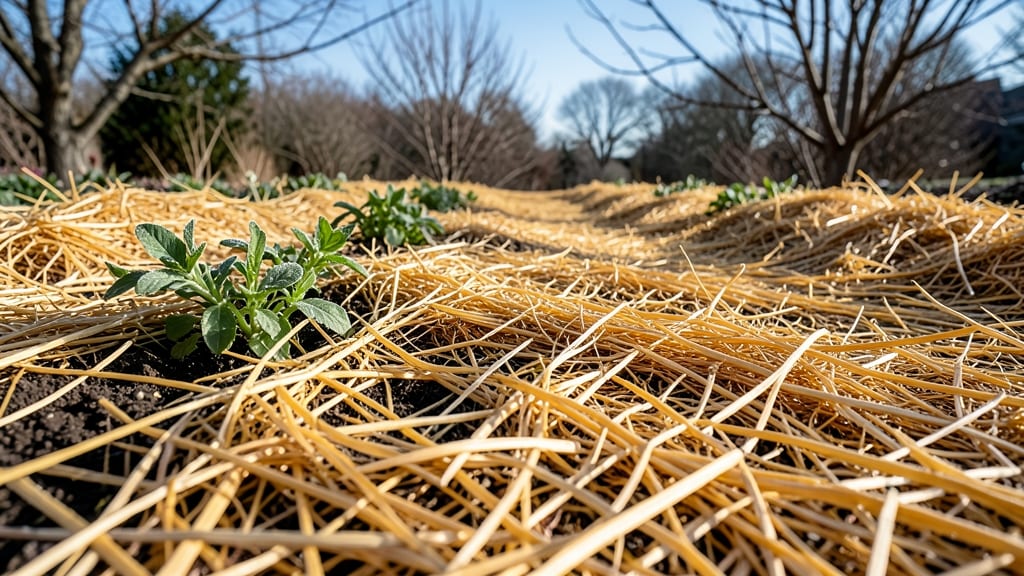
Tired of watching your shallow-rooted annuals wilt in drought or freeze under winter’s chill? Straw mulch is your secret weapon—a budget-friendly, all-season shield that keeps roots cozy while locking in moisture. Unlike synthetic fabrics, straw breaks down naturally, improving soil structure over time while protecting delicate bloomers like pansies and violas.
Spread a 3-4 inch layer of straw after planting to create a thermal blanket that moderates soil temps year-round. In drought-prone zones, this simple step can cut watering needs by up to 50%, while in winter, it shields tender roots from freeze-thaw cycles. Just avoid piling straw against stems to prevent rot—keep it 2 inches away from plant bases for airflow.
This is the go-to choice for gardeners in hot, dry climates or those with limited budgets, offering both practicality and a rustic charm. Perfect for beginners or seasoned growers who want low-maintenance protection. 🌱
Clear Plastic Mulch for Heat-Loving Flowers
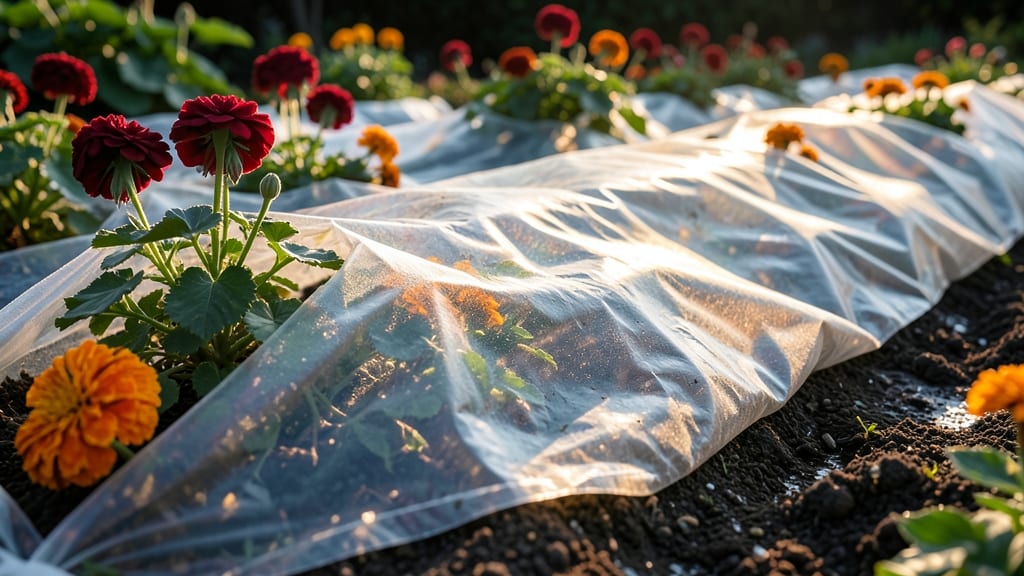
If your geraniums and marigolds struggle in cooler climates, clear plastic mulch is your secret weapon. This lightweight, translucent barrier transforms your flower bed into a greenhouse, trapping warmth to kickstart growth weeks earlier than usual—ideal for sun-loving annuals.
Lay the plastic over the soil before planting, leaving edges slightly buried to prevent wind lift. The mulch suppresses weeds by blocking light while allowing rainwater to penetrate, and its heat-trapping properties reduce watering needs by up to 30% in hot climates. For best results, pair it with drought-tolerant varieties like zinnias or lantana.
This low-cost solution is perfect for container gardens, raised beds, or urban plots where space (and heat) are limited. Just remember to remove it before winter to avoid overheating roots. 🌻
Landscape Fabric with Holes for Perennial Beds
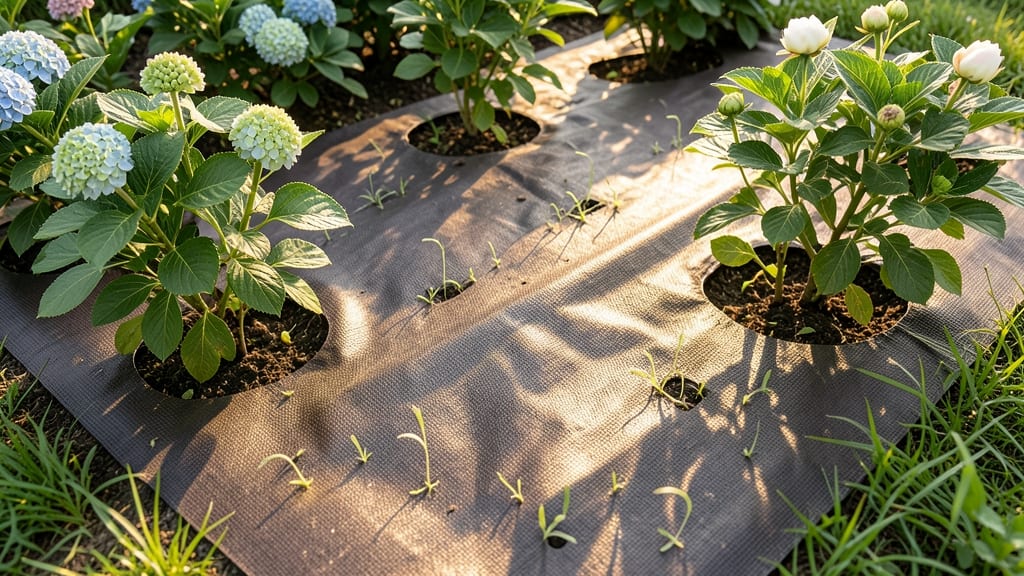
Tired of battling weeds in your perennial beds while keeping your prized plants like hydrangeas and peonies thriving? Landscape fabric with pre-cut holes is your game-changer—it blocks weeds without smothering your established plants.
This fabric features strategically placed holes that match your perennials' root zones, allowing them to grow undisturbed while suppressing weeds between plants. Choose a fabric with UV-stabilized fibers to prevent degradation, and pair it with 2-3 inches of mulch for extra weed control. It’s ideal for borders, foundation plantings, or any area where you want a polished look with minimal upkeep.
Perfect for gardeners who love low-maintenance designs, this fabric keeps your beds looking neat year-round while protecting soil moisture and reducing hand-pulling. 🌿
Coconut Coir Mats for Erosion Control
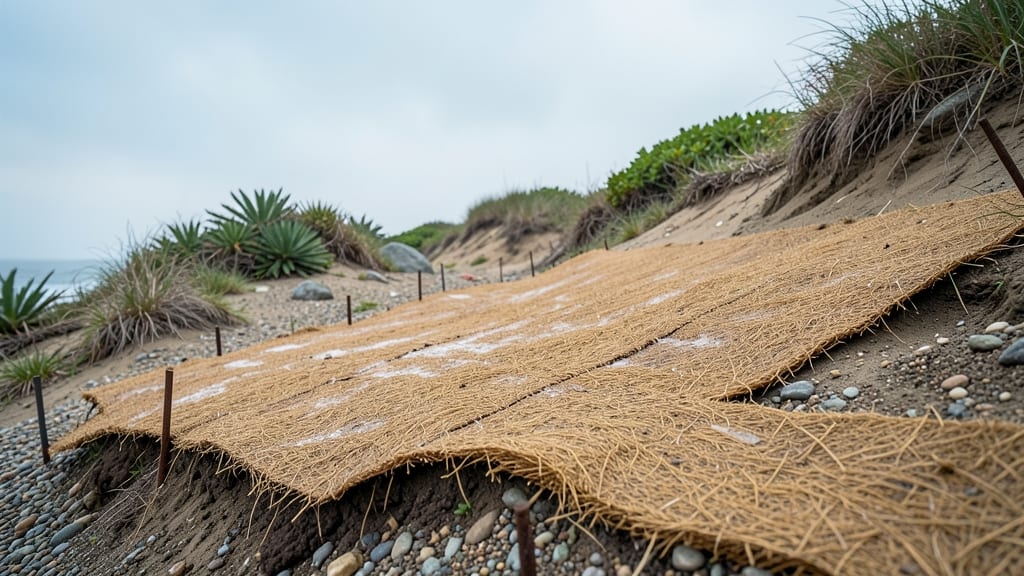
Struggling with soil erosion on your sloped garden or coastal plot? Coconut coir mats are the eco-friendly solution you’ve been searching for. Made from compressed coconut husks, these biodegradable mats lock soil in place while allowing water and nutrients to seep through—perfect for steep terrain or windy coastal gardens where traditional mulch would wash away.
Unlike plastic erosion control blankets, coir mats break down naturally over 1-2 years, enriching the soil with organic matter as they decompose. They’re especially effective for newly planted perennials or annuals like daylilies or salvia, which need stable ground to thrive. Simply lay the mat over bare soil, secure the edges with stakes, and watch it transform unstable slopes into lush, erosion-free garden spaces.
Coastal gardeners and urban plot owners with limited flat space will love how these mats blend seamlessly into natural landscapes while doing the heavy lifting of soil stabilization. 🌿
Black Plastic Mulch for Weed Suppression
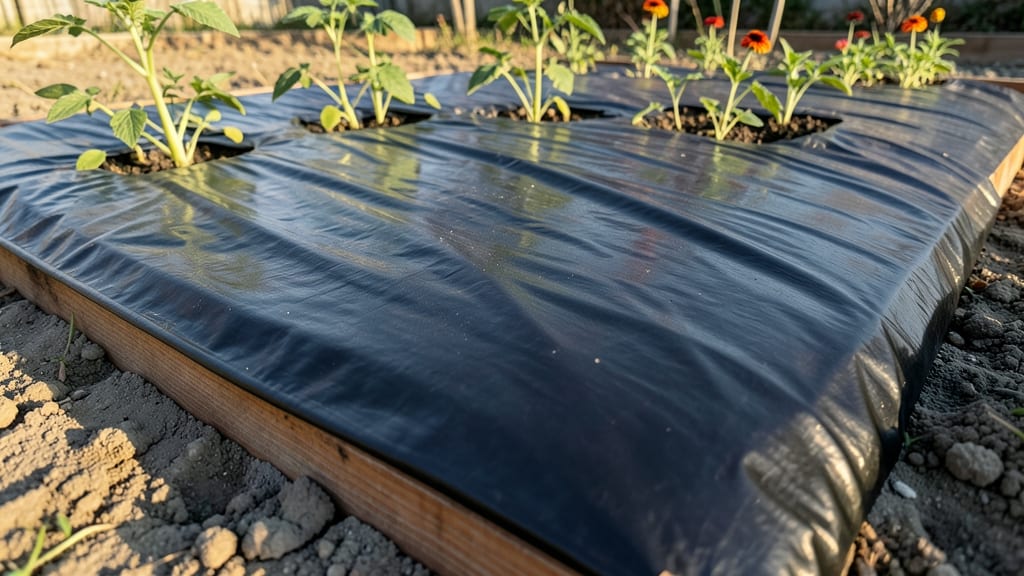
Want to jumpstart your spring garden while keeping weeds at bay? Black plastic mulch is your secret weapon—it absorbs sunlight to warm the soil faster than bare ground, giving heat-loving plants like zinnias and tomatoes an early boost. The dark surface also blocks light, effectively starving weeds before they sprout.
Lay the mulch 4-6 weeks before planting to maximize soil warming. For flowers, remove it once blooms emerge to avoid overheating roots. Pair it with drip irrigation to prevent moisture loss through evaporation. Urban gardeners will love how it transforms messy beds into tidy, high-performing spaces with minimal effort.
This is the go-to choice for gardeners who want faster growth without the hassle of weeding—ideal for small spaces or containers where weeds compete fiercely. 🌻
Decorative Garden Fabric for Aesthetic Protection
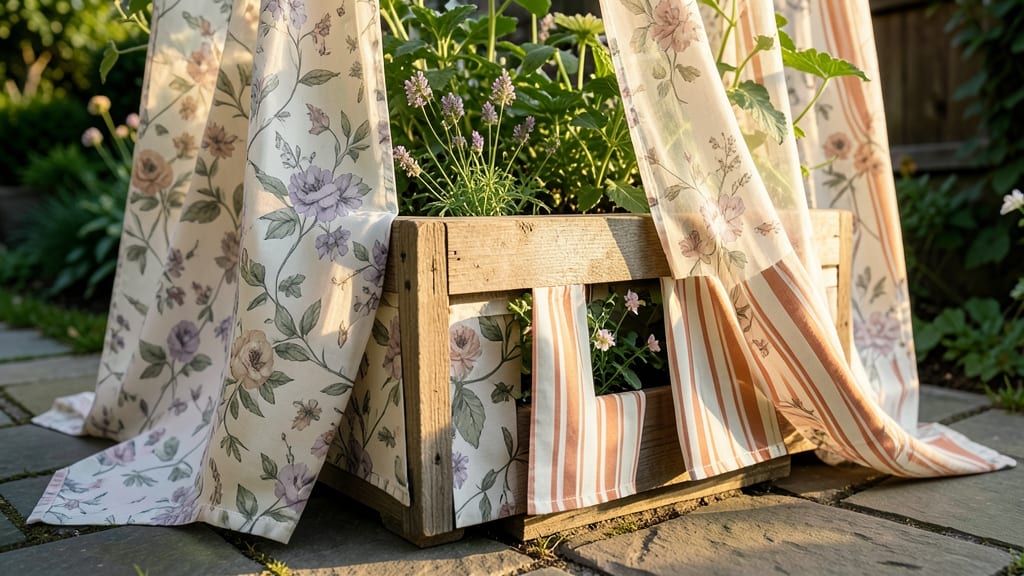
Tired of choosing between ugly protective coverings and leaving your plants exposed? Decorative garden fabric lets you have both—style and protection. These lightweight, patterned fabrics (think floral, striped, or geometric designs) drape elegantly over containers, window boxes, or borders while shielding plants from light frost, wind, and pests without blocking sunlight.
Look for breathable polyester or cotton blends with UV protection to prevent fading. Secure edges with landscape staples or decorative clips for a polished look, and remove during peak sun hours to avoid overheating tender foliage. This option is perfect for urban balconies, patio planters, or cottage-style gardens where aesthetics matter as much as plant health.
Urban gardeners and small-space growers will love how this fabric elevates their garden’s curb appeal while keeping plants safe. It’s the ideal solution for seasonal transitions—use it in spring to protect seedlings or in fall to extend blooms. ✨
Living Mulch with Clover or Creeper Plants

Skip the static mulches—living mulch turns your flower beds into a self-sustaining ecosystem! Planting clover or creeping plants like thyme between roses or fruit trees creates a lush, weed-blocking carpet that also feeds your soil with nitrogen-fixing benefits.
This organic approach thrives in full sun to partial shade, suppressing weeds naturally while improving soil structure over time. Unlike synthetic coverings, living mulch grows with your plants, offering year-round protection without smothering roots. It’s especially valuable for organic gardeners or those with long-term plantings that need consistent care.
Perfect for gardeners who want to reduce maintenance while boosting soil health—just mow or trim occasionally to keep it tidy. Your plants will thank you with stronger growth and fewer pests! 🌿