
Pests
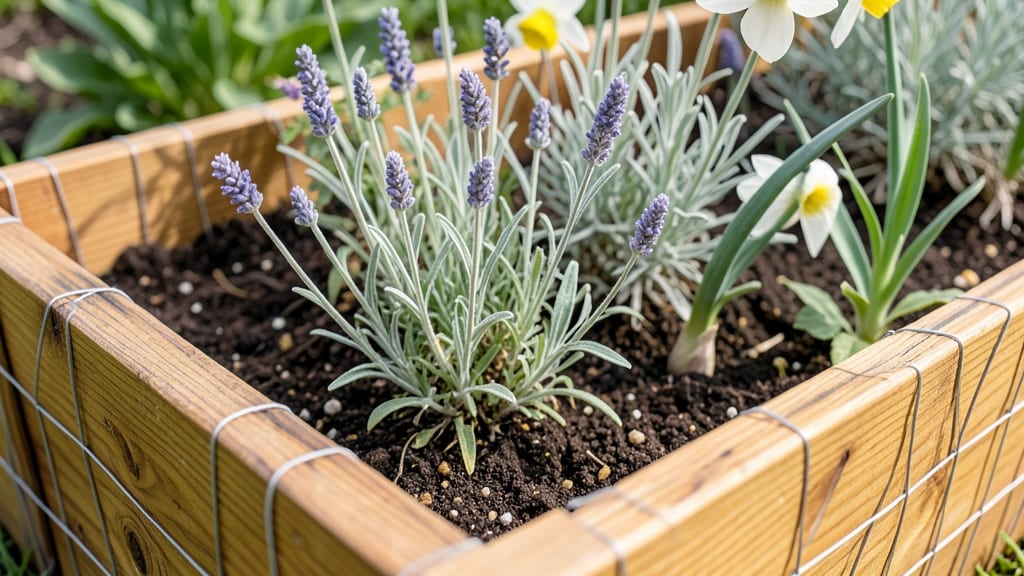
My first deer-proof raised garden bed plans saved my tomatoes from becoming deer snacks—and it took just a weekend to build. 🌱 The secret is a predator-blocking perimeter that deer can’t jump over or paw through, while still letting you tend your plants easily.
No fancy materials needed, just sturdy lumber and some clever assembly tricks that make it last for years.
You’ll need 2x4 lumber, hardware cloth, and corner brackets—everything available at any hardware store. The key is building the frame at least 3 feet high (deer can jump that!) and attaching 1-inch hardware cloth to the outside to block their noses from reaching in.
I’ve included a simple assembly method that keeps costs under $150 for a 4x8-foot bed, with no power tools required.
Once it’s up, you’ll notice fewer chewed leaves and more thriving plants—my peppers went from half-eaten to fully productive in one season. The best part? The design blends into your yard so it doesn’t look like a fortress.
Just add deer-resistant plants like marigolds or lavender along the edges, and you’ve got both beauty and protection.
Perfect for small spaces, urban gardens, or rural plots where deer are a problem. The same principles work for vegetable beds, herb gardens, or even flower borders. Let’s get your garden back from those four-legged thieves!
📚 In This Guide
- What you need
- Instructions
- Tips and common mistakes
- Wrapping up and next steps
What you need
- ● Lumber: 2x6 or 2x8 pressure-treated or cedar boards (rot-resistant) – 8–12 pieces, 8 ft long (adjust based on bed size).
- ● Hardware cloth: ¼-inch or ½-inch mesh (deer can’t chew through it!) – enough to cover the perimeter (e.g., 10 ft x 4 ft for a 4’x8’ bed).
- ● Exterior screws: 2.5-inch deck screws (galvanized or stainless steel) – 50–100 screws.
- ○ Corrugated metal roofing: 24-inch wide (optional but highly recommended for extra deterrence) – 1–2 sheets.
- ● Landscape fabric: Heavy-duty (to block weeds and burrowing pests) – 1 roll.
- ○ Gravel or pebbles: For drainage and weight (optional but helpful) – 5–10 lbs.
- ● Circular saw or handsaw
- ● Drill/driver
- ● Measuring tape
- ● Level
- ● Staple gun (for hardware cloth)
- ● Pliers (for bending hardware cloth)
- ● Work gloves (trust me, you’ll thank me later)
- ● A flat, level spot in your yard (sunlight is key!).
- ● Basic woodworking skills (or a friend who’s handy!).
- ● Time to assemble (plan for 2–4 hours depending on size).
- ○ Optional: A helper for lifting heavy materials!
Simple assembly guide for deer-proof raised garden beds
Here's how to build a sturdy perimeter that keeps deer out without sacrificing aesthetics or ease.
🪴 Step 1: Design and Measure Your Bed Layout
Sketch your garden bed dimensions on paper first. I like to keep mine 4 feet wide for easy reach from all sides—any wider and you'll struggle to tend the center. For a 4-foot-wide by 8-foot-long bed (a common size), you'll need four 4-foot-long side panels and two 8-foot-long end panels.
Mark the perimeter with stakes and string to visualize the space before cutting materials. This prevents costly mistakes like uneven corners or panels that don't meet properly. Measure twice, cut once—especially with pressure-treated lumber, which doesn't bend for second chances.
🌱 Step 2: Build the Predator-Blocking Frame
Use 2x6 pressure-treated lumber for the frame's outer edges, as it resists rot and lasts decades. Assemble the frame with 3-inch deck screws at each corner, pre-drilling holes to prevent splitting. The frame should stand 12-18 inches tall—tall enough to deter deer from jumping over but not so high it blocks sunlight.
For extra security, add horizontal slats every 6 inches between the frame's vertical supports. Deer can push through gaps wider than their heads, so keep spacing tight. I like to use 1x4 boards for these slats—they're lightweight but strong enough to deter even determined browsers.
💧 Step 3: Install the Deer-Defense Perimeter
Wrap the entire frame with hardware cloth (1/4-inch mesh), securing it with staple guns or zip ties every 6 inches. The mesh should extend 6 inches below ground level to prevent digging predators from tunneling underneath. Bury the bottom edge in a trench or use landscape fabric to hold it in place.
For added protection, layer plastic bird netting over the top of the frame and secure it with clips. This creates a double barrier that deer can't easily bypass. Test the setup by gently pushing against the sides—if you can bend the frame inward, reinforce it with additional corner braces.
☀️ Step 4: Assemble and Fill the Raised Bed
Place the frame on level ground, adjusting as needed before filling. I like to use cedar mulch or landscape fabric at the base to suppress weeds and improve drainage. Fill the bed with a mix of topsoil, compost, and aged manure (about 12 inches deep) to create a rich growing medium.
Leave a 2-inch gap between the frame and the soil to allow for settling. Water the bed thoroughly after filling to help the soil compact naturally. This step ensures your plants have room to grow without the frame restricting their roots as they expand.
✂️ Step 5: Maintain and Monitor the Barrier
Check the hardware cloth and netting every 2-3 months for tears or gaps. Deer can develop new strategies for bypassing barriers, so stay vigilant. Replace damaged sections immediately—even a small hole can become an invitation for pests.
Keep the area around the bed clear of brush or tall grass, which can provide cover for deer. A well-maintained perimeter isn't just about the materials; it's about creating a clean, uninviting space that makes your garden less appealing to wildlife. With this setup, you'll enjoy a thriving garden without the constant threat of deer damage.
Tips & tricks for building a deer-proof raised garden bed
Between us, I've watched deer turn perfectly planned gardens into buffet zones—until I learned these game-changing tricks. These insights will help you avoid the most common pitfalls and build a system that actually works.
Material Selection: For Step 2, don't skimp on the 2x6 pressure-treated lumber—it's the only material that truly lasts. I've seen cedar frames rot within two seasons when exposed to moisture. If you're on a budget, consider using 1x4 boards for the horizontal slats instead of replacing the entire frame when they degrade. The key is maintaining that 6-inch spacing between slats to prevent deer from pushing through.
Barrier Installation: In Step 3, when you're securing the hardware cloth, bury that 6-inch underground extension1-inch layer of gravel against the buried mesh to deter digging attempts.
Frame Stability: The 12-18 inch height recommendation in Step 2 isn't just about deer jumping—it's about creating a psychological barrier. Deer are less likely to test a taller structure, and the height also helps with airflow to your plants. If you're worried about sunlight obstruction, position your bed to receive morning sun primarily, which is gentler on plants and still deters deer effectively.
Long-Term Maintenance: That 2-3 month inspection schedule in Step 5 is non-negotiable. I learned this the hard way when a single 2-inch tear in the hardware cloth turned into a deer highway. Keep a small roll of zip ties and a pair of scissors in your gardening toolkit specifically for quick repairs. Also, consider adding reflective tape to the top of your bird netting—it scares deer without harming them or your plants.
Pro Tips for Deer Proof Raised Garden Bed Plans
- Between us, I've watched deer turn perfectly planned gardens into buffet zones—until I learned these game-changing tricks.
- Material Selection: For Step 2, don't skimp on the 2x6 pressure-treated lumber—it's the only material that truly lasts.
- Barrier Installation: In Step 3, when you're securing the hardware cloth, bury that 6-inch underground extension1-inch layer of gravel against the buried mesh to deter digging attempts.
Frequently asked questions
Got questions about keeping deer out of your raised beds? You’re not alone!
Here are answers to the most common concerns—so you can garden with confidence and peace of mind.
How tall should a deer-proof raised bed be?
Aim for at least 3 feet tall—this height deters most deer while keeping your plants safe. If you’re in a high-traffic deer zone, consider 4 feet for extra security. Remember, taller beds require deeper soil prep (12–18 inches) to support root growth.
Can I use chicken wire instead of hardware cloth?
No—chicken wire is too flimsy!
Deer can easily tear through it with their hooves. Opt for 1/4-inch or 1/2-inch hardware cloth (buried 6–12 inches deep) or heavy-duty welded wire mesh for a reliable barrier. For extra durability, combine it with a deer-resistant plant layer (like lavender or daffodils) at the base.
When is the best time to install the deer-proofing?
Install your barrier before planting—ideally in early spring (March–April) or fall (September–October). This gives you time to secure the mesh, prep the soil, and plant without gaps. If deer are already raiding your garden, act fast—they can destroy plants overnight!
What if deer keep jumping over the barrier?
If you notice deer testing the height, add a sloped "deer ramp" extension (like a 45-degree angle of wire mesh) on the outside of the bed. You can also plant thorny shrubs (e.g., roses, barberry) along the perimeter to discourage climbing. Pro tip: Check for gaps or weak spots in the mesh—even a small hole can let deer in!
Are there affordable alternatives to raised beds?
Yes! If raised beds aren’t feasible, try:
- In-ground wire cages (bury hardware cloth around individual plants).
- Repellent sprays (like hot pepper wax or commercial deer repellents—reapply after rain).
- Motion-activated sprinklers (startling deer away without harm).
- Planting deer-resistant veggies (e.g., onions, garlic, peppers, or herbs).
For heavy deer pressure, combine methods (e.g., repellents + physical barriers) for best results.
Wrapping up and next steps
Building a deer-proof raised garden bed is a game-changer for protecting your hard work while adding beauty and functionality to your yard! 🌱 With the right materials—like sturdy hardware cloth, durable wood, and smart design—you can create a fortress for your plants without breaking the bank.
The key is combining height, tight weaves, and buried barriers to keep those hungry browsers out.
Now that you’re armed with plans and answers to common questions, it’s time to roll up your sleeves and get growing! Start by gathering your supplies, then follow the step-by-step assembly guide to build your custom bed. Pro tip: Take photos during the process—you’ll thank yourself later!
Once your garden is up and running, share your success (or bloopers) with fellow gardeners online. Happy planting! 🌿✨