
Tools
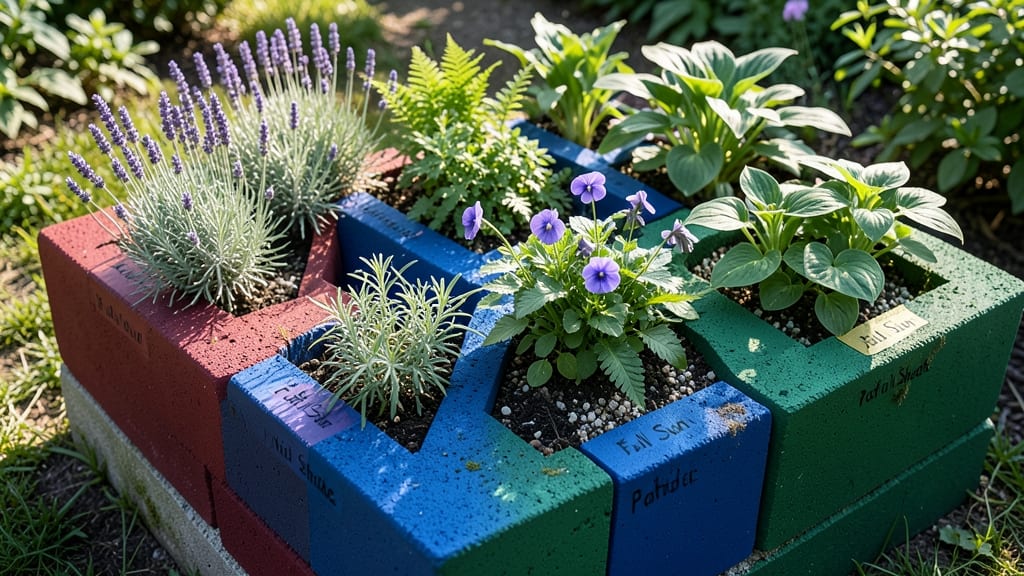
Cinder blocks are a gardener's secret weapon for creating durable, space-efficient garden beds that require minimal maintenance. These 10 creative layouts transform limited spaces into thriving plant havens while adding rustic charm to any outdoor area.
Raised Tiered Cinder Block Planters
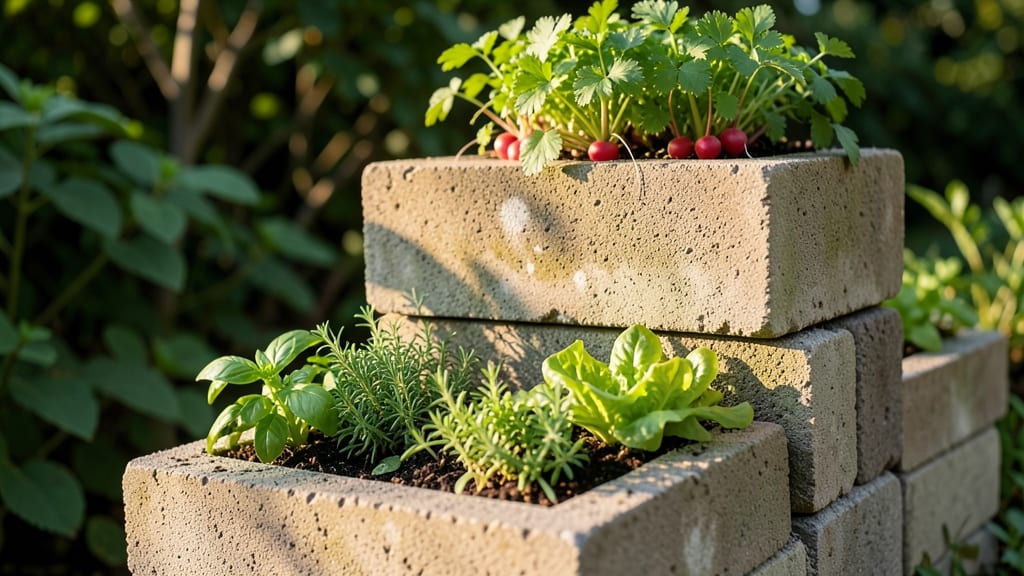
Turn your small garden into a vertical powerhouse with raised tiered cinder block planters, perfect for growing herbs and shallow-rooted veggies like lettuce or radishes. This design stacks blocks in descending tiers, creating a built-in drainage system that keeps roots from sitting in soggy soil—ideal for urban balconies or patios where space is tight.
Start by placing the tallest blocks at the back and gradually lowering each tier by one block per level. Fill the top layer with moisture-loving plants like basil or parsley, then transition to drier varieties like thyme or oregano in the lower tiers. The open-bottom design lets excess water drain freely, while the elevated structure keeps pests like slugs at bay. For extra stability, secure the blocks with landscape fabric or a sturdy base.
This system is a game-changer for small-space gardeners who want maximum harvests with minimal footprint. Plus, the rustic charm of cinder blocks adds character to any outdoor area. 🌱
Spiral Herb Garden with Cinder Blocks
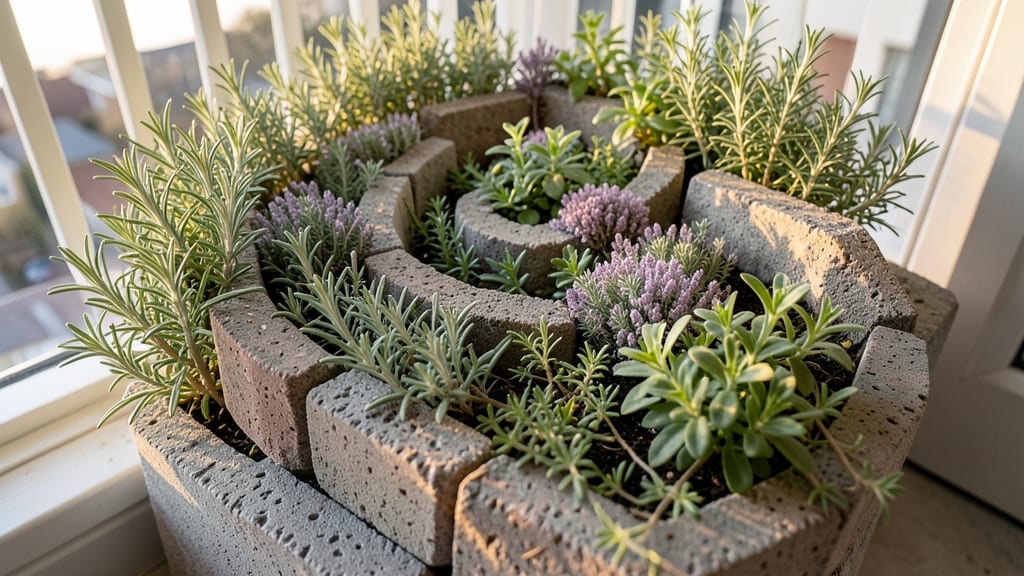
Transform your tiny balcony or kitchen windowsill into a fragrant herb haven with a spiral cinder block garden—where sunlight dances across your plants in a mesmerizing, space-saving curve. This design lets you grow sun-loving herbs like rosemary, thyme, and oregano in just a few square feet while creating a stunning focal point that turns heads.
Start by arranging cinder blocks in a gentle spiral, leaving gaps between them for soil and drainage. Place taller herbs like rosemary on the outer curve (where they’ll get the most 6+ hours of sun daily) and shorter herbs like chives or parsley toward the center. The spiral shape ensures even light distribution, preventing shade competition while maximizing exposure for all plants.
Urban gardeners and apartment dwellers will love this low-maintenance design—it’s easy to water, requires minimal soil, and fits seamlessly into small spaces. Plus, the rustic charm of cinder blocks adds a cozy, organic touch to any outdoor nook. 🌿
Cinder Block Vertical Pallet Garden
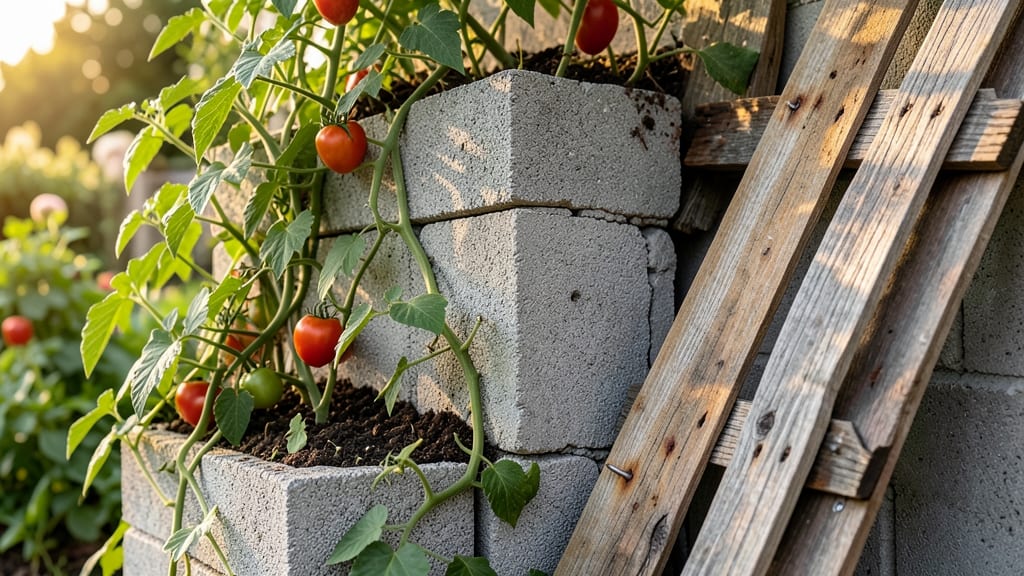
Looking for a vertical garden that can handle the weight of heavy tomato plants or pepper vines without wobbling? This cinder block vertical pallet garden combines the best of both worlds—durability from cinder blocks and the rustic charm of repurposed pallets.
Start by securing a wooden pallet upright against a fence or wall, then stack cinder blocks on either side to create a sturdy frame. The blocks provide structural support while the pallet adds a rustic aesthetic. Fill the gaps with well-draining soil and plant heavy feeders like tomatoes, peppers, or eggplants in the center, while trailing plants like nasturtiums or beans can spill over the edges for a lush, cascading effect.
This design is perfect for gardeners with limited space or those who want to add an industrial-chic touch to their yard. Plus, the vertical structure maximizes sunlight exposure for all plants. 🌻
Sunken Cinder Block Planter Box
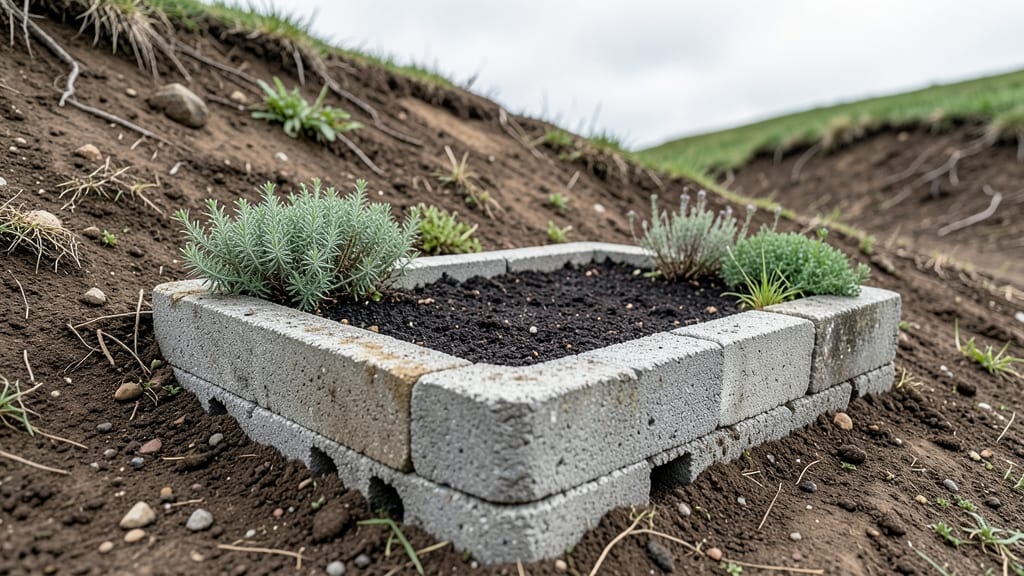
Tackling a sloped yard or preventing soil erosion? A sunken cinder block planter box solves both problems while creating a natural-looking garden bed that stays level with your landscape. This design sits below ground level, using the slope to its advantage while keeping plants at a consistent height for easy maintenance.
Start by digging a trench slightly deeper than your cinder blocks (about 6-8 inches). Line the bottom with landscape fabric to prevent weeds, then arrange blocks in a rectangular or curved shape. Fill with a mix of topsoil and compost (60/40 ratio) and plant shallow-rooted crops like lettuce, marigolds, or strawberries—ideal for year-round harvests without the sun exposure risks of raised beds.
This method is perfect for gardeners with steep terrain or those looking to stabilize soil while adding greenery. The sunken design also keeps plants cooler in hot climates, making it a smart choice for drought-prone areas. 💚
Cinder Block Planter With Built-In Trellis
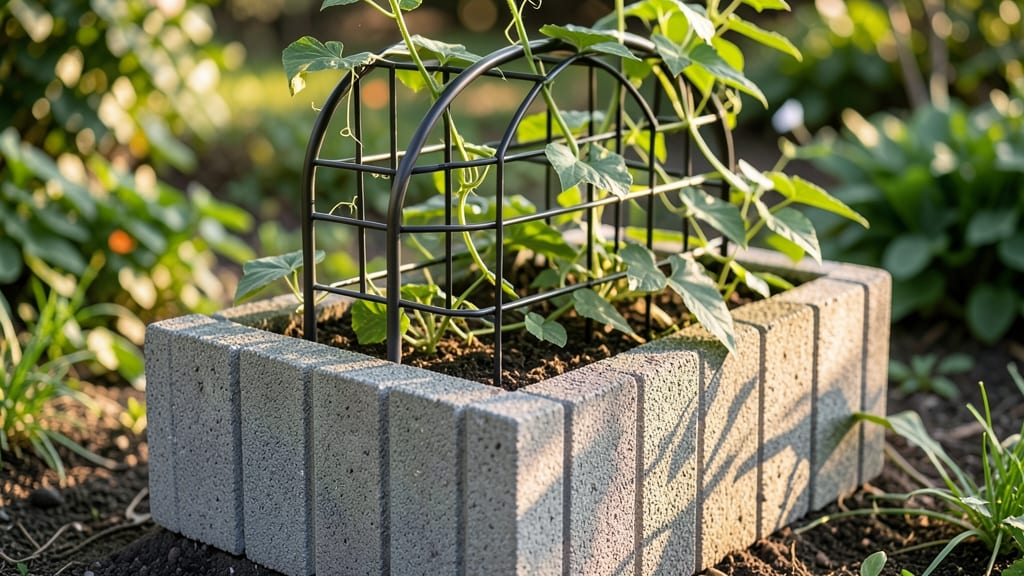
Say goodbye to clunky freestanding trellises and hello to sleek, integrated support for your climbing plants. A cinder block planter with built-in trellis combines functionality and form, letting vines like cucumbers, pole beans, or morning glories grow vertically without sacrificing precious garden real estate.
Simply stack blocks in a U-shape and secure a metal or wooden trellis along the back wall before filling with soil. This design supports 3-6 foot vines while adding architectural interest to your beds. For extra durability, use galvanized wire mesh instead of wood to prevent rot. Perfect for small spaces or urban gardens where vertical growth maximizes yield.
This dual-purpose planter is ideal for gardeners who love low-maintenance climbers but hate the mess of separate trellis setups. It’s especially great for busy summer gardens where space-saving solutions make all the difference. 🌱
Modular Cinder Block Garden Wall
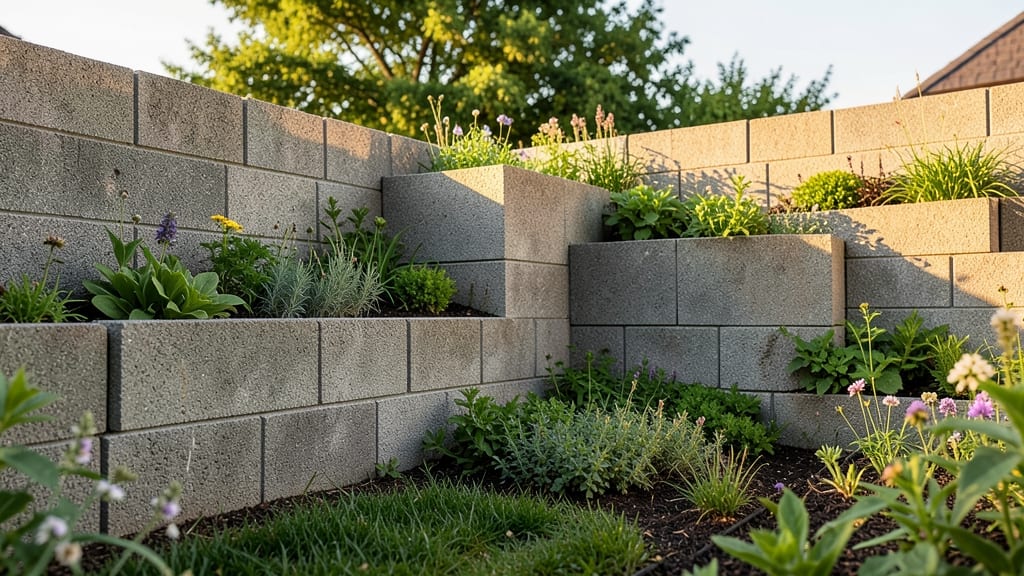
Need to divide your yard into distinct garden sections without sacrificing planting space? A modular cinder block garden wall solves both problems by creating a functional barrier and built-in planters. This design lets you customize heights, widths, and layouts while adding a rustic yet modern aesthetic to your outdoor space.
Start by stacking standard 16-inch cinder blocks in a staggered pattern for stability, leaving gaps between blocks to create pockets for plants. Use drought-tolerant succulents or ornamental grasses like maiden grass in the pockets—they thrive in the minimal soil retained by the blocks. For privacy screens, build the wall 3-4 blocks high (about 3 feet), while lower walls (2 blocks) work well for section dividers.
This design is ideal for gardeners who want low-maintenance borders without sacrificing greenery. Plus, the textured blocks add visual interest while keeping costs under $50 for basic materials. 💚
Cinder Block Planter With Drip Irrigation Grooves
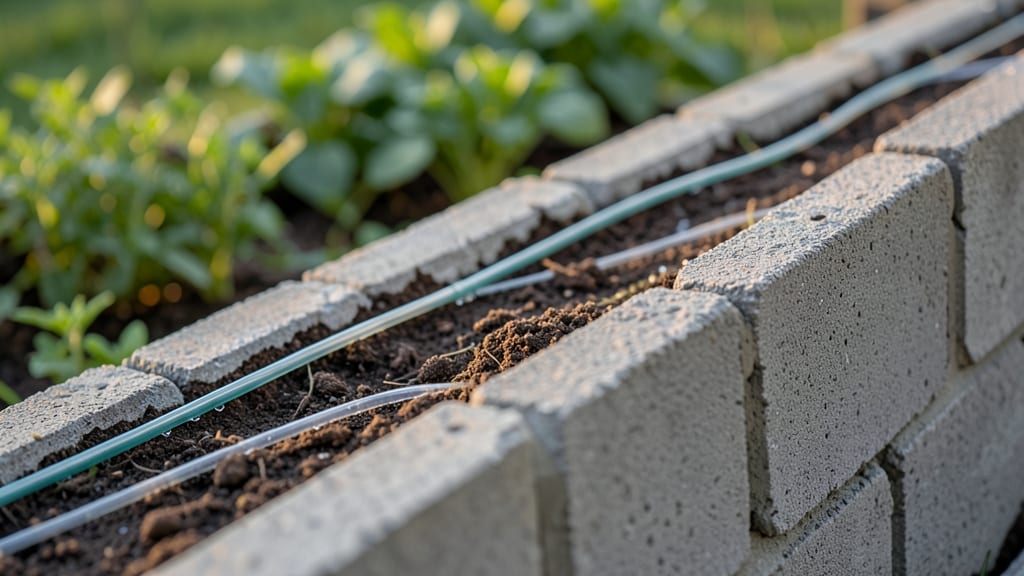
Tired of lugging watering cans or struggling with uneven moisture distribution? A cinder block planter with drip irrigation grooves solves both problems by channeling water directly to roots—no extra tools or effort required.
Simply place your planter on a slight slope or use pre-molded blocks with built-in grooves to guide water from one side to the other. This system ensures consistent moisture while preventing runoff, making it perfect for drought-tolerant plants like lavender or succulents. For extra efficiency, add a small reservoir at the top to feed the grooves over time.
This design is a game-changer for busy gardeners or those with limited mobility, cutting watering time by half. Plus, the eco-friendly setup reduces waste by delivering water exactly where plants need it most. 💡
Cinder Block Planter With Integrated Seat
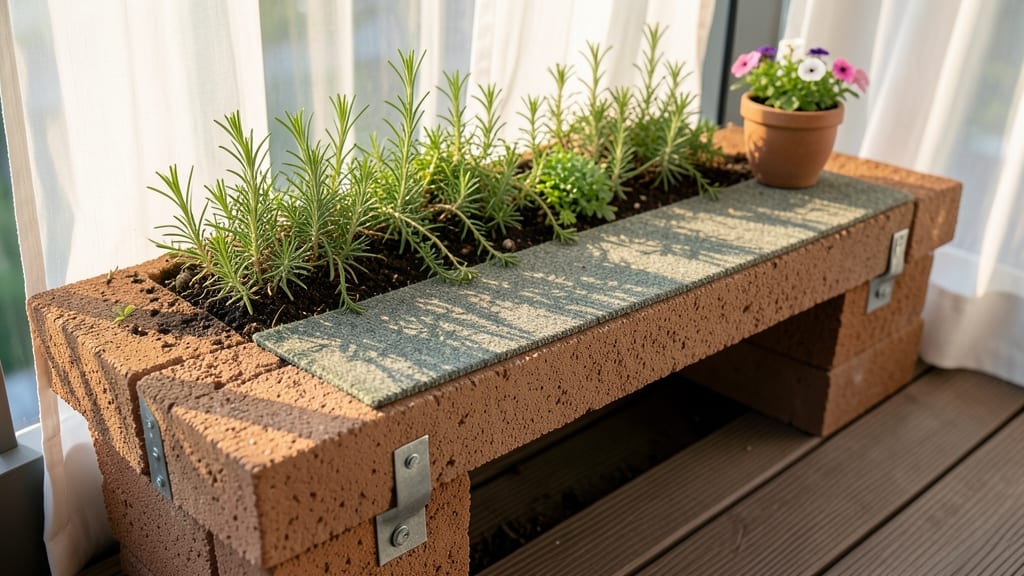
Turn your tiny patio or balcony into a cozy garden retreat with a cinder block planter bench that serves double duty as both seating and planting space. This clever design eliminates the need for separate garden beds and seating, making it perfect for urban gardeners with limited square footage.
Start by stacking cinder blocks in a rectangular frame, leaving one long side open to create the seat. Line the bottom with landscape fabric for stability, then fill the planting area with well-draining soil. Plant drought-tolerant perennials like lavender or geraniums—they thrive in container conditions and add vibrant color while requiring minimal maintenance. For extra comfort, add weather-resistant cushions or outdoor pillows to the seat.
This space-saving solution is ideal for small-space gardeners who want to maximize functionality without sacrificing aesthetics. Plus, the bench provides a perfect spot to enjoy your harvest while tending to your plants. 🌷
Cinder Block Planter With Living Roof
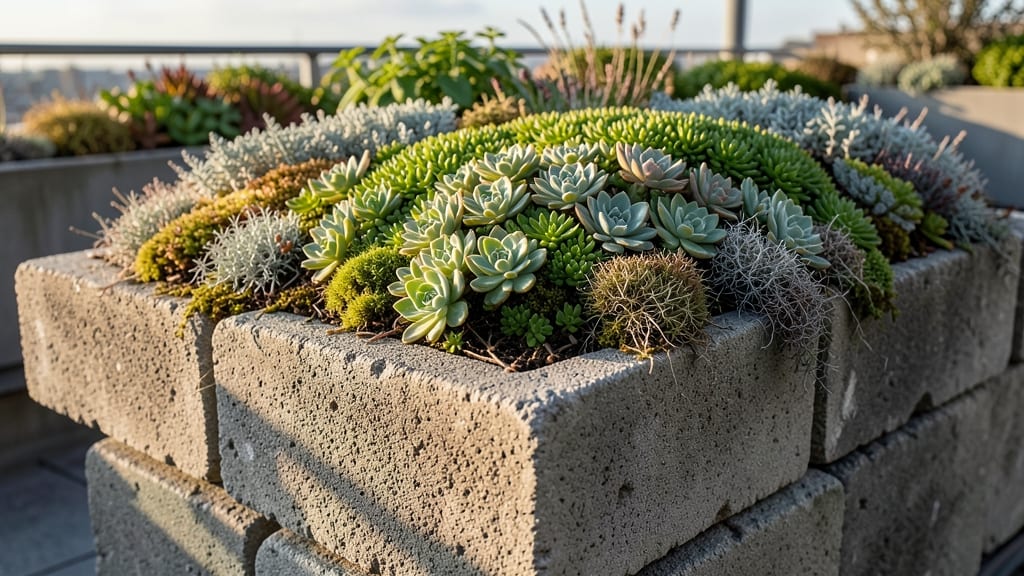
Turn your rooftop or balcony into a lush, self-sustaining oasis with a cinder block planter topped with a living roof. This eco-friendly design uses sedum or moss to create a resilient green cover that insulates plants below, regulates temperature, and reduces stormwater runoff—perfect for urban gardeners with limited space.
Start by stacking cinder blocks into a sturdy base, then layer with well-draining soil and lightweight growing medium. Plant drought-tolerant sedum varieties (like Sedum spurium or Sedum album) or moss sheets, spacing them closely to prevent weeds. The living roof protects underlying plants from intense sun or wind, making it ideal for rooftops or exposed areas. For extra durability, secure the top layer with a lightweight landscape fabric before planting.
This design is a game-changer for eco-conscious gardeners or those with rooftop spaces, offering both beauty and functionality. Plus, it thrives with minimal water—just the perfect touch for sustainable gardening. ✨
Cinder Block Planter With Color-Coded Sections

Turn your garden into a living classroom with a color-coded cinder block planter that visually organizes plants by sunlight needs or types. This innovative design uses distinct colors (like red, blue, and green) to label sections—perfect for teaching plant compatibility or helping beginners match plants to their ideal growing conditions.
Start by painting or staining blocks in three colors: red for full sun (6+ hours), blue for partial shade (3-6 hours), and green for shade (under 3 hours). Fill each section with complementary plants—like sun-loving tomatoes in red blocks and shade-tolerant ferns in green blocks. The color-coding system makes it easy to spot mismatches or experiment with new pairings, while the sturdy blocks prevent soil erosion and keep weeds at bay.
This method is ideal for educational gardens, community plots, or beginner-friendly spaces where visual learning enhances success. Kids and novices will love the interactive way it teaches plant care, while experienced gardeners can use it to track sunlight patterns across the season. 🌻