
Container Gardens
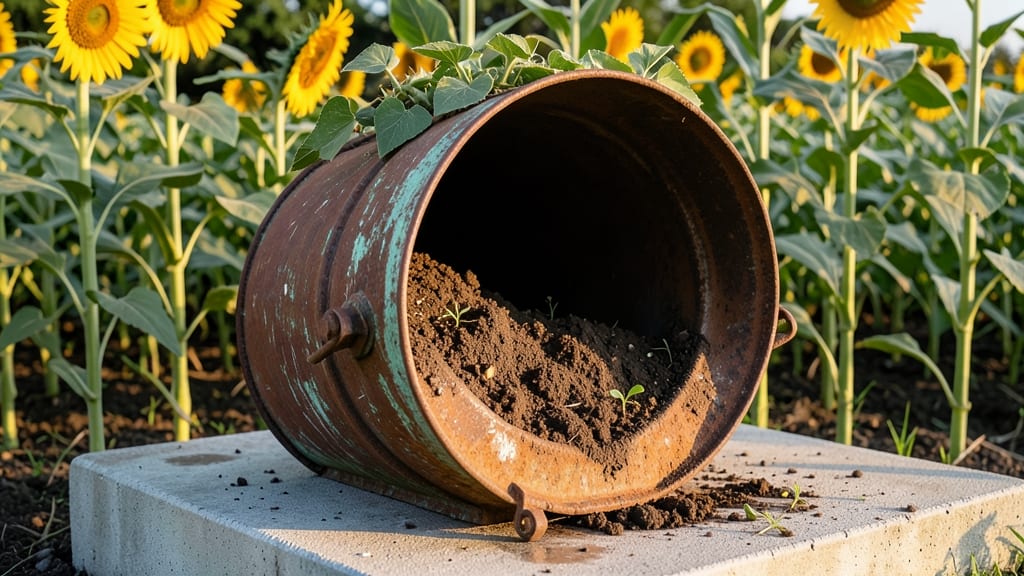
Transforming empty space into a thriving garden shouldn’t break the bank. These 10 zero-cost raised bed ideas use repurposed materials to create sturdy, affordable planters perfect for urban balconies or rural yards—without sacrificing style or functionality.
Cinder Block Garden Bed Frames
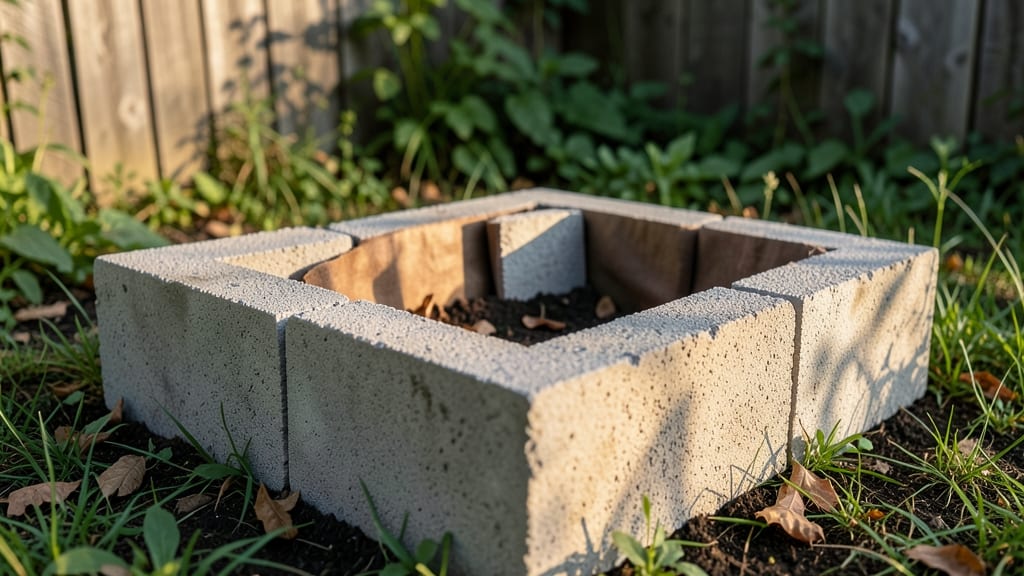
Looking for a zero-tools, zero-waste way to create a raised bed that lasts for years? Cinder blocks are your secret weapon—stack them into rectangles, curves, or even spirals without mortar, and you’ll have a sturdy, custom-shaped garden bed that doubles as a decorative border.
Start by arranging blocks in your desired shape (a simple rectangle works for beginners) and fill the center with landscape fabric to prevent soil from spilling through the gaps. Add a layer of cardboard at the bottom to block weeds, then fill with a mix of topsoil and compost for nutrient-rich growing conditions. The blocks’ weight keeps the bed stable, and their versatile shape lets you create everything from narrow herb strips to wide veggie patches.
This method is perfect for urban balconies, small patios, or beginner gardeners who want a low-maintenance, long-term solution without breaking the bank. Plus, the blocks’ rustic charm blends seamlessly with any garden style. 🌱
Pallet Wood Vertical Planters
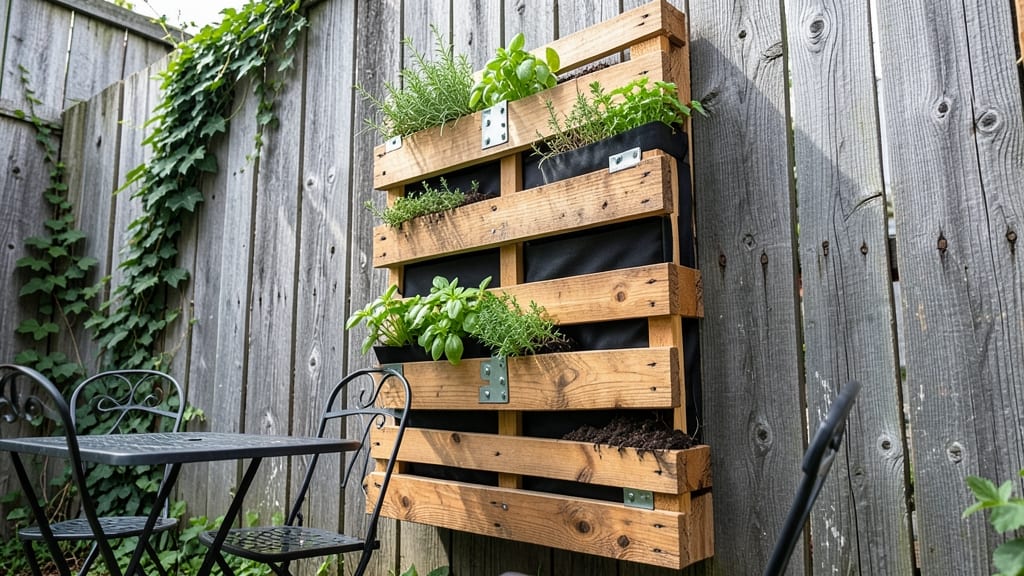
If you're struggling to find space for your garden but have a fence or wall just begging for a makeover, pallet wood vertical planters are your solution. These planters transform unused vertical space into a lush, productive garden without taking up valuable ground area—ideal for balconies, patios, or small yards.
Start by disassembling clean, heat-treated pallets (avoid chemically treated ones) and splitting them into individual sections. Use screws or sturdy brackets to attach them horizontally to a wall, fence, or even a freestanding frame. Fill each section with well-draining soil and plant shallow-rooted crops like herbs (basil, thyme), lettuce, or trailing flowers (nasturtiums, petunias). For extra stability, add a backboard or lean them against a structure.
This design is perfect for urban gardeners or anyone with limited space—it’s budget-friendly, customizable, and adds a modern, industrial-chic vibe to your outdoor area. Plus, the vertical layout makes watering and harvesting a breeze! 🌿
Tire Planters for Small Spaces
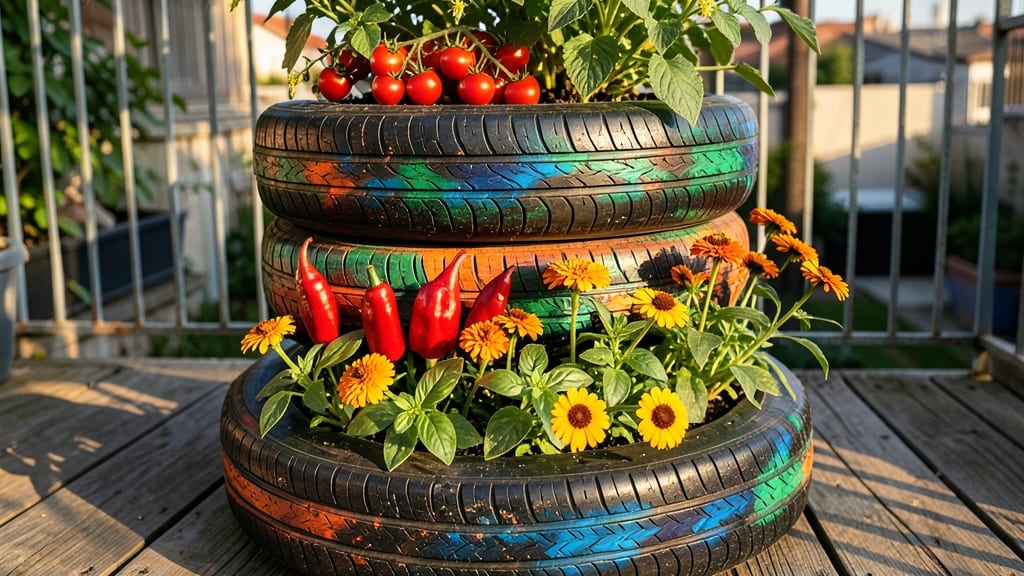
Turn your old tires into vibrant, functional planters with almost zero cost—just a little paint and creativity! These durable, weather-resistant containers are perfect for growing tomatoes, peppers, or marigolds in tight balconies or patios, where space is limited but dreams aren’t.
Start by cleaning and painting tires in bright colors for a playful look, then stack them vertically for layered beds or use them as individual pots. Drill drainage holes in the bottom to prevent waterlogging, and fill with a mix of garden soil and compost. Tires retain moisture well, making them ideal for drought-tolerant plants like succulents or herbs.
This zero-waste solution is perfect for urban gardeners or anyone looking to add a rustic-chic touch to their space. Plus, kids love helping paint and plant in these colorful containers! 🌻
Bricks and Stones Retaining Wall Bed
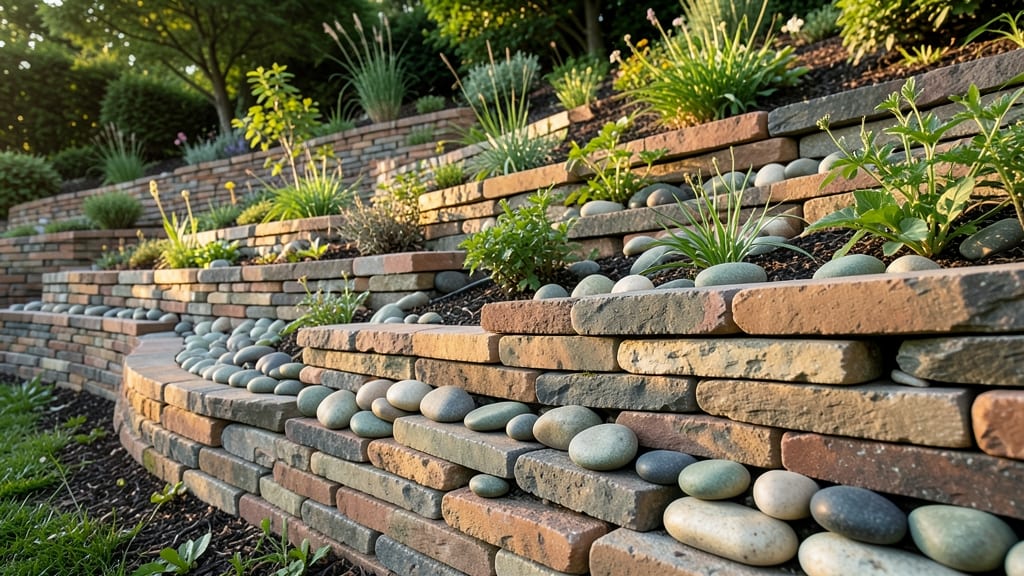
Skip the heavy excavation and create a stunning garden border with a bricks and stones retaining wall bed. This zero-cost solution transforms flat ground into a raised planting area without digging, making it perfect for sloped yards or as a natural edge for existing flower beds.
Start by laying a base of landscape fabric to prevent weeds, then stack bricks, pavers, or natural stones in a staggered pattern for stability. Fill the center with 6-12 inches of soil and plant shallow-rooted perennials like marigolds, thyme, or creeping thyme—they thrive in this rustic, well-draining setup. For extra charm, mix in sand or gravel between stones to create a cohesive, low-maintenance look.
This idea is ideal for gardeners who love a natural, earthy aesthetic without the hassle of deep construction. It’s also a great way to repurpose leftover bricks or stones from other projects. 🌿
Plastic Milk Jug Greenhouses
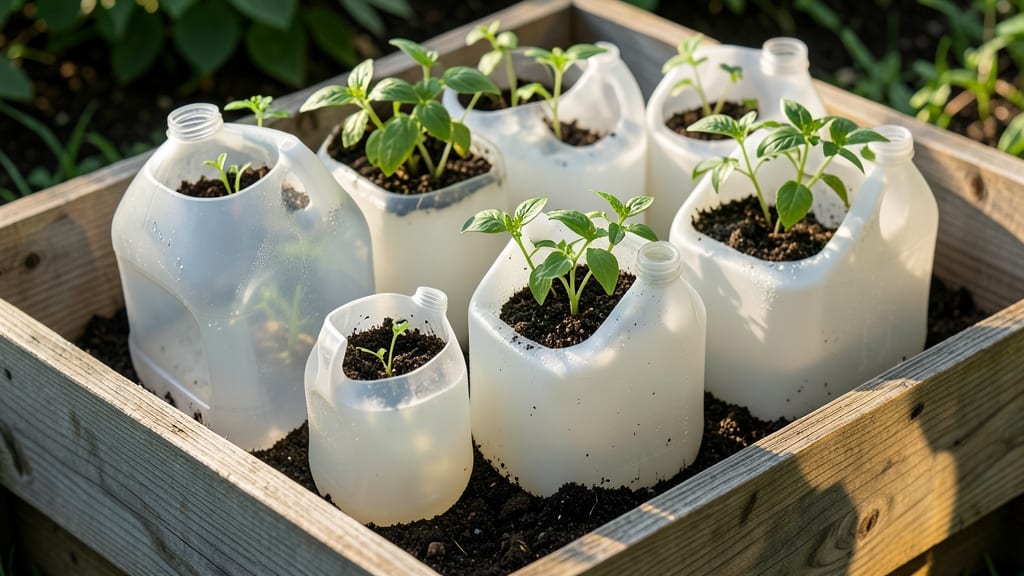
Skip the store-bought greenhouse and transform empty milk jugs into seedling protectors that cost nothing and work wonders. These mini greenhouses create a humid, warm microclimate perfect for starting delicate herbs or veggies like basil, lettuce, or peppers—especially when spring still feels too chilly.
Cut jugs in half horizontally, poke drainage holes in the bottom, and secure a clear plastic lid (or repurposed bottle cap) with rubber bands. Place them in full sun to trap heat, and watch your seedlings grow twice as fast. The clear plastic also blocks pests while maintaining moisture—ideal for urban balconies or small patios.
This trick is a game-changer for budget-conscious gardeners or anyone with limited space. No tools or materials needed beyond what you already have in your recycling bin! 🌱
Old Dresser or Bookshelf Planters
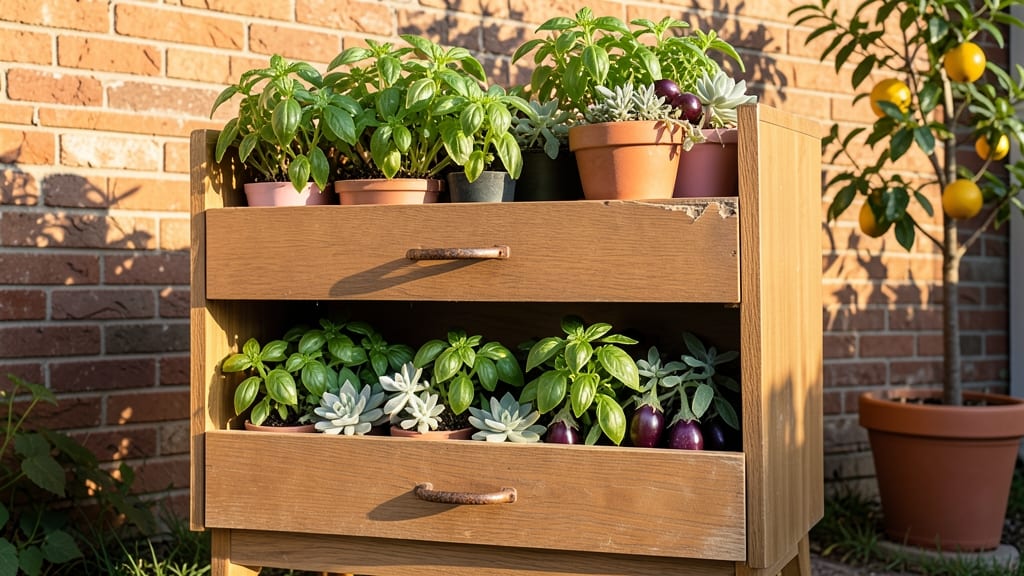
Turn a forgotten dresser or bookshelf into a charming tiered garden that adds vertical interest without breaking the bank. This upcycled planter is perfect for herbs, succulents, or dwarf vegetables, giving you instant curb appeal while maximizing small spaces.
Start by sanding down rough edges and removing any drawers or shelves to create open planting tiers. Use a lightweight, breathable paint (like chalk or acrylic) to protect the wood and add personality—think soft blues, whites, or pastels for a cottage feel. For drainage, drill small holes in the bottom of each tier or line with landscape fabric. Fill with well-draining soil tailored to your plants, and arrange them by sunlight needs from top to bottom.
This project is ideal for urban gardeners, apartment balconies, or small yards—it’s a conversation starter that blends functionality with rustic charm. Plus, the tiered design makes harvesting and maintenance a breeze. 🌿
Corrugated Metal Roofing Beds
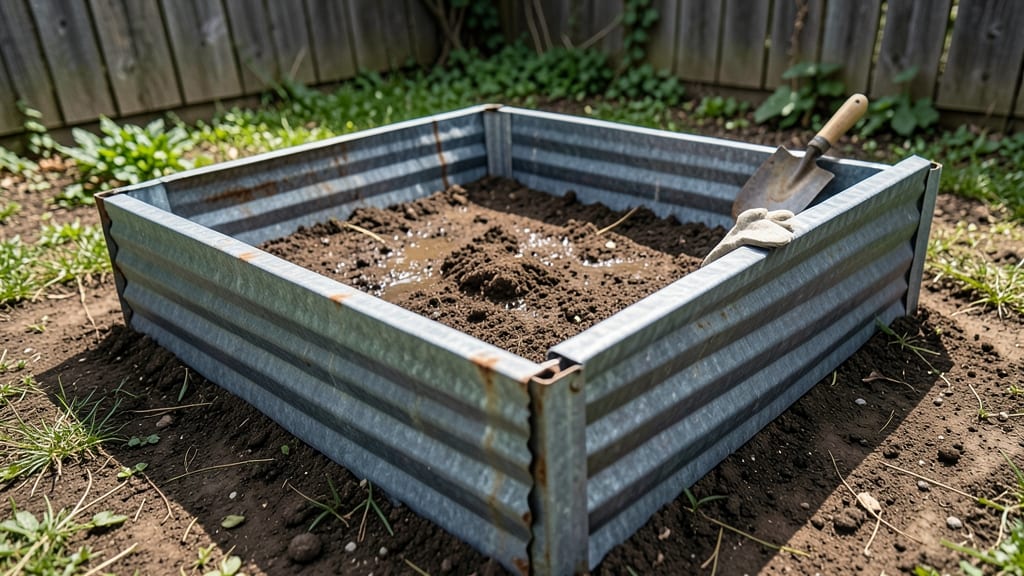
Skip the heavy lumber and opt for corrugated metal roofing panels—a lightweight, weather-resistant solution for raised beds that’s surprisingly sturdy. These panels are often discarded after roofing projects, making them a free or low-cost option for gardeners with a creative eye.
Line the panels with landscape fabric to prevent soil loss through the corrugations, then fill with a mix of compost and topsoil. The slightly elevated design naturally drains water, reducing root rot risks for plants like lettuce, herbs, or shallow-rooted flowers. For sloped areas, secure the panels with landscape staples or bricks to prevent shifting.
This option is ideal for renters, urban gardeners with limited space, or anyone testing a garden layout before investing in permanent structures. The industrial-chic aesthetic also adds a unique touch to any yard. 💡
Wooden Crate Herb Garden
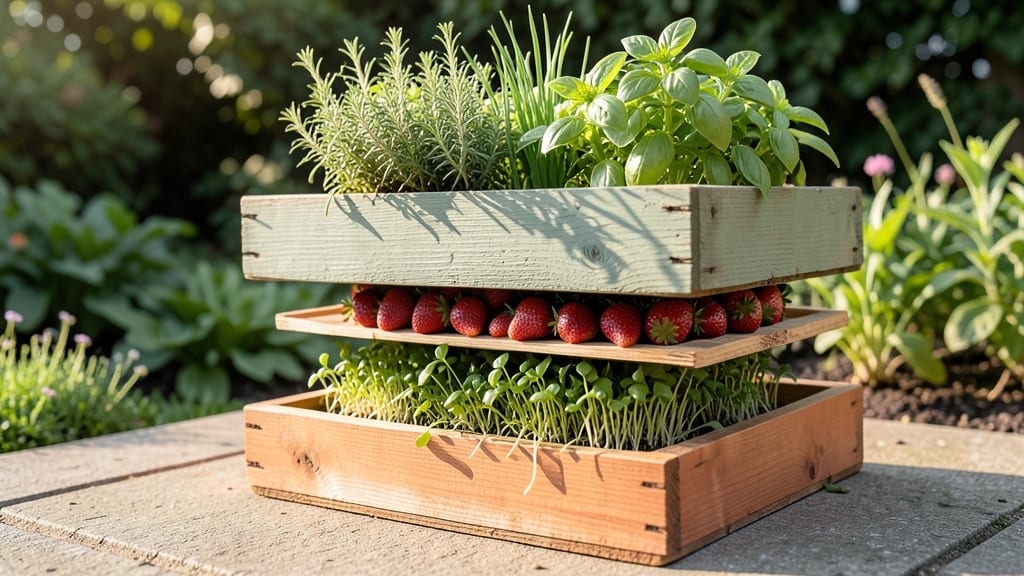
Need a portable, stylish herb garden that won’t cost more than a coffee date? Stack wooden crates into a compact raised bed—perfect for herbs, strawberries, or microgreens—and customize them with paint or stain to match your patio decor.
Start with 2-3 crates (check local thrift stores or Facebook Marketplace for free/cheap finds) and arrange them side-by-side or vertically. Drill drainage holes in the bottom if needed, then fill with well-draining potting mix. Place in at least 6 hours of sun for herbs like basil or rosemary, or partial shade for leafy greens.
This project is ideal for urban gardeners, renters, or anyone with limited space—no permanent installation required! Plus, the modular design lets you expand or rearrange as your garden grows. 🌱
Bamboo Fence Planters
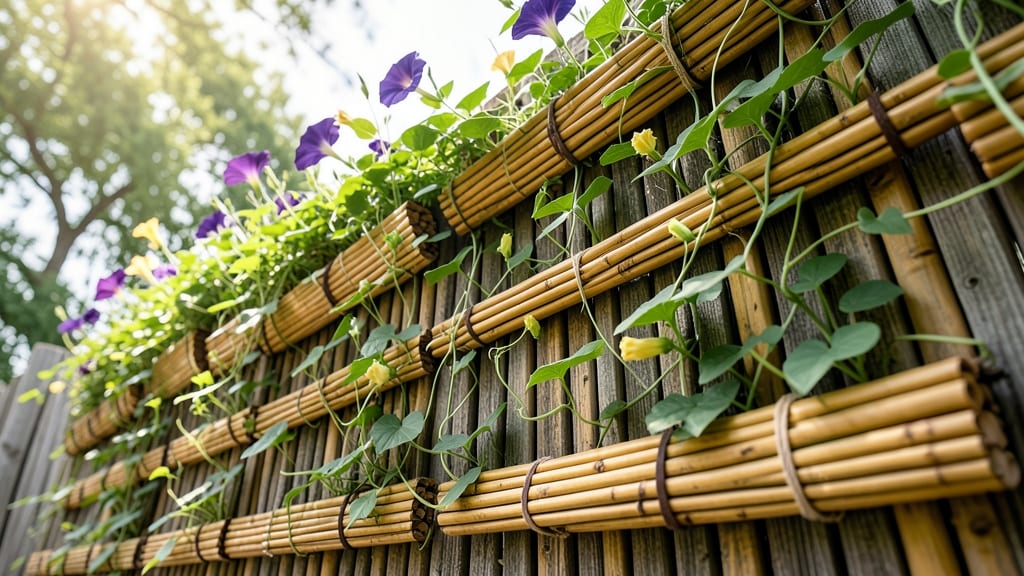
Turn your fence into a lush, private garden with bamboo fence planters—a clever way to grow climbing plants like morning glories or pole beans without taking up precious ground space. This vertical solution transforms an otherwise empty fence into a productive, eye-catching feature while adding natural privacy to your yard.
Simply attach bamboo poles or screens to your fence using zip ties or screws, then fill fabric pockets or small containers with soil. Plant fast-growing climbers that thrive in vertical spaces, like snap peas or cucumbers, and watch them twine upward in weeks. For extra rustic charm, weave bamboo poles directly into the fence lattice for a seamless, organic look.
This idea is perfect for urban gardeners with limited space or anyone wanting to add greenery to a plain fence line. It’s a zero-cost project if you already have bamboo or can source it for free! 🌿
Cement Mixer Planter

Turn your old cement mixer into a statement planter that doubles as a conversation starter in your garden. This large-capacity container is perfect for growing tall vegetables like corn or sunflowers, giving them the space they need to thrive without taking up extra garden real estate.
Start by cleaning the mixer thoroughly and removing any rusted parts. Line the bottom with landscape fabric to prevent soil loss, then fill it with a mix of topsoil and compost. Paint the exterior in bright colors or patterns to match your garden’s aesthetic—think bold reds, sunny yellows, or even a playful polka-dot design. Place it in a spot with full sun exposure for maximum growth.
This project is ideal for gardeners who love industrial-chic decor or need a unique solution for growing space-hungry plants. It’s also a fantastic way to repurpose an old tool into something functional and eye-catching. 🌻