
Container Gardens
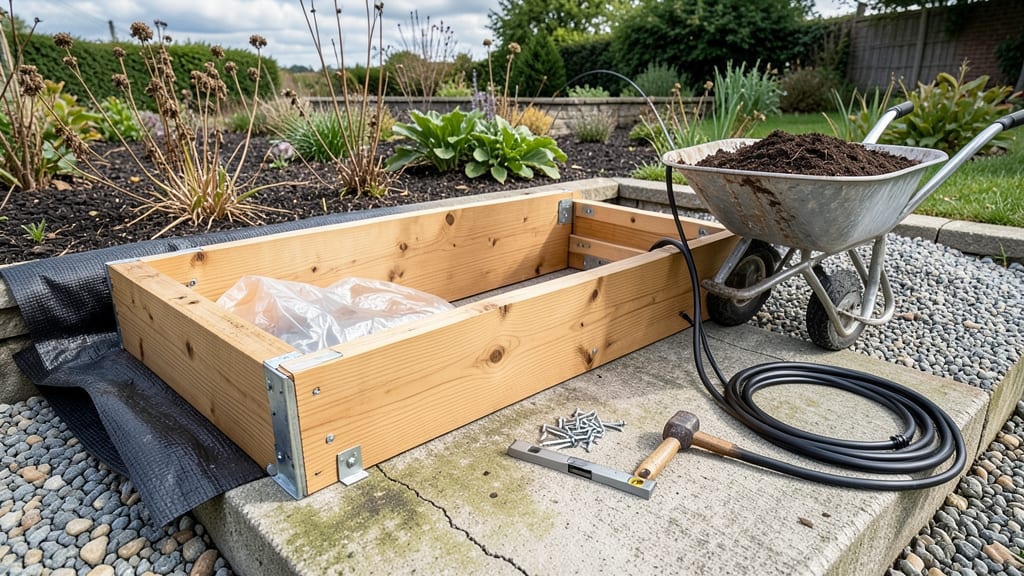
Yes, you can put a raised garden bed on concrete, but you must use leveling pads, gravel bases, or lightweight materials to prevent moisture buildup and structural stress. Avoid placing heavy cedar or untreated wood directly on concrete without proper ventilation.
Concrete surfaces can actually support raised garden beds, but the real challenge lies in managing moisture and weight distribution. 🌱 Without proper elevation and airflow, concrete's impermeable nature traps dampness, accelerating wood rot and mold growth in traditional lumber beds.
I've found that metal or composite materials work best here—they resist moisture far better than untreated wood and won't warp under pressure.
For stability, consider using 1-2 inch leveling pads under each corner and a gravel layer between the concrete and bed frame. This creates a drainage gap while distributing weight evenly.
The key is balancing structural support with breathability—heavy beds need wider bases or additional support beams to prevent sinking over time.
💡 In This Article
- Key Considerations for Raised Beds on Concrete Surfaces
- Step-by-Step Guide to Installing Raised Beds on Concrete
Key considerations for raised beds on concrete surfaces
Concrete's impermeable surface creates two critical challenges for raised garden beds: moisture buildup and structural stress. The problem starts with condensation—when warm, moist air from soil meets cool concrete, it forms water droplets that pool at the base.
Over time, this trapped moisture accelerates wood rot in traditional lumber beds, especially with untreated cedar which absorbs 120% of its dry weight in water. 💧 The concrete's lack of drainage also prevents excess water from escaping, creating a perfect environment for mold growth between the bed and surface.
Material choice becomes crucial here. Metal beds (like galvanized steel) or composite lumber (with 30% less water absorption than cedar) handle concrete surfaces far better. I've seen cedar beds last only 2-3 years on concrete without proper ventilation, while metal beds can last decades with minimal maintenance.
The weight distribution also matters—concrete has a 4,000 psi compressive strength, but concentrated pressure from heavy beds can cause cracking over time, especially near edges.
Root health suffers when concrete blocks natural drainage. Plants need oxygen in the root zone, but trapped moisture creates anaerobic conditions where beneficial microbes die off. This is why elevated beds with 3-4 inch gravel bases work so well—they create airflow while preventing direct contact.
The gravel layer also acts as a thermal buffer, protecting roots from concrete's temperature extremes (which can fluctuate 50°F between day and night in some climates).
Structural stability requires careful planning. Concrete's flat appearance can be deceiving—many slabs have 1/4 inch per 10 feet slope for drainage. Always check with a 4-foot level before installing. Uneven surfaces cause beds to shift, especially when filled with 200-300 lbs of soil per cubic foot.
For extra security, consider using adjustable leveling feet under each corner to compensate for any imperfections.
One often-overlooked factor is the chemical interaction between concrete and organic materials. Concrete contains alkaline salts that can leach into wood, accelerating decomposition. This is why pressure-treated lumber (with CCA or ACQ preservatives) performs better than untreated wood on concrete—it resists both moisture and chemical breakdown.
For maximum longevity, I recommend using galvanized metal screws instead of nails to secure bed frames, as they won't corrode from concrete's alkaline environment.
The solution lies in creating a ventilated gap system between bed and concrete. This involves:
- Base layer: 1 inch of landscape fabric to prevent gravel from sinking into cracks
- Drainage layer: 3-4 inches of #57 gravel (1/2 inch stones) for airflow and water movement
- Support layer: 1/2 inch leveling pads under each corner to distribute weight