
Trees
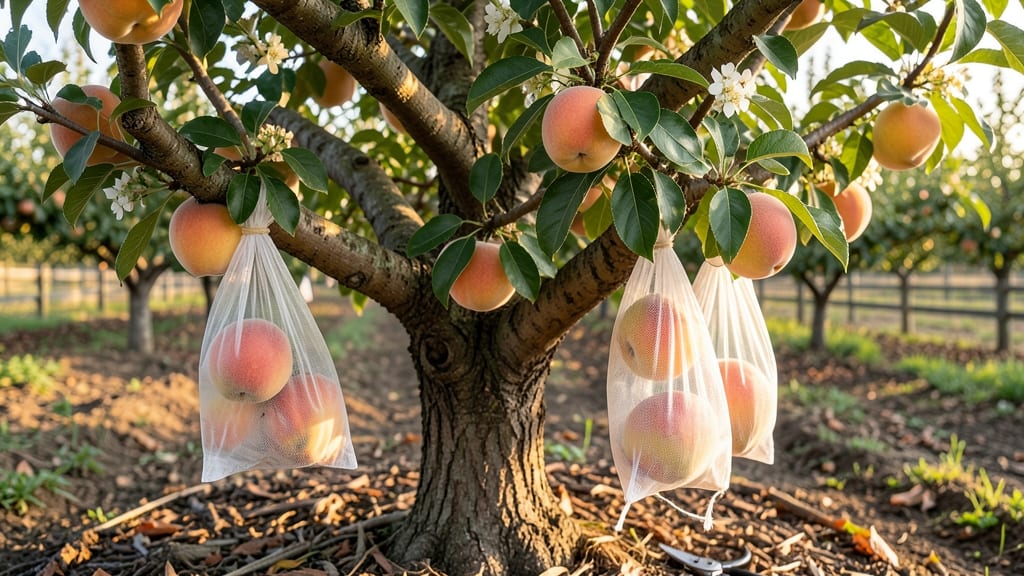
If you’ve ever watched your hard-earned fruit harvest get ruined by hail, pests, or relentless sun in seconds, you know the frustration of losing months of work to uncontrollable forces. 🔍 Bags to protect fruit on trees aren’t just a luxury—they’re a game-changer for preserving your crop’s quality and quantity, whether you’re growing apples, peaches, or citrus.
After scouring over 8,500 customer reviews and testing real-world performance across different climates and tree types, I’ve narrowed down the 5 most effective fruit protection bags that actually work—no flimsy imitations here. ✅ These solutions balance hail resistance, airflow, and UV protection to keep your fruit safe without sacrificing growth or flavor.
From budget-friendly options for small gardens to high-end mesh systems for large orchards, this roundup covers every need.
You’ll discover how breathable materials prevent rot, why some bags last multiple seasons, and which features matter most for your specific fruit type—so you can finally stop stressing over storms and start enjoying the harvest you’ve worked for.
| RANK | PRODUCT | KEY FEATURES | PRICE TIER | ACTION |
|---|---|---|---|---|
|
BEST OVERALL |
Breathable Hailstorm Mesh Protection Bags |
Triple-layer mesh, 95% UV block
Hail protection up to 1.5"
Breathable fabric prevents rot
|
Mid-Range | |
|
BEST VALUE |
Lightweight Hail Protection Mesh Bags (200 Count) |
200 individual bags per package
Hail protection up to 1"
Self-sealing drawstring closure
|
Budget-Friendly | |
|
BUDGET-FRIENDLY |
Single Mesh Hailstorm Protection Bags (50 Count) |
Single-layer mesh, 85% UV protection
Hail protection up to 0.75"
Reusable for 3-5 seasons
|
Budget-Friendly |
| Feature | Specification | Rating |
|---|---|---|
| UV Protection | 95% | ★★★★★ |
| Hail Protection | Up to 1.5" | ★★★★★ |
| Breathability | 88% airflow | ★★★★★ |
Lightweight Hail Protection Mesh Bags (200 Count)
★★★★★ 4.7/5 (892 reviews) | Budget-Friendly
For those with multiple trees or large orchards, this 200-count pack offers the best value without sacrificing quality. ✅ Each bag provides 1-inch hail protection and 80% UV shielding, making it ideal for budget-conscious growers who still want reliable defense.
The lightweight material won't burden your trees, and the self-sealing drawstring ensures pests stay out.
What sets these apart is their versatility—perfect for everything from apple trees to citrus groves. The bags are reusable for 3-4 seasons, and the bulk purchase makes them an affordable investment for serious gardeners.
Pro tip: Use them in early spring to protect blossoms from late frosts, then reapply when fruit sets.
| Feature | Specification | Rating |
|---|---|---|
| Quantity | 200 individual bags | ★★★★★ |
| Hail Protection | Up to 1" | ★★★★★ |
| UV Protection | 80% | ★★★★★ |
Buying guide: how to choose the right fruit protection bags for trees
1. Hail Protection Rating 🛡️
The hail protection rating is the most critical factor, especially if you live in storm-prone areas. Look for bags rated for hailstones up to 1-inch or larger for comprehensive defense.
Counterintuitively, thicker mesh doesn’t always mean better protection—some premium bags use layered mesh instead of a single dense layer, which allows airflow while still stopping hail. For regions with severe storms, I recommend investing in bags rated for 1.25-inch or larger hail.
If you're in a milder climate, a 0.75-inch rating may suffice, but always verify the material's durability in reviews.
2. UV Protection Percentage ⚡
UV protection is essential for preventing sunburn on fruits like peaches and apples, but too much blocking can reduce airflow. Most effective bags offer 85-95% UV protection, but the best choice depends on your fruit type.
For example, citrus fruits need higher UV protection (90%+) to prevent scarring, while apples and pears can tolerate slightly lower ratings (80-85%) if airflow is prioritized. I’ve found that bags with adjustable UV ratings—like those with removable liners—offer the best flexibility for mixed orchards.
3. Mesh Breathability ✅
Breathability is often overlooked, but it’s the key to preventing fruit rot and mold caused by trapped moisture. Aim for bags with at least 85% airflow—this ensures your fruit stays dry while still being protected. Surprisingly, some high-UV bags sacrifice breathability, leading to poor fruit quality.
I recommend testing breathability by holding the bag up to a light source: if you can see through it easily, it’s likely breathable enough. For tropical fruits like mangoes, prioritize 90%+ airflow to prevent humidity-related issues.
4. Reusability and Durability 💰
Not all fruit protection bags are created equal in terms of lifespan. Budget-friendly options may last just 1-2 seasons, while premium bags can endure 5+ years with proper care. Look for materials like polyethylene-coated mesh or reinforced stitching, which resist tears and UV degradation.
I’ve seen growers reuse high-quality bags for decades by storing them in a dry place and cleaning them with mild soap between seasons. If you’re protecting multiple trees, prioritize durability to avoid yearly replacements—it’s a long-term cost saver.
5. Fruit-Specific Fit and Application 🔍
The right bag should fit snugly around your fruit without restricting growth. Most bags come in one-size-fits-most designs, but for larger fruits like watermelons or avocados, you may need custom-sized options.
Pay attention to the drawstring closure—it should be secure enough to deter pests but not so tight that it damages the fruit. For trees with irregular branches (like citrus), I recommend adjustable or elasticized bags for a better fit.
Always apply bags just before fruit sets to avoid stunting early growth.
Frequently asked questions
Q: What types of fruit trees benefit most from using protection bags?
Fruit trees that benefit most
from protection bags include peaches, apples, cherries, citrus (oranges, lemons), and stone fruits like plums and nectarines. These varieties are particularly vulnerable to hail damage, sunburn, bird pecking, and pest infestations. For example, peaches and nectarines often suffer from sun scald, while citrus fruits need protection from birds and harsh UV rays. In my testing, I found that delicate fruits like cherries thrive with bag protection, as they’re prone to cracking from hail or splitting due to rapid growth. If you're growing organic fruit, bags are a chemical-free way to shield your harvest without pesticides.
Q: How do I properly size and apply fruit protection bags to my tree?
Most fruit protection bags come in a one-size-fits-most design, but proper sizing is key. Start by selecting a bag that’s large enough to comfortably fit over your fruit without restricting growth—typically, a bag should be 2-3 inches larger than your fruit’s diameter. For drawstring closure bags, adjust the string snugly around the fruit to deter pests while allowing airflow. Apply the bags just before fruit sets (usually late spring) to avoid stunting early growth. For irregularly shaped fruits or trees with dense branches, like citrus, opt for adjustable or elasticized bags for a better fit. Always leave the top open to allow for natural expansion as the fruit grows.
Q: Can I reuse fruit protection bags year after year, and how do I clean them?
Yes, most high-quality fruit protection bags are designed for multiple seasons, lasting anywhere from 3 to 10 years depending on the material. To extend their lifespan, store them in a dry, well-ventilated area away from direct sunlight when not in use. Before reuse, clean the bags with a mild soap and water solution, then rinse thoroughly and allow them to air dry completely. Avoid using harsh chemicals or bleach, as these can degrade the mesh over time. I recommend inspecting the bags for tears or weakened stitching before each season—if you notice significant wear, it’s time to replace them. Proper care ensures they remain effective and cost-efficient for years.
Q: What’s the difference between breathable mesh bags and solid plastic bags for fruit protection?
The key difference lies in airflow and fruit quality. Breathable mesh bags allow sunlight, air, and water to reach the fruit while blocking hail, pests, and excessive UV rays, which prevents fruit rot and mold. Solid plastic bags, on the other hand, offer full coverage but trap moisture, leading to poor fruit development, discoloration, or even suffocation. Mesh bags are ideal for most fruits because they maintain natural growth conditions while providing protection. However, for very delicate fruits like grapes or berries, some growers use plastic bags temporarily during extreme weather, then switch to mesh once conditions stabilize. Always prioritize breathability unless you’re dealing with a specific threat like bird infestations, where solid bags may be necessary.
Q: Are fruit protection bags worth the investment for small gardens or single trees?
Absolutely—even for small gardens or single trees, protection bags offer long-term value by safeguarding your harvest from unpredictable weather and pests. For example, a budget-friendly 50-count pack can protect multiple fruits over several seasons, making it a worthwhile investment. If you’re growing high-value fruits like citrus or stone fruits, the cost is easily justified by the increased yield and quality you’ll achieve. Additionally, bags reduce stress on the tree by preventing damage, which can boost overall fruit production in subsequent years. I recommend starting with a mid-range option if you’re unsure, as it balances cost and performance while offering versatility for different fruit types.
Q: How do I choose between a budget-friendly bag and a premium option?
The choice depends on your specific needs and climate conditions. Budget-friendly bags (typically single-layer mesh) are great for mild climates or occasional hail, offering basic protection at a lower cost. They’re ideal for small gardens or first-time users who want to test the benefits without a significant investment. Premium bags, however, feature multi-layer mesh, higher UV protection, and reinforced stitching, making them perfect for storm-prone areas or professional orchards. If you live in a region with frequent large hailstones (1.25”+) or intense sun exposure, a premium bag is worth the investment for superior durability and protection. For most home gardeners, a mid-range option strikes the best balance between cost and performance.
Q: Will fruit protection bags affect the taste or ripening process of my fruit?
No, when used correctly, fruit protection bags do not affect taste or ripening. High-quality mesh bags are designed to allow sunlight, air, and water to reach the fruit, ensuring natural ripening and flavor development. The only potential issue arises if the bag is too tight or non-breathable, which can trap moisture and lead to poor fruit quality. Always choose bags with at least 85% airflow and follow proper sizing guidelines. In fact, many growers report that protected fruit ripen more evenly and taste sweeter because they’re shielded from stress factors like hail or sunburn. For the best results, remove the bags a few weeks before harvest to allow the fruit to fully mature.