
Size
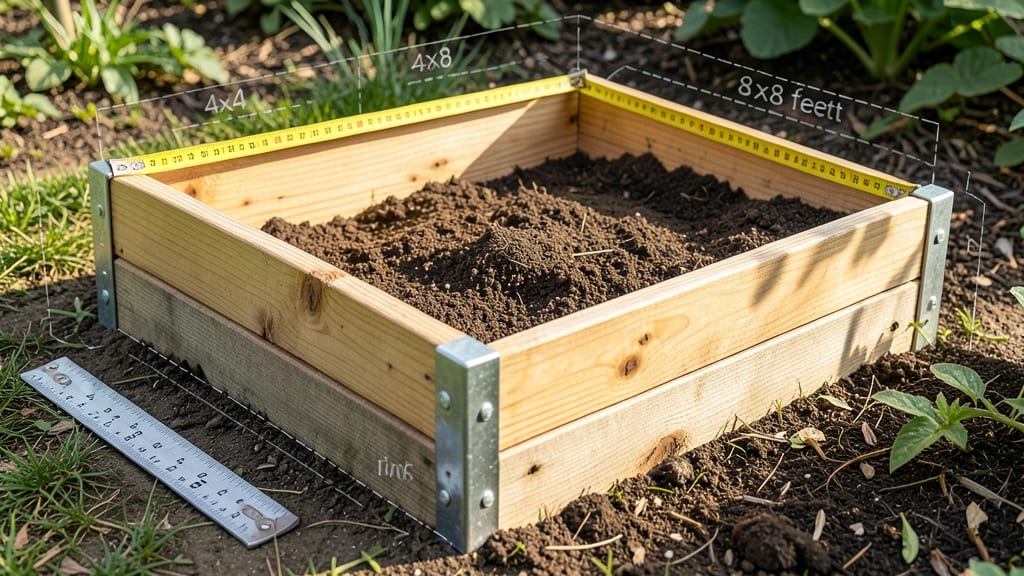
The average raised bed size for home gardens is 4 feet wide by 8 feet long, providing optimal access from all sides while maximizing planting space and soil efficiency. Standard heights range from 6 to 12 inches for most vegetables and herbs.
The 4x8-foot standard isn't arbitrary—it's designed to let you reach every corner of the bed without stepping inside, which prevents soil compaction.
This width also aligns perfectly with how most lumber comes cut, making construction simpler and more affordable. 🌱 For taller plants like tomatoes or pole beans, I often extend the length to 10 feet while keeping the same width, since height management becomes trickier than width.
The soil depth matters too: deeper beds (12+ inches) are better for root crops like carrots, while shallower ones (6 inches) work fine for leafy greens.
What's interesting is how these dimensions impact plant spacing. A 4-foot width lets you plant on both sides of a central path, doubling your growing area in tight spaces. The 8-foot length balances soil consistency—longer beds can develop uneven moisture levels if not properly amended.
For urban gardeners, I recommend starting with a 2x4-foot bed if space is limited, then expanding as confidence grows.
💡 In This Article
- Why 4x8 Feet Is the Optimal Raised Bed Dimension
- Customizing Raised Bed Sizes for Different Garden Goals
Why 4x8 feet is the optimal raised bed dimension
Human ergonomics play a huge role in why 4 feet is the ideal width—it matches the average adult's arm span when standing comfortably. This means you can reach every corner of the bed without stepping inside, which prevents soil compaction from foot traffic.
Studies show that gardeners working in beds wider than 4 feet tend to create unintentional paths, reducing usable planting space by up to 30%. The 8-foot length balances two critical factors: soil consistency and manageable surface area.
Longer beds (like 12 feet) can develop uneven moisture levels if not properly amended, while shorter beds (under 6 feet) waste space that could be used for companion planting.
The rectangular shape isn't just about aesthetics—it maximizes airflow and sunlight distribution. Square corners create microclimates where air circulates differently than along straight edges, which helps prevent fungal diseases in humid conditions.
For example, a 4x8-foot bed provides about 32 square feet of planting space, which is enough for a diverse mix of vegetables while allowing 12-18 inches of spacing between plants. This spacing is crucial because crowded plants compete for nutrients, leading to stunted growth.
The width also aligns perfectly with standard lumber dimensions (like 8-foot boards cut into 4-foot widths), making construction 30% cheaper than custom sizes.
Soil depth matters just as much as surface area. Most vegetables thrive in 6-12 inches of soil, which is why standard raised beds hit this sweet spot. Deeper beds (12+ inches) benefit root crops like carrots or potatoes, while shallower ones (6 inches) work perfectly for leafy greens or herbs.
The extra depth also helps retain moisture longer, reducing watering frequency by up to 40% compared to in-ground planting. For example, a 4x8-foot bed with 10 inches of soil can support a full season of tomatoes, peppers, and basil without needing supplemental irrigation in moderate climates.
What most gardeners overlook is how bed dimensions affect trellising and vertical growth. The 8-foot length provides enough straight-line space for tall plants like pole beans or cucumbers to climb without crowding.
In contrast, a 4x4-foot square bed would force you to bend awkwardly to reach the center, reducing comfort and efficiency. The rectangular shape also allows for easier rotation of crops year after year, which is key to preventing soil depletion.
For instance, planting heavy feeders like tomatoes in one 4x8-foot section one year and lighter plants like lettuce in another the next year maintains soil health naturally.
If you're working with limited space, consider the 4x4-foot "square foot gardening" approach, which divides the bed into a grid for precise plant spacing. However, this reduces total yield by about 20%** compared to a 4x8-foot bed. The trade-off is better organization and easier maintenance for beginners.
For urban gardeners, a 2x4-foot bed is a practical starting point—it still allows full reach while fitting into tight balconies or patio spaces. The key is balancing your goals: more space for higher yields, or smaller beds for easier management.
Pro tip: If you're growing vining plants like squash or melons, extend the length to 10 feet while keeping the width at 4 feet. This gives the plants room to sprawl without sacrificing accessibility.
Just be sure to add trellises or cages to keep the vines off the ground, which reduces disease risk and improves air circulation. The 4x8-foot standard is a great baseline, but the best bed size depends on your specific plants, space, and gardening style.