
Pruning
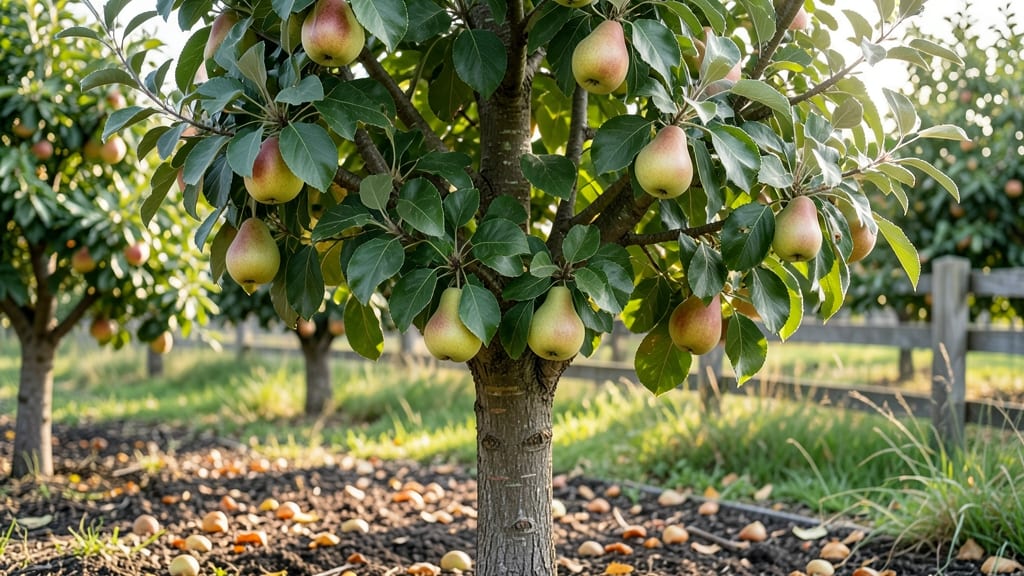
Precision trimming turns your Asian fruit tree into a year-round harvest machine. ✂️ I’ve pruned lychees, longans, and mangoes for years, and the difference between a tree that fruits sporadically and one that produces reliably comes down to timing, technique, and a little strategic cutting.
The key is understanding each tree’s natural growth cycle—some like lychees need aggressive pruning in late winter, while mangoes respond better to lighter trims after harvest. You’ll focus on three main goals: opening the canopy for sunlight, removing dead wood, and shaping the tree to encourage fruit-bearing branches.
Most people over-prune, which stresses the tree; I’ll show you how to strike the perfect balance.
By the end, you’ll have a tree that produces consistent, high-quality fruit year after year. The branches will be sturdy, the canopy will let light reach every fruit, and you’ll avoid the common pitfalls that lead to sparse harvests.
Even if you’ve never pruned before, this method is beginner-friendly with expert-level results.
Works for tropical and subtropical climates alike—whether you’re growing in Florida, California, or a backyard greenhouse. Let’s get those branches in shape for a bountiful season.
📚 In This Guide
- What you need
- Instructions
- Tips and common mistakes
- Wrapping up and next steps
What you need
- ● Pruning shears: Bypass pruners (sharp, 6–8" blade) for clean cuts on small branches.
- ● Loppers: 18–24" bypass loppers for thicker branches (up to 2" diameter).
- ● Pruning saw: Curved-tooth saw for branches >2" in diameter (e.g., mango limbs).
- ● Gloves: Heavy-duty, cut-resistant gloves (e.g., mechanix or gardening gloves).
- ● Disinfectant: 70% isopropyl alcohol or diluted bleach (1 part bleach to 9 parts water) to sterilize tools between cuts.
- ○ Sealing wax or pruning paste: (Optional but recommended) To coat large cuts and prevent disease entry.
- ● Ladder or step stool: Sturdy, extendable ladder (10–12 ft) for tall trees (e.g., jackfruit or durian).
- ● Tarp or drop cloth: To collect debris and protect surrounding areas.
- ● Sharpie or marker: For labeling cuts (e.g., "Remove in 6 months").
- ● Weather check: Prune on a dry, overcast day (avoid rainy or windy conditions).
- ● Safety glasses: Protect your eyes from debris.
- ● Long sleeves/pants: Wear lightweight, long-sleeved clothing to avoid scratches or thorns.
- ● Tree health assessment: Inspect for pests/diseases (e.g., anthracnose in lychee) before pruning.
- ● Local regulations: Check if your area requires permits for large tree work.
- ● 🔥 Sharpen tools first! Dull blades tear bark—ruining the tree’s healing process.
- ● ✨ Prune in stages: For heavy pruning (e.g., rambutan trees), spread it over 2–3 sessions to avoid stress.
- ● 🌡️ Season matters: Late winter/early spring (just before bloom) is ideal for most Asian fruit trees.
Step-by-Step guide to Asian fruit tree pruning
Precision trimming keeps your tree productive and healthy year-round—here's how to do it right.
✂️ Step 1: Prune During Dormant Season for Structural Shaping
Start in late winter or early spring, just before buds swell but while the tree is still dormant. This is the best time to remove dead, diseased, or crossing branches that compete for energy. I always use clean, sharp pruning shears to make cuts just outside the branch collar—the swollen area where the branch meets the trunk. This ensures proper healing and prevents disease entry.
Look for branches growing toward the center of the tree or rubbing against others. These need removal first. Make your cuts at a 45-degree angle about ¼ inch above an outward-facing bud. This encourages new growth in the right direction. Avoid heavy pruning—never remove more than 25% of the canopy in one session, or you risk stressing the tree.
☀️ Step 2: Thin the Canopy for Better Airflow and Sunlight
After the dormant season, focus on thinning the canopy during late spring or early summer to improve air circulation and sunlight penetration. Remove suckers—those vigorous, water-sprout-like shoots that grow at the base or along branches. These saplings drain energy from fruit production. Use hand pruners for smaller branches and loppers for thicker ones, always cutting back to a lateral branch or bud.
Watch for branches that are too dense—these create shaded areas where fruit won’t ripen properly. Aim to remove every 5th to 7th branch along the main scaffold to open up the tree. You’ll see new shoots emerge within 4-6 weeks, signaling that the tree is responding well to the pruning. This step is critical for preventing fungal diseases like powdery mildew, which thrives in damp, shaded conditions.
🌿 Step 3: Light Prune After Harvest to Encourage Next Year’s Fruit
Once the harvest is complete, give your tree a light maintenance trim in late summer or early fall. Focus on removing any remaining dead or diseased wood, as well as any branches that are growing too vigorously and stealing energy from fruit production. This is also the time to shape the tree slightly by trimming back any branches that are growing in an undesirable direction.
I like to make small cuts just above a leaf or bud, rather than heavy pruning. The goal here is to encourage new growth that will bear fruit next season. Avoid pruning too late in the fall, as new growth stimulated by late pruning may not harden off before winter. Stop pruning at least 6 weeks before the first frost to give the tree time to recover and prepare for dormancy.
⏰ Step 4: Winter Pruning for Damage Control and Preparation
If your tree suffered damage from winter storms or heavy fruit loads, do a light cleanup pruning in late winter. Remove any broken, split, or frozen branches first—they’re dead weight and can harbor pests. Then, assess the overall shape of the tree and make minor adjustments to maintain balance. This isn’t the time for heavy structural changes, just corrective trimming to keep the tree healthy.
Pay special attention to the crotches where branches meet the trunk or other branches. Weak crotches can split under the weight of fruit or ice. If you notice any that look vulnerable, prune back slightly to strengthen them. Finish by applying a wound dressing (like pruning sealant) only if the cut is larger than ½ inch in diameter. Smaller cuts don’t need sealing—they’ll heal faster on their own.
Tips & tricks for perfect Asian fruit tree pruning
Your tree's health—and your harvest—depend on these precision pruning secrets I've learned after years of trial and error.
Timing is Everything: The dormant season timing in Step 1 is non-negotiable for structural shaping. I've seen trees stressed when pruned too early—buds swell around late February in my zone, so I always finish by mid-March. The key is that buds should still be tight, not swollen. For tropical fruit trees, adjust to their natural dormant period, which might be different.
Branch Selection Strategy: When thinning in Step 2, prioritize branches that cross or rub against others first. These create wounds that invite disease. I use the "every 5th to 7th branch" rule as a starting point, but adjust based on your tree's natural shape. Remember that removing branches encourages the remaining ones to grow stronger—it's like giving your tree a spa day for better fruit production.
Crotch Strength Matters: Those branch crotches mentioned in Step 4 are critical weak points. I've seen professional trees split during heavy fruit seasons because of poor crotch angles. When pruning, aim for a V-shaped crotch where branches spread outward. If you see a U-shaped crotch (branches growing straight up), that's a red flag for potential future problems.
Pro Tips for Asian Fruit Tree
- Your tree's health—and your harvest—depend on these precision pruning secrets I've learned after years of trial and error.
- Timing is Everything: The dormant season timing in Step 1 is non-negotiable for structural shaping.
- Branch Selection Strategy: When thinning in Step 2, prioritize branches that cross or rub against others first.
Frequently asked questions
Got questions about pruning your Asian fruit tree for year-round harvests?
You’re not alone! Here are some of the most common queries—and straightforward answers—to help you trim with confidence.
When is the best time to prune my Asian fruit tree?
The ideal time depends on your tree’s type and climate. For most Asian fruit trees (like lychee, longan, or mangosteen), late winter or early spring (just before new growth starts) is best. Avoid heavy pruning during fruiting seasons—focus on light shaping instead. Pro tip: Tropical varieties may need year-round light trims to manage growth!
How much can I prune without harming the tree?
Never remove more than 25-30% of the tree’s canopy in a single session. Over-pruning stresses the tree, reducing fruit production. Prioritize dead, diseased, or crossing branches first, then thin out dense areas. Pro tip: Use sharp tools to make clean cuts—ragged edges invite pests!
Will pruning increase my fruit yield?
Yes! Strategic pruning boosts airflow and sunlight penetration, which improves fruit quality and quantity. Remove water sprouts (shoot-like growths) and suckers (shoots from the base) to redirect energy to fruit-bearing branches. Pro tip: Balance pruning with fertilization for best results!
What should I do if my tree isn’t fruiting after pruning?
Several factors could be at play: age (young trees need 3–5 years to bear fruit), nutrient deficiencies, or improper pruning. Check soil pH (most Asian fruit trees prefer 6.0–7.0), ensure full sun exposure, and avoid heavy pruning during flowering. Pro tip: Hand-pollinate flowers if bees are scarce!
Are there alternatives to traditional pruning for small spaces?
Try espalier training (growing trees flat against a wall) or dwarf varieties (like some citrus or fig types). For container-grown Asian fruit trees, topiary pruning keeps them compact. Just ensure they still get 6+ hours of sunlight daily. Pro tip: Use trellises to guide growth upward!
Wrapping up and next steps
Mastering the art of pruning your Asian fruit tree unlocks a world of abundant harvests and healthier growth—year after year! 🌿 Whether you’re trimming for shape, fruit production, or disease prevention, precision trimming ensures your tree thrives.
Now that you’re armed with the right tools, techniques, and seasonal tips, it’s time to roll up your sleeves and give your tree the care it deserves.
Ready to take the next step? Start small—pick one pruning session this season and observe the changes. Over time, you’ll refine your skills and enjoy bountiful, delicious fruit straight from your backyard. Happy pruning! 🍑✨