
Landscaping
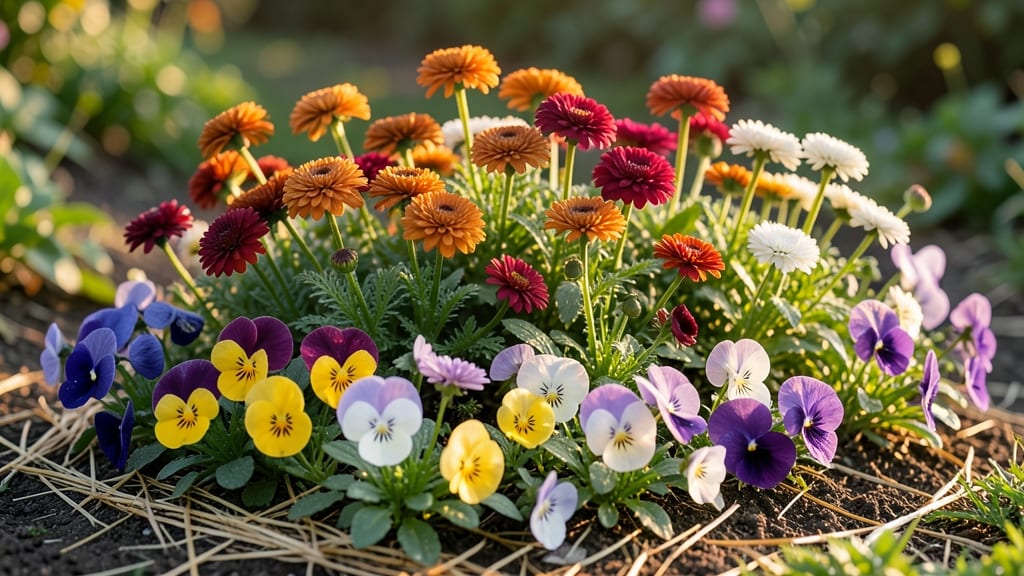
Transform your garden into a vibrant, pollinator-friendly haven with these 10 annual flower bed ideas. Each design delivers year-round color while supporting bees, butterflies, and hummingbirds—perfect for both beginners and experienced gardeners.
Sunny Border with Black-Eyed Susans
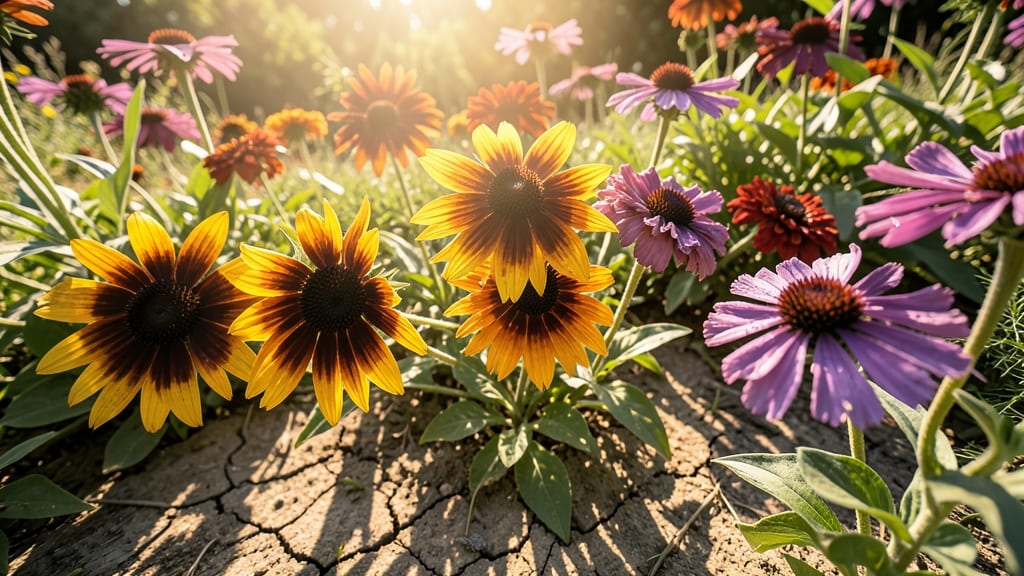
If you have a full-sun spot that feels too hot for most plants, black-eyed Susans (Rudbeckia hirta) are your secret weapon. This trio of bold bloomers—golden black-eyed Susans, deep purple coneflowers (Echinacea), and fiery marigolds—not only survives scorching afternoons but thrives in them, demanding almost no extra water once rooted.
Plant them in well-draining soil with 6 hours of sun daily for maximum impact. The marigolds repel pests naturally, while the coneflowers and black-eyed Susans provide nectar for butterflies from early summer through frost. Deadhead spent blooms to encourage nonstop color, and watch as your border becomes a butterfly buffet with minimal effort. 🌻
Shade-Loving Impatiens and Begonias
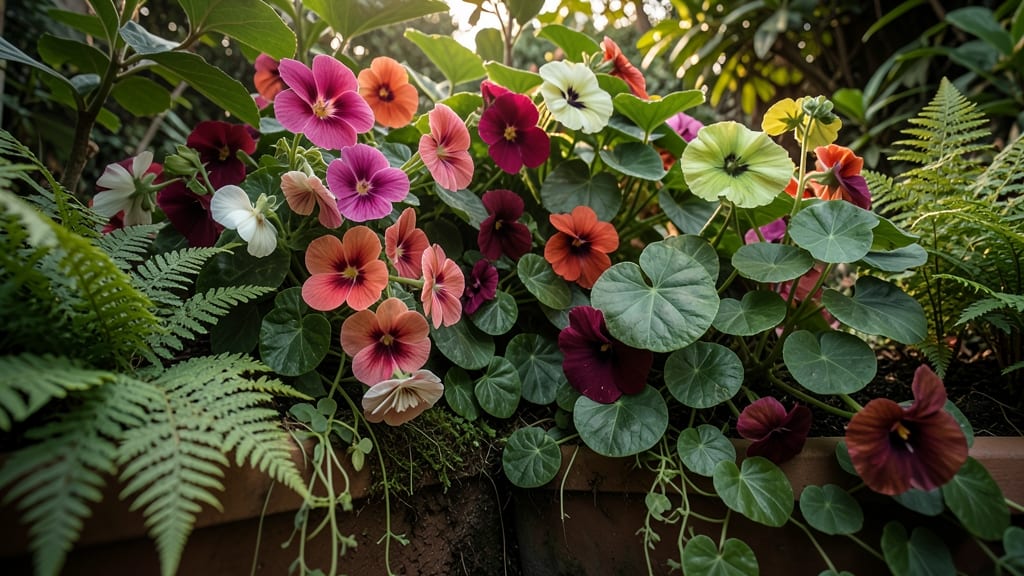
Tired of struggling with sparse blooms in your shady spots? Impatiens, begonias, and ferns transform dark corners into vibrant, jungle-like displays—no sunlight required. This trio thrives where most annuals fail, offering nonstop color from spring to frost with minimal effort.
For best results, plant impatiens (for cascading blooms) alongside begonias (with their velvety leaves) and fern fronds for texture. Keep soil consistently moist—these plants love humidity—and deadhead faded blooms weekly to encourage more flowers. This combo works brilliantly in hanging baskets, window boxes, or as ground cover under trees. 🌿
Pollinator Paradise with Lavender and Cosmos
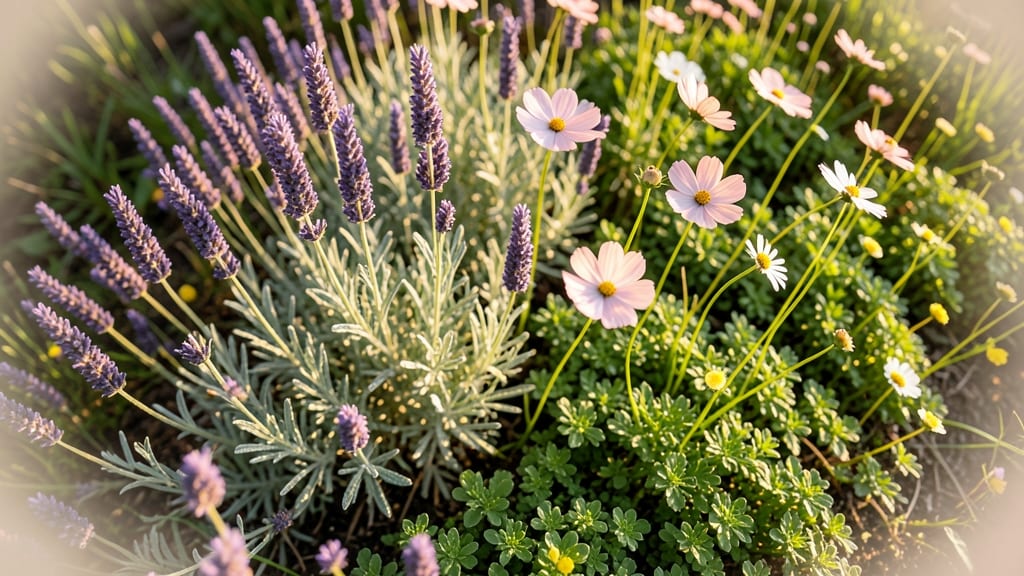
Skip the high-maintenance blooms—this pollinator paradise delivers fragrance, color, and buzzing activity with minimal fuss. Pair lavender (for its soothing scent and silvery foliage) with cosmos (tall, airy stems that sway in the breeze) and thymes (ground-hugging greenery that repels pests). Together, they create a drought-resistant trio that thrives in 6 hours of sun and attracts bees, butterflies, and hummingbirds all season long.
The secret to this design lies in its layered structure: plant lavender in the back (3-4 feet tall) as the focal point, cosmos in the middle (3-5 feet) for vertical height, and thymes in the front (6-12 inches) to fill gaps and deter weeds. All three plants share similar water needs—water deeply once a week—making them perfect for busy gardeners or container plantings on patios and balconies.
This fragrant combo is ideal for cottage gardens, urban courtyards, or even window boxes, offering both beauty and functionality. Plus, the aromatic lavender doubles as a natural insect repellent, keeping your garden thriving. 🌿
Drought-Tolerant Succulent Mix
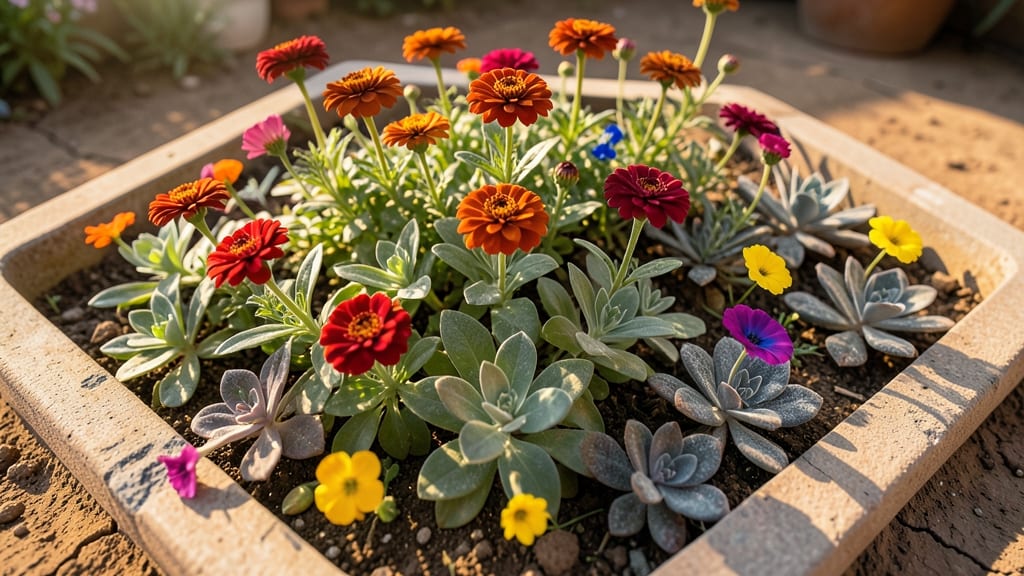
Tired of watering every other day? This drought-tolerant mix of zinnias, portulaca, and sedum thrives with minimal care while delivering bold color and texture—no guilt required. The secret lies in their ability to store water in thick leaves and stems, making them perfect for xeriscaping or urban rooftops where resources are limited.
Start with zinnias for their vibrant blooms that attract butterflies, pair them with portulaca (a succulent-like annual) for trailing foliage, and tuck in sedum for drought-proof ground cover. Plant in well-draining soil and water deeply but infrequently—once established, they’ll survive on rainfall alone. This combo handles poor soil and intense heat, making it ideal for hot, sunny spots where other plants wilt.
City dwellers and eco-conscious gardeners will love this zero-fuss design—it’s the ultimate low-maintenance solution for busy schedules or water-restricted areas. 🌻
Hummingbird Haven with Fuchsias and Salvias
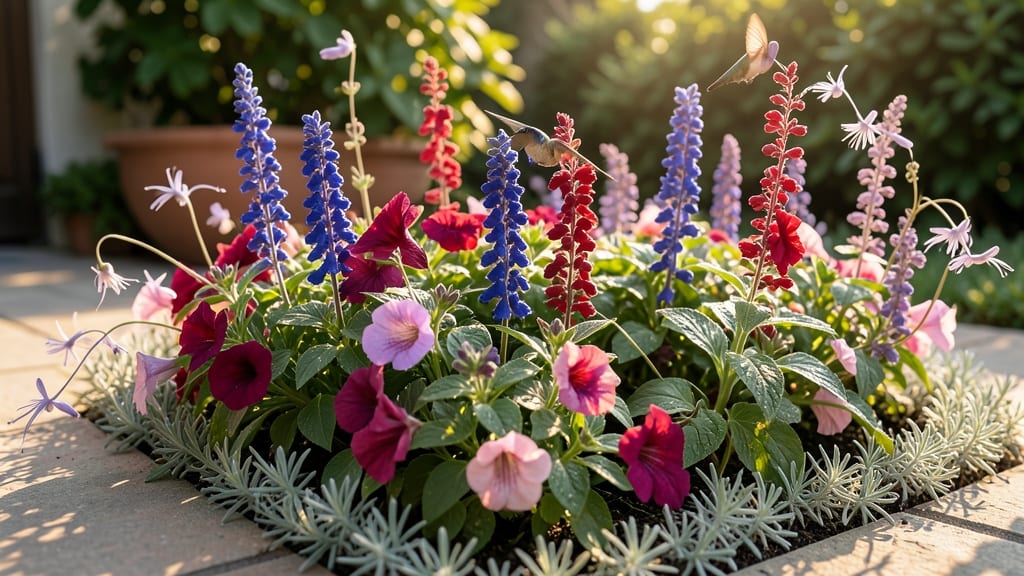
Turn your garden into a living postcard by creating a hummingbird haven where these tiny acrobats will visit daily. The secret? A trio of nectar-rich annuals—fuchsias, salvias, and cleomes—whose tubular blooms are irresistible to hummingbirds. Position this bed near a patio or window for front-row seats to their aerial ballet.
Start by planting fuchsias in hanging baskets or at the front for their cascading blooms, followed by upright salvias (like Salvia coccinea) in the middle for their vibrant red spikes. Tuck cleomes (spider flowers) at the back—their spiky seed pods add texture and late-season interest. All three thrive in morning sun to afternoon shade and need regular watering to keep blooms abundant. Deadhead spent flowers weekly to encourage nonstop blooming from spring until frost.
This design is perfect for gardeners who love colorful, low-maintenance annuals with a wildlife twist. The hummingbirds will reward you with daily visits, while the vibrant blooms bring joy year-round. 🌻
Whimsical Wildflower Meadow
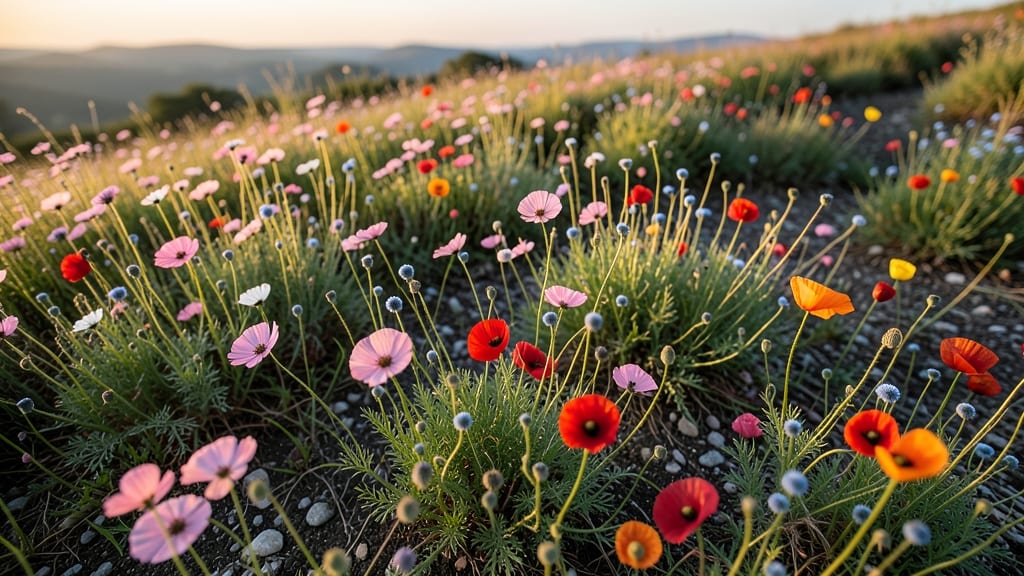
Ditch the rigid garden beds and embrace the charm of a whimsical wildflower meadow—where nature takes the lead with minimal effort from you. This effortless design thrives on spontaneity, blending cosmos, bachelor’s buttons, and poppies into a sea of color that self-seeds year after year.
Plant seeds directly into the soil in late spring after the last frost, spacing them loosely for a natural, wild look. These self-sowing annuals return stronger each season, creating a low-maintenance spectacle that butterflies and bees adore. Add a mix of heights—tall cosmos as accents, mid-height poppies, and low-growing bachelor’s buttons—for depth and movement.
Ideal for large open spaces, meadows require almost no upkeep beyond an initial clearing of weeds. Perfect for gardeners who love a relaxed, wild garden aesthetic without the fuss of formal planting. 🌻
Container Garden with Petunias and Snapdragons
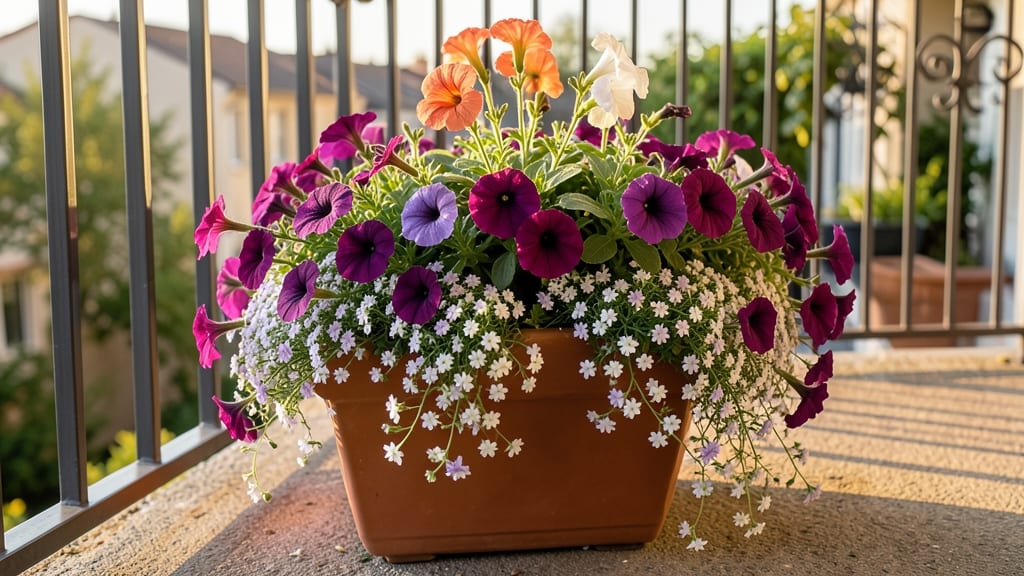
Turn even the tiniest balcony into a blooming oasis with a container garden featuring petunias, snapdragons, and sweet alyssum. This cascading combo maximizes vertical space while drawing in bees, butterflies, and hummingbirds with its fragrant, colorful display.
Plant petunias (for trailing cascades) and snapdragons (for upright height) alongside sweet alyssum (for delicate ground cover) in a 12-14 inch pot with well-draining soil. Water consistently to keep the soil moist but not soggy, and fertilize every 2-3 weeks for continuous blooms. Deadhead spent flowers to encourage more blooms and create a fuller look.
This design is perfect for urban gardeners or anyone with limited space—it brings the beauty of a flower bed without requiring a yard. Plus, the mix of textures and colors creates a pollinator magnet that thrives in full sun to partial shade. 🌻
Moon Garden with White and Silver Flowers
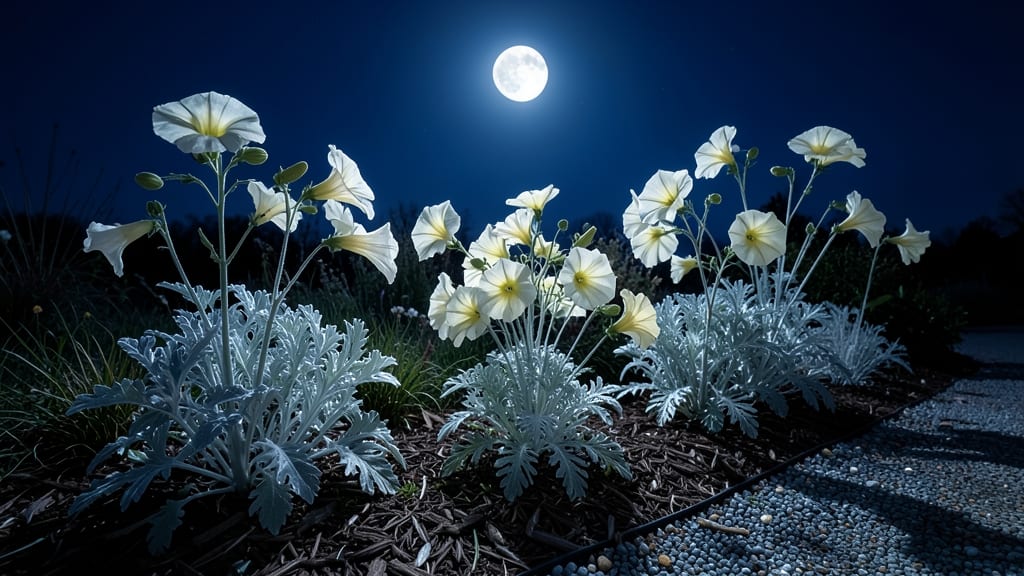
Transform your garden into a moonlit sanctuary with a moon garden that comes alive after dark. This enchanting design features white datura, silver dusty miller, and moonflowers, which reflect moonlight beautifully while attracting nocturnal pollinators like moths for a magical evening display.
Plant datura (with its fragrant, trumpet-shaped blooms) and moonflowers (which open only at night) in well-drained soil with full sun to partial shade. The silver foliage of dusty miller adds texture and contrasts stunningly against the white blooms. For extra drama, add night-blooming jasmine or evening primrose to extend the show.
This dreamy design is perfect for gardeners who love romantic, low-light spaces or want to create a serene retreat for evening strolls. 🌿
Edible Flower Border with Nasturtiums and Calendula
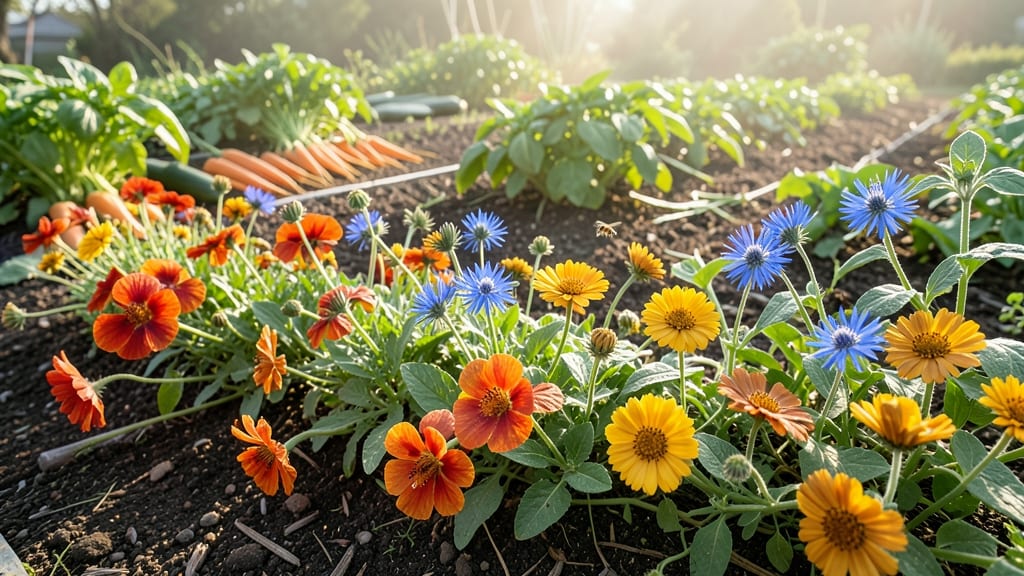
Turn your kitchen garden into a feast for both your table and your eyes with an edible flower border that doubles as a pest-repelling powerhouse. Nasturtiums, calendula, and borage bring bold colors while keeping aphids and squash bugs at bay—nature’s built-in protection for your veggies.
Sow nasturtiums (orange/yellow) and calendula (golden) directly in spring after frost, spacing them 12–18 inches apart. Let borage self-seed for its star-shaped blue blooms and cucumber-like leaves. All three thrive in full sun to partial shade and tolerate poor soil—just keep them evenly moist.
This border is perfect for urban gardeners with small spaces or anyone who loves harvesting fresh garnishes. Toss petals into salads, infuse oils with calendula, or brew borage tea—your garden will be as beautiful as it is useful. 🌻
Seasonal Transition Bed with Cool and Warm Season Picks

Say goodbye to bare patches between seasons with a seasonal transition bed that bridges the gap between cool and warm-season blooms. This clever design keeps your garden vibrant from early spring through late fall by layering pansies and violas (which thrive in cooler weather) with mums and asters (perfect for autumn).
The secret lies in strategic placement: plant pansies and violas in the front for early color, then layer mums and asters behind them to take over as temperatures rise. Both groups love full sun to partial shade, making this bed versatile for most garden spots. Deadhead spent blooms weekly to encourage continuous flowering—your reward will be a seamless color shift that feels intentional, not accidental.
This approach is a game-changer for gardeners who dread seasonal gaps or live in transitional climates. With minimal effort, you’ll enjoy a bed that’s always in bloom, proving that the best gardens are the ones that adapt with the seasons. 🌻