
Flowers
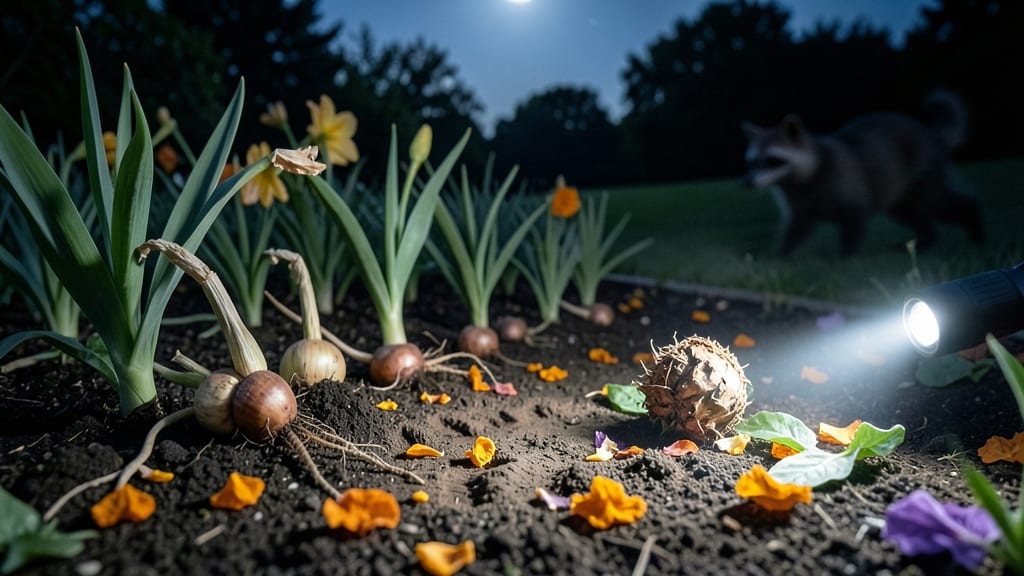
What is digging in my flower bed at night isn’t just frustrating—it’s a sign of unwelcome visitors. 🌙 I’ve spent years tracking down these midnight gardeners, and the damage they leave behind can turn a thriving bed into a mess of tunnels and unearthed bulbs.
The first step is figuring out who’s really responsible: moles, voles, raccoons, or something else entirely.
Moles create neat, winding tunnels just below the surface, while voles leave shallow, irregular paths and chewed plants. Raccoons, on the other hand, dig messy holes and often scatter debris—plus, they might leave behind paw prints or even dropped food scraps.
Each leaves clues, and knowing what to look for saves you from guessing.
Once you identify the culprit, you can take targeted action—whether it’s humane traps, natural deterrents, or simple fixes like fencing or repellent plants. The goal isn’t just to stop the digging but to protect your garden without harming the wildlife that calls it home.
This isn’t just about fixing the problem—it’s about restoring peace to your garden. With the right approach, you can reclaim your flower beds and keep them safe for seasons to come. Let’s get started on solving this mystery together.
Nocturnal Garden Intruders Explained
If you’ve ever heard the unmistakable sound of something tunneling through your flower bed after dark, you’re not alone. 🌙🐾 These midnight excavators aren’t just causing chaos—they’re driven by instinct, survival needs, or even opportunistic behavior.
Understanding why they’re digging at night helps you take targeted action. Below, we break down the key reasons behind their nocturnal activity, backed by science and real-world observations.
Many nocturnal diggers are primarily motivated by hunger, and your flower bed might be an all-you-can-eat buffet. Different creatures seek different types of food, which influences their digging habits.
- Moles 🦊: These subterranean mammals are insectivores, meaning their diet consists almost entirely of grubs, worms, and larvae. Their highly sensitive snouts detect soil vibrations and chemical cues from prey, guiding them to dig tunnels where these insects thrive. Since moles have no external eyes, they rely on their whiskers and hearing to navigate underground—making nighttime a safer, less disruptive time to forage.
- Voles 🐭: Often called "field mice," voles are herbivores that gnaw on roots, bulbs, and tender plant stems. They dig shallow tunnels or surface runways to access food, especially in cooler months when above-ground vegetation is scarce. Their nocturnal activity reduces competition with diurnal rodents and predators like owls or hawks.
- Raccoons 🦝: While not exclusive to nighttime, raccoons are omnivorous opportunists that dig to uncover grubs, worms, or even buried trash. Their dexterous paws make them efficient at flipping soil and leaves to expose hidden snacks. Raccoons are also crepuscular (most active at dawn and dusk), but they’ll dig late into the night if food is abundant.
Pro Tip: 💡 If you notice fresh mounds of soil or chewed plants, set out baited traps or repellents (like castor oil for voles) near active digging sites. For raccoons, secure trash cans and remove potential food sources from your yard.
Some animals dig not just for food, but to create safe havens or establish dominance. Their behavior is tied to instinctual needs for shelter, breeding, or communication.
- Moles 🦊: While they don’t build traditional nests, moles create bolt holes (vertical tunnels) that serve as escape routes and potential nesting sites. Females may dig slightly larger chambers for raising young, which can appear as irregular mounds. Their digging also helps aerate soil, but their primary goal is survival—not landscaping.
- Voles 🐭: These rodents dig shallow burrows to hide from predators and store food. Their tunnels often connect to multiple entrances, creating a labyrinthine network. During mating season, males may dig aggressively to mark territory or impress females, leading to sudden increases in surface disturbances.
- Raccoons 🦝: Raccoons dig to create den sites in dense vegetation or under decks. They may also dig to cache food (bury snacks for later) or to play—yes, raccoons are known for their curious, almost "puppy-like" digging behavior, especially in urban areas.
Pro Tip: 🌡️ To discourage nesting, remove dense ground cover where voles or raccoons might hide. For moles, disrupt their tunnels with sonic repellents (high-frequency sounds they dislike) or install underground barriers.
Nighttime provides a natural advantage for small animals: cover of darkness. By digging under the cloak of night, they reduce their risk of being spotted by predators or startled by human activity.
- Moles 🦊: As blind, subterranean creatures, moles are vulnerable to birds of prey (like hawks or owls) and larger mammals. Digging at night minimizes their exposure, especially in areas with active daytime predators.
- Voles 🐭: These rodents are prey for snakes, foxes, and domestic cats. Their nocturnal digging helps them avoid detection while foraging or moving between burrows. They also rely on chemical signals in soil to navigate, making nighttime safer for exploration.
- Raccoons 🦝: While raccoons are bold, they still avoid unnecessary risks. Digging at night reduces encounters with humans or dogs, which might otherwise disrupt their feeding or nesting routines.
Pro Tip: ✨ If you want to deter nocturnal diggers, install motion-activated lights or sprinklers near active areas. The sudden disruption (light or water) can startle them into moving on.
Digging patterns often spike during specific times of year due to changes in food availability, weather, or reproductive cycles.
| Season | Trigger | Likely Culprit |
|---|---|---|
| Spring | Warm soil awakens grubs and larvae | Moles, voles |
| Summer | Drought forces animals to dig deeper for moisture | Voles, raccoons |
| Fall | Mating season increases territorial digging | Voles, raccoons |
| Winter | Snow cover forces surface digging for food | Moles, voles |
Pro Tip: 🎯 Monitor digging activity by season—if you notice a sudden uptick in spring, for example, focus on mole repellents. In fall, secure compost piles and remove potential nesting materials to reduce vole activity.
Stop Nighttime Garden Invaders
Discovering mysterious digging in your flower bed at night can be frustrating, but the good news is that most of these critters can be deterred or managed with the right strategies.
Below, we break down solutions tailored to each likely culprit—moles, voles, or raccoons—along with prevention tips to keep your garden safe and thriving.
Moles create tunnels and mounds while searching for grubs and insects. Since they’re primarily underground, your goal is to make their environment less appealing.
🔥 Trap Them Humanely
- Use castor oil-based repellents: Moles dislike the taste and smell. Spray it around the perimeter of your flower bed and along their tunnels. (Reapply after rain.)
- Set up mole traps: Place bucket traps or scissor traps near active tunnels. Check them daily to avoid harming other wildlife.
- Try ultrasonic repellents: These emit high-frequency sounds that moles find irritating. Place them near problem areas.
🌱 Modify Their Habitat
- Remove their food sources: Reduce grubs and insects by keeping your lawn healthy, watering deeply but less frequently, and avoiding over-fertilizing.
- Install hardware cloth barriers: Bury a ¼-inch mesh around garden beds to block moles from tunneling underneath.
💡 Prevention Tips
- Plant mole-resistant flowers: Daffodils, marigolds, and alliums are often avoided by moles.
- Keep the area dry: Moles prefer moist soil, so improve drainage in problem spots.
Voles chew through roots and create shallow, irregular tunnels near the surface. They’re more destructive than moles and harder to spot until damage appears.
🍳 Set Up Exclusion Barriers
- Install hardware cloth tunnels: Bury a 1-inch mesh around garden beds and secure it with stakes. Voles can’t gnaw through it.
- Use raised beds: Elevate vulnerable plants in containers or raised beds to prevent voles from reaching them.
👨🍳 Use Snap Traps or Live Traps
- Snap traps with peanut butter: Place them along vole runways (look for chewed plants or small holes). Check traps frequently.
- Live traps: Relocate voles far from your garden (at least 5 miles away) to avoid them returning.
🥘 Natural Deterrents
- Predator urine: Fox or coyote urine (available at garden stores) can scare voles away. Reapply every few weeks.
- Castor oil or hot pepper spray: Spray directly on tunnels and entry points.
✨ Prevention Tips
- Remove hiding spots: Keep grass short and eliminate brush piles near your garden.
- Plant vole-resistant flowers: Lavender, boxwood, and hostas are less appealing to voles.
Raccoons are intelligent and destructive, often digging up bulbs, uprooting plants, and even tearing through mulch. They’re nocturnal, so they’re active when you’re not.
🔪 Secure Your Garden
- Install motion-activated lights or sprinklers: These startle raccoons and discourage them from returning.
- Use heavy-duty fencing: Bury the fence at least 12 inches deep and extend it 3 feet outward to prevent climbing.
🎯 Remove Food Sources
- Store trash securely: Use raccoon-proof bins with locking lids.
- Harvest ripe fruit immediately: Don’t leave fallen fruit or vegetables in the garden overnight.
- Avoid leaving pet food out: Even small amounts can attract raccoons.
🌡️ Natural Scare Tactics
- Ammonia-soaked rags: Place them near entry points. The strong smell deters raccoons.
- Predator decoys: Use fake owls or coyotes, but move them frequently so raccoons don’t get wise.
💡 Prevention Tips
- Trim tree branches: Raccoons use them to climb into gardens. Keep branches at least 8 feet away from rooftops.
- Install a raccoon-proof chimney cap: If they’re getting into your home, seal off entry points.
- Monitor regularly: Check your garden weekly for new digging or damage.
- Combine methods: Use a mix of repellents, barriers, and traps for better results.
- Be patient: Some solutions take time to work. Consistency is key!
By identifying the culprit and applying these targeted solutions, you’ll reclaim your flower bed and enjoy a peaceful, pest-free garden. 🌸
Frequently asked questions
How can I tell if it’s a mole or a vole digging in my flower bed?
Moles create neat, winding tunnels with volcano-shaped mounds of soil—about 2-4 inches wide—while voles leave shallow, irregular paths and chewed plant stems. Moles rarely surface, but voles often leave small surface holes and gnawed roots. Check for these clues to identify your midnight digger!
Will motion-activated sprinklers really scare off raccoons?
Yes! Raccoons are startled by sudden water bursts and will avoid areas where they’re triggered. Install them near active digging sites, but place them 2-3 feet away from plants to avoid damaging foliage. Combine with securing trash cans for best results.
Are there any plants that naturally repel nocturnal diggers?
Plant daffodils, marigolds, or alliums to deter moles, and lavender or boxwood to discourage voles. Raccoons dislike garlic or castor bean plants—their strong scents make digging areas less appealing. These act as natural barriers while adding beauty to your garden!
Can I use castor oil for all types of digging pests?
Castor oil works best for moles and voles—its bitter taste and smell repels them. For raccoons, focus on securing food sources instead. Spray it directly on tunnels or entry points, but reapply after rain. It’s non-toxic and safe for plants, making it a great eco-friendly option!