
Tools
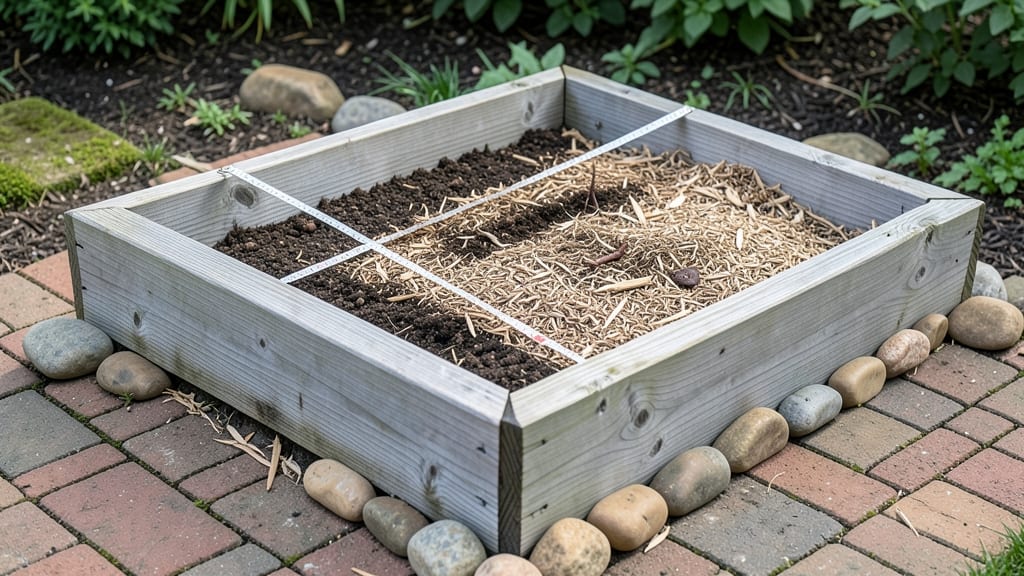
Standard raised garden bed sizes typically range between 4 feet wide by 8 feet long and 4 feet deep, maximizing accessibility while optimizing soil volume and plant spacing for efficient gardening. Most designs prioritize 4-foot widths to allow easy reach from both sides without stepping inside the bed.
Choosing the right raised bed dimensions balances practical gardening needs with physical comfort.
A 4-foot width is ideal because it lets you stand on both sides without crowding, making it perfect for gardeners of all mobility levels. 🌱 The 8-foot length provides enough space for full-size plants like tomatoes and peppers while keeping the bed manageable for turning soil or harvesting.
Depth matters too—10-12 inches of soil gives roots plenty of room to grow, while 4 feet ensures stability and drainage.
For smaller spaces, you can adjust dimensions while maintaining the same principles. For example, a 3-foot-wide bed still allows easy access, while a 12-foot-long bed works well for row crops like carrots or beans. Just remember to keep the width manageable so you can reach the center without straining.
💡 In This Article
- Why 4x8 Feet Is the Ideal Raised Garden Bed Dimension
- Customizing Raised Bed Sizes for Specific Plants and Spaces
Why 4x8 feet is the ideal raised garden bed dimension
The 4-foot width of standard raised beds isn't arbitrary—it's rooted in human ergonomics and plant biology. When you stand on either side of a 4-foot bed, your arm can comfortably reach the center without overstretching.
Studies show this width allows gardeners to tend plants without bending awkwardly or stepping inside, reducing soil compaction and back strain. 🌿 For shorter individuals or those with limited mobility, this dimension ensures all areas remain accessible without compromising comfort.
Horticulturally, this width creates the perfect balance for plant spacing. A 4-foot width accommodates two rows of full-size plants (like tomatoes or peppers) on each side, with a 12-inch aisle in the center for easy movement.
The 8-foot length provides enough growing space for 4-6 plants per row while keeping the bed manageable for soil turning and harvesting. This layout maximizes yield without overwhelming small gardens, making it ideal for both beginners and experienced growers.
The 10-12 inch depth is crucial for root development. Most vegetables need at least 10 inches of soil to thrive, while deeper-rooted plants like asparagus require 12 inches. This depth also prevents soil compaction from foot traffic while allowing proper drainage—critical for preventing root rot.
The 4-foot height (including soil) provides stability and prevents the bed from tipping while keeping materials manageable for construction.
What most gardeners don't realize is how this dimension affects soil volume and heat retention. A 4x8x1-foot bed contains about 32 cubic feet of soil—enough to support diverse plantings without excessive watering needs.
The width-to-length ratio also creates microclimates: the center stays slightly warmer than the edges, which can be advantageous for cool-season crops like lettuce planted along the perimeter. This thermal layering happens naturally due to the bed's proportions.
Consider how these dimensions compare to other layouts. A 3-foot-wide bed works for single-row planting but requires stepping inside to reach the center, increasing soil compaction. Conversely, a 5-foot-wide bed becomes difficult to maintain from one side, especially for taller plants.
The 4x8-foot standard strikes the perfect balance between accessibility, plant spacing, and soil management—making it the gold standard for raised bed gardening. 🌱
For those with limited space, you can maintain these principles by adjusting proportions. A 3x6-foot bed retains the same accessibility benefits while fitting into smaller yards. The key is always keeping the width manageable for your reach and the length proportional to your planting goals.
This modular approach lets you customize without sacrificing the core benefits of the standard design.