
Landscaping
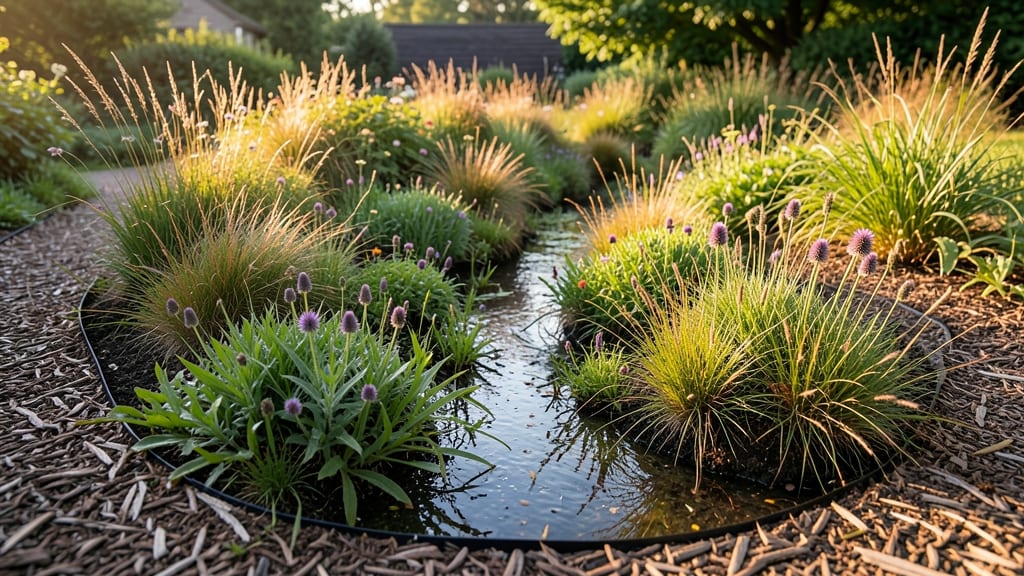
Rock flower beds aren’t just beautiful—they’re functional, preventing erosion while adding texture to your garden. These 10 creative designs blend native plants, strategic rock placement, and drought-resistant layers to create low-maintenance landscapes that thrive year-round.
Stepping Stone Meadow with Wildflowers
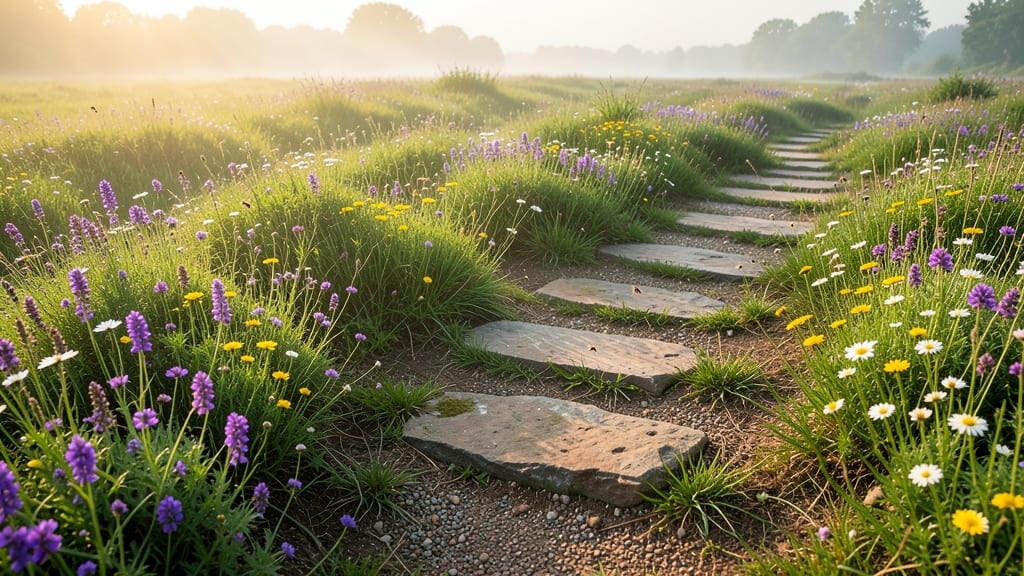
Transform your cottage garden into a pollinator paradise with a stepping stone meadow that blends rustic charm with ecological benefits. This design replaces rigid paths with irregularly placed stones surrounded by wildflower clusters, creating a natural, low-maintenance look that reduces soil compaction while inviting bees, butterflies, and hummingbirds to visit.
Start by selecting flat, stable stones (like slate or fieldstone) and burying them halfway into the soil, leaving gaps for wildflowers like black-eyed Susans, purple coneflowers, and goldenrod to thrive. Space stones 2-3 feet apart to allow easy foot traffic while maintaining an organic feel. For best results, plant wildflower seeds in early spring or fall, ensuring the soil stays moist until germination.
This design is perfect for gardeners who love the whimsical, untamed look of cottage gardens but want to minimize weeds and erosion. Plus, the wildflowers will reward you with vibrant blooms from early summer through fall—all while supporting local ecosystems. 🌻
Alpine Rock Garden for Drought-Tolerant Succulents
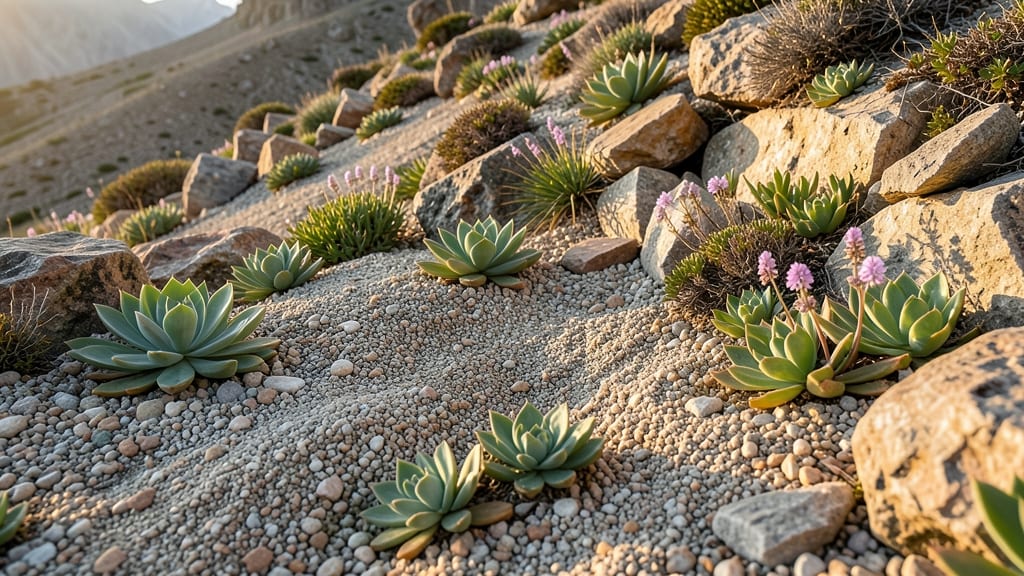
If you live in a dry climate and dread watering bills, an alpine rock garden is your secret weapon. This design mimics the rugged beauty of mountain slopes, where succulents thrive with just a sprinkle of water every few weeks. The key? A mix of small gravel and pebbles that mimics natural alpine soil while preventing moisture loss.
Start with a base of sharp gravel (about 2-3 inches deep) to improve drainage, then layer in well-draining soil mixed with perlite. Plant sedum, hens-and-chicks (sempervivum), and ice plants (delosperma) in clusters, leaving space between them for air circulation. The rocks don’t just look stunning—they also reflect sunlight away from the soil, reducing evaporation. For extra drama, add larger flat stones as accents to create natural tiers.
This design is perfect for urban gardeners with limited water access or first-time rock gardeners who want a low-maintenance, high-impact look. Plus, the year-round color from these hardy plants means your garden stays vibrant without extra effort. 🌱
Bog Garden with Moisture-Loving Perennials
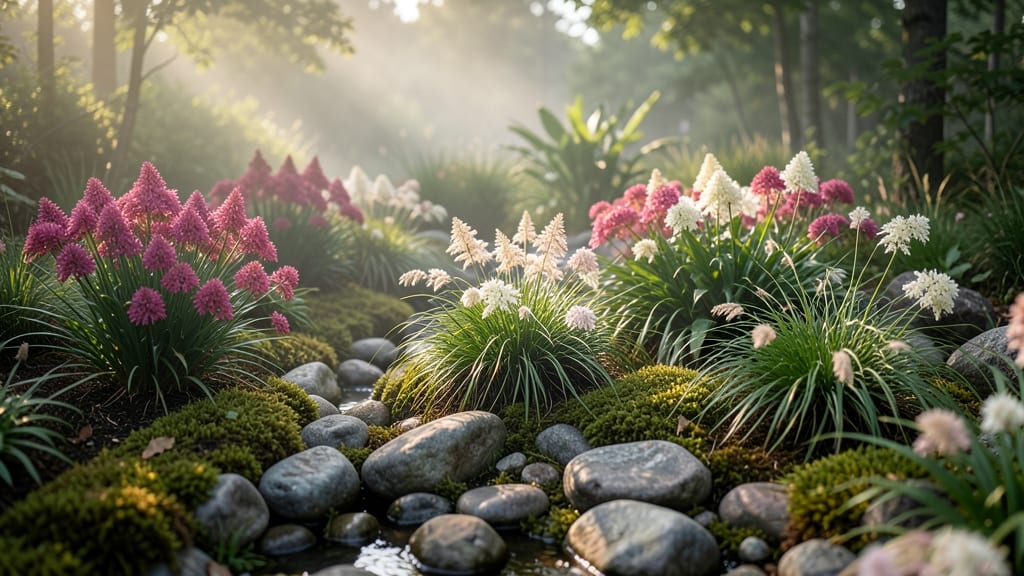
Turn that perpetually soggy corner of your yard into a vibrant oasis with a bog garden—where moisture-loving perennials thrive instead of rot. This design combines smooth river rocks and peat moss to create a stable, water-retentive base that prevents erosion while supporting plants like astilbe, hostas, and ferns that adore damp conditions.
Start by digging a shallow depression (6–12 inches deep) in the soggy area, then layer crushed gravel at the bottom for drainage before adding a mix of peat moss and garden soil. Place flat river rocks along the edges to contain the bed while allowing excess water to drain naturally. Plant hostas and ferns in clusters, interspersing them with astilbe for feathery plumes that add height and texture.
This low-maintenance design is perfect for gardeners with wet soil challenges—no more muddy patches or wasted space. The rocks and plants work together to stabilize the ground while creating a lush, year-round display that hums with life. 💚
Sunken Rock Border for Climbing Roses
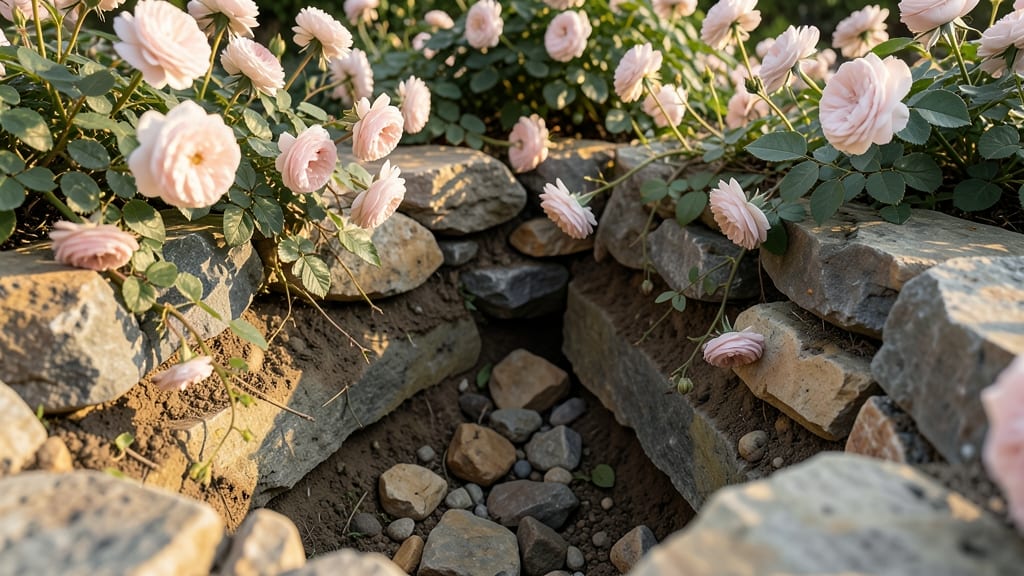
Want to add a touch of romance and structure to your garden without sacrificing durability? A sunken rock border for climbing roses creates a stunning, erosion-resistant foundation that elevates your landscape while keeping roots secure.
Start by digging a shallow trench (about 6 inches deep) along your desired border line. Place flat stones like slate or fieldstone edge-down in the trench, leaving just the top edges visible. This creates a natural ledge for ‘Knock Out’ roses or ‘David Austin’ climbers to twine upward, while the stones anchor the soil below. For extra stability, layer gravel at the base before adding soil—this improves drainage and prevents root rot. Mulch with wood chips around the base to retain moisture and suppress weeds.
This design is perfect for gardeners who love year-round interest and want to minimize maintenance. The sunken border keeps roses off the ground, reducing disease risk, while the rocks provide a timeless, elegant backdrop that complements any garden style. 🌻
Desert-Inspired Gravel Crest with Cacti
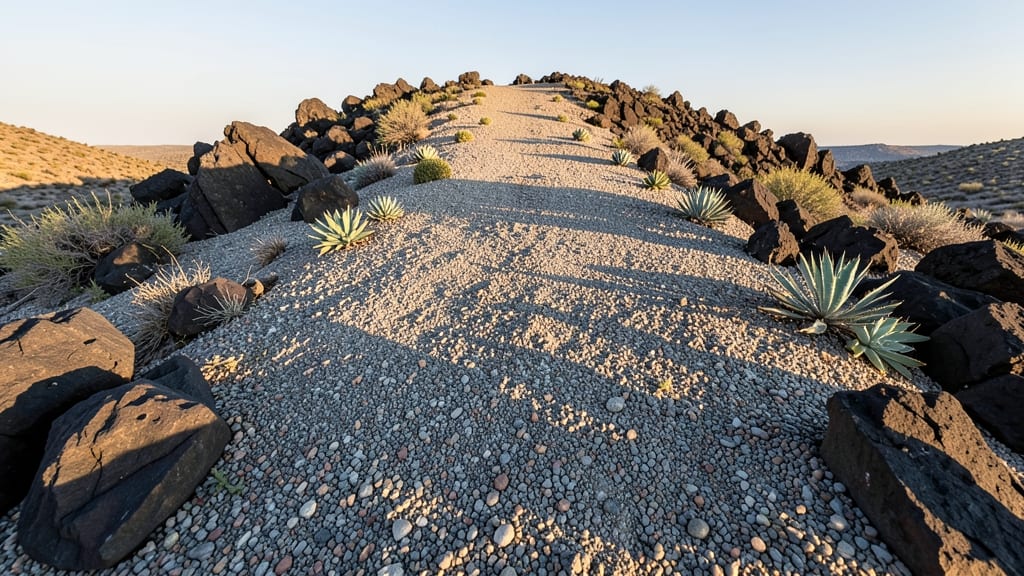
Bring the drama of the desert into your yard with a gravel crest that’s as tough as it is striking. This design replaces traditional soil with coarse gravel and large basalt rocks, creating a rugged, erosion-proof landscape that thrives on neglect—perfect for busy gardeners or water-conscious regions.
Start by layering 3-4 inches of gravel over a weed barrier, then nestle barrel cacti, agave, and yucca into the gaps between rocks. These drought-tolerant plants need watering only every 2-3 weeks once established, and their deep roots help stabilize the soil. For extra texture, scatter smooth basalt rocks in varying sizes—this mimics natural desert formations while preventing erosion from rain or wind.
This design is ideal for urban yards with slopes, dry climates, or areas prone to runoff. It’s also a wildlife magnet, attracting hummingbirds and bees without the upkeep of traditional flower beds. 🌻
Woodland Edge with Ferns and Moss
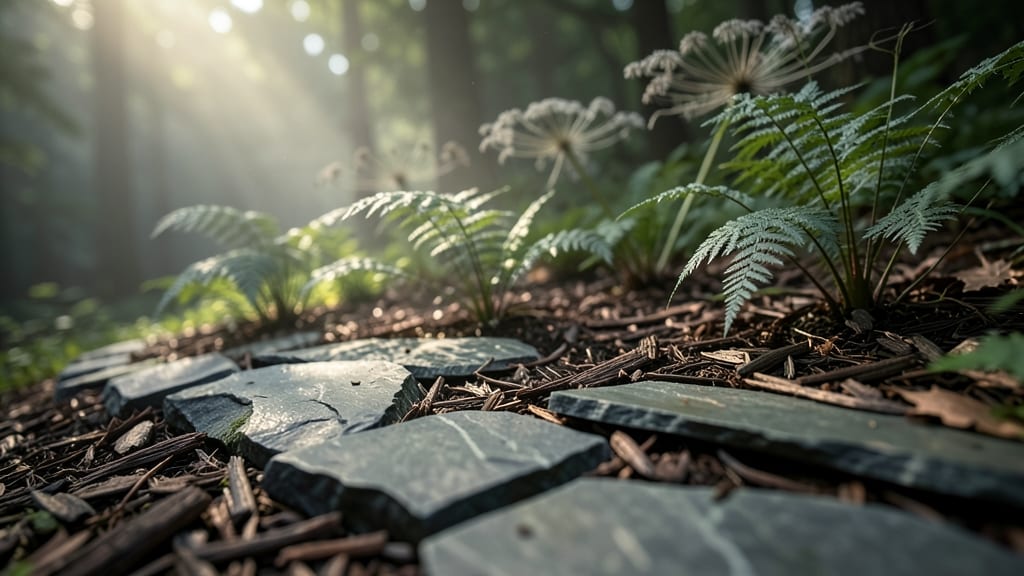
Bring the quiet magic of a forest understory into your garden with a woodland edge that thrives in shade. This design uses flat slate stones and organic mulch to create a natural, low-maintenance border that mimics the dappled light and moisture of a woodland floor.
Plant ferns like maidenhair or ostrich fern for lush texture, pair with lungwort for delicate blooms, and add creeping thyme to suppress weeds while retaining moisture. The stones anchor the soil, preventing erosion, while the mulch keeps the area cool and damp—perfect for shade-loving plants that would otherwise struggle.
This design is ideal for gardeners with shady spots who want a serene, high-impact look without the upkeep of sun-loving beds. It’s also a great way to extend your garden’s beauty into areas where other plants might fail. 🌿
Terrace Garden with Edible Herbs
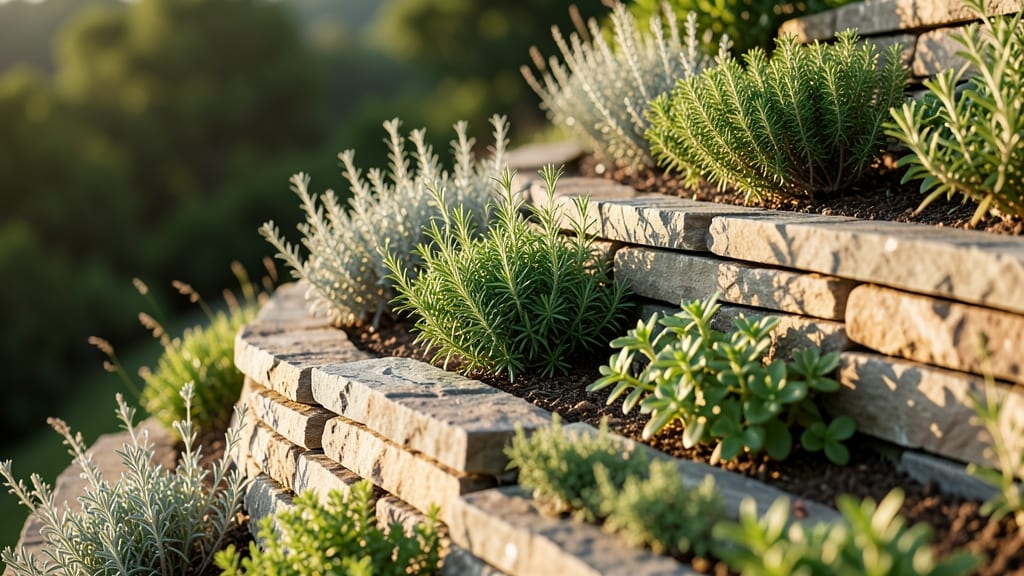
Turn your sloping yard into a fragrant, functional masterpiece with a terrace garden that grows rosemary, thyme, and oregano right at your fingertips. This design transforms unstable slopes into stable, layered tiers using stacked stones, while giving you a ready supply of culinary herbs.
Start by arranging flat, medium-sized stones in horizontal layers to create 2-3 tiers, leaving gaps between them for soil and root growth. Plant drought-tolerant herbs like rosemary (which thrives in well-drained soil) and thyme (ideal for sunny spots) between the rocks, while oregano cascades over the edges. The stones anchor the soil while the herbs' deep roots prevent erosion, making this perfect for hillsides or steep areas.
This design is especially valuable for urban gardeners with limited space or those wanting to grow herbs without dedicating a full garden bed. Plus, the aromatic herbs will deter pests naturally while adding beauty and functionality to your landscape. 💚
Japanese Zen Garden with Raked Sand
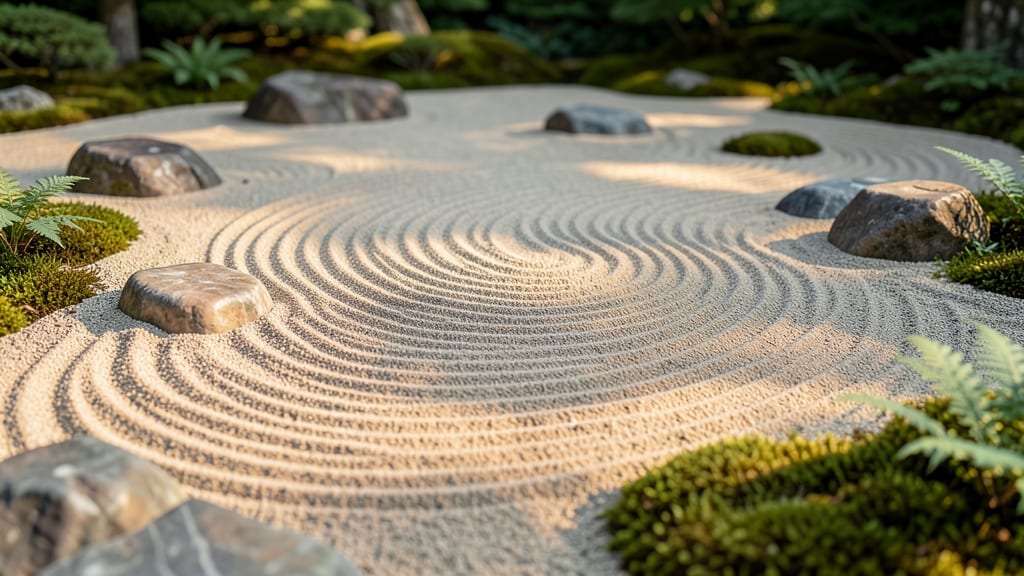
Create a serene escape in your garden with a Japanese Zen garden, where every raked line in the sand becomes a meditation on nature’s simplicity. This design focuses on harmony and tranquility, using smooth river rocks, meticulously patterned sand, and minimalist plantings to evoke peace—all while requiring almost no upkeep.
Start with a flat, sunlit area and lay down a base of coarse sand (about 2-3 inches deep). Place large, flat river rocks in asymmetrical groupings—avoid symmetry to embrace natural imperfection. Plant dwarf bamboo (like Fargesia robusta) along borders, tuck in moss patches (such as Mnium or Thuidium), and add ornamental grasses like Hakonechloa macra for soft texture. The key is raking the sand daily or weekly to create flowing patterns, which mimics water ripples and deepens the meditative effect.
This design is ideal for gardeners seeking low-maintenance beauty or a personal retreat. Even small urban spaces can host a mini Zen garden in a container, making it perfect for those with limited room but a desire for calm. 🌿
Coastal Driftwood and Sea Grass
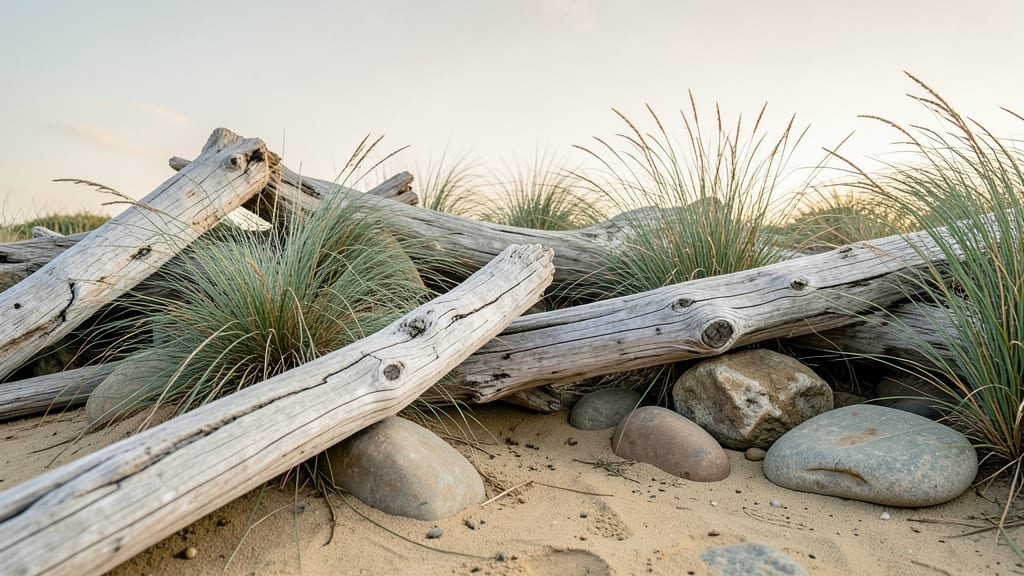
Bring the raw beauty of the shoreline into your garden with a coastal driftwood and sea grass design that thrives where others fail. This rugged, windswept look combines bleached driftwood logs, salt-tolerant plants, and strategically placed rocks to create a living barrier against erosion while adding texture and movement to sandy or windy spaces.
Start by anchoring the bed with large, flat river rocks buried halfway into the soil to prevent shifting from wind or rain. Weave in driftwood logs (cleaned and treated) as vertical accents or horizontal dividers, then plant sea thrift (Armeria maritima) for its cheerful purple blooms and beach grass (Ammophila arenaria) for deep roots that bind soil. Add smooth pebbles or crushed granite between plants to mimic natural dunes while reflecting sunlight to deter weeds. This design thrives in full sun to partial shade and requires minimal watering once established—perfect for coastal climates or inland areas with sandy soil.
This low-maintenance solution is ideal for gardeners with windy yards, sandy soil, or erosion-prone slopes who want a natural, beachy aesthetic that requires almost no upkeep. The combination of driftwood and salt-tolerant plants creates a year-round structure that evolves with the seasons, from spring blooms to winter silhouettes. 🌿
Rain Garden with Native Wetland Plants

Tired of watching rainwater rush across your yard, carrying dirt and pollutants with it? A rain garden with native wetland plants turns that problem into a stunning solution—capturing stormwater while creating a vibrant, low-maintenance focal point.
Start by digging a shallow depression (6–12 inches deep) in a low spot where water naturally collects. Line the edges with rounded river rocks to slow water flow while adding texture, then fill the center with a mix of native topsoil and compost (at least 12 inches deep) to support moisture-loving plants. Plant pickerelweed (with its striking purple spikes), cardinal flower (deep red blooms that hummingbirds adore), and switchgrass (tall, ornamental grasses that stabilize soil). The rocks filter runoff while the plants absorb excess water, reducing erosion and even improving water quality.
This design is a game-changer for gardeners in urban areas with drainage issues or those who want to support local ecosystems. Plus, the bold colors and tall grasses create a year-round visual impact that’s both functional and breathtaking. ✨