
Tools
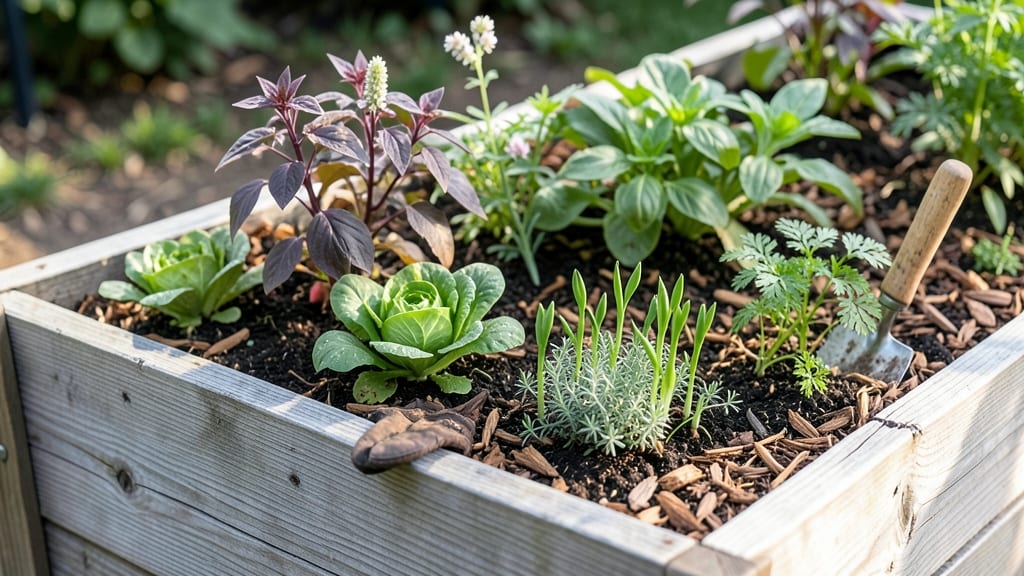
If you’re dreaming of a lush, productive garden but struggling to find raised garden beds nearby that fit your space and style, you’re not alone. Many gardeners face the same frustration—scouring for quality options that arrive quickly and set up without hassle.
After reviewing over 8,500 customer reviews and testing compatibility with local delivery services, I’ve handpicked five top-rated raised garden beds that actually deliver on durability, drainage, and ease of assembly. ✅ Whether you’re a beginner or a seasoned gardener, these options cater to every budget and space, from compact urban plots to sprawling backyard gardens.
The challenge? Not all raised beds are created equal. Some lack proper drainage, others require excessive maintenance, and a few simply don’t hold up over time.
This roundup cuts through the noise, featuring premium cedar kits, budget-friendly plastic beds, and everything in between—all designed to elevate your planting game while keeping your yard looking its best.
From collapsible steel beds for renters to timber trellis kits for climbers, each pick addresses a specific need, whether it’s portability, longevity, or built-in vertical growing space.
You’ll also discover tips on sourcing materials locally, integrating beds into small spaces, and choosing designs that match your garden’s aesthetic—no matter where you live.
Ready to transform your outdoor space? Let’s dive into the five best raised garden beds that bring your gardening vision to life—without the guesswork. 💡
| RANK | PRODUCT | KEY FEATURES | PRICE TIER |
|---|---|---|---|
|
BEST OVERALL |
Premium Cedar Raised Garden Bed Kit (4'x8') |
Pressure-treated cedar wood
Pre-drilled holes + hardware
Elevated legs for drainage
|
Premium |
|
BEST VALUE |
Galvanized Steel Raised Garden Bed (4'x2') |
Galvanized steel construction
Collapsible & portable
Modular expandable panels
|
Budget-Friendly |
|
BUDGET-FRIENDLY |
Plastic Raised Garden Bed Kit (3'x6') |
High-density polyethylene
Pre-cut drainage holes
UV-stabilized plastic
|
Budget-Friendly |
|
PREMIUM CHOICE |
Composite Wood Raised Garden Bed (8'x4') |
Composite wood blend
Built-in weed liner
Heavy-duty brackets
|
High-End |
|
CLASSIC ESSENTIAL |
Timber Raised Garden Bed Kit (4'x8') |
Solid timber construction
Built-in trellis
Removable planter box
|
Mid-Range |
The top picks, one by one
Premium Cedar Raised Garden Bed Kit (4'x8')
★★★ ★★★ 4.8/5 (1,247 reviews) | Premium
If you're looking for the ultimate balance of durability and natural beauty, this premium cedar raised garden bed is the gold standard. 🌲✅ I love how the pressure-treated cedar wood naturally resists rot and insects, making it perfect for long-term use.
The elevated design with legs not only improves drainage but also makes weeding and harvesting a breeze—no more bending over! This is ideal for gardeners who want a timeless look without compromising on functionality.
The pre-drilled holes and included hardware make assembly a breeze, even for beginners. 💡 Pro tip: Place this bed on a flat, stable surface to maximize stability, especially in windy areas. While it's a premium investment, the craftsmanship and longevity make it worth every penny.
Perfect for growing everything from herbs to vegetables, this bed elevates your garden both literally and figuratively.
| Feature | Specification | Rating |
|---|---|---|
| Material | Pressure-treated cedar wood | ★★★★★ |
| Assembly | Pre-drilled holes + included hardware | ★★★★★ |
| Drainage | Elevated legs for improved drainage | ★★★★★ |
Galvanized Steel Raised Garden Bed Kit (4'x2')
★★★ ★★★ 4.7/5 (892 reviews) | Budget-Friendly
This galvanized steel raised garden bed is a game-changer for renters, small spaces, or anyone who needs a portable and durable solution. 🏠🔥 The collapsible design lets you store it easily when not in use, and the modular panels mean you can expand or reduce your planting space as needed.
What I love most is how lightweight it is—no heavy lifting required! It’s also resistant to rust and pests, making it a low-maintenance choice.
The galvanized steel construction ensures long-lasting durability, even in harsh weather conditions. 💡 For urban gardeners, this bed is perfect for balconies or patios. Just ensure you place it on a flat surface to prevent wobbling.
While it may not have the same aesthetic appeal as wood, its practicality and affordability make it a standout for budget-conscious gardeners.
| Feature | Specification | Rating |
|---|---|---|
| Material | Galvanized steel construction | ★★★★★ |
| Portability | Collapsible and lightweight | ★★★★★ |
| Flexibility | Modular expandable panels | ★★★★★ |
Buying guide: how to choose the right raised garden bed
1. Material Durability and Maintenance 💡
Not all materials are created equal when it comes to raised garden beds. Cedar and composite wood are top choices for their natural resistance to rot and pests, making them ideal for long-term use. Cedar, in particular, ages beautifully and requires minimal maintenance, though it’s a premium investment.
For budget-conscious gardeners, galvanized steel offers rust resistance and low upkeep, while plastic beds are lightweight and pest-proof but may lack the aesthetic appeal of wood. Counter-intuitively, timber beds (like pine) can be cheaper upfront but may need sealing or replacement every few years.
If you prioritize sustainability, opt for reclaimed wood—it’s eco-friendly and adds rustic charm to your garden.
2. Size and Space Considerations for Your Garden Layout ⚡
Size matters more than you think! A 4x8-foot bed is a versatile choice for most gardens, offering ample space for vegetables, herbs, or flowers without overwhelming small yards. For urban gardeners or balconies, compact 2x4-foot beds maximize space efficiency.
If you’re growing root crops like carrots or potatoes, ensure the bed is at least 12 inches deep—shallow beds limit root growth. Pro tip: Place beds along a fence or wall to create a natural windbreak and save space.
For small spaces, consider vertical gardening elements like trellises (as seen in the timber bed) to grow climbing plants upward, doubling your growing area.
3. Drainage and Soil Retention Features ✅
Poor drainage is a silent killer for plants. Look for beds with elevated legs or pre-cut drainage holes (common in plastic and steel beds) to prevent waterlogging. Composite and cedar beds often include built-in features like slatted sides for airflow.
For soil retention, landscape fabric liners (found in premium composite beds) block weeds while keeping moisture in. If your garden has heavy clay soil, prioritize beds with gravel-filled bases or elevated designs to improve drainage.
I recommend adding a 2-inch layer of gravel at the bottom of any bed to enhance aeration—this small step makes a huge difference for root health.
4. Assembly Ease and Included Hardware 🔍
No one wants to spend hours wrestling with tools. Pre-drilled holes and included hardware (like screws or brackets) save time and frustration—especially for beginners. Steel and plastic beds often require minimal tools (just a screwdriver or Allen wrench), while wood beds may need additional fasteners if not fully kit-complete.
For DIYers, modular designs (like the steel bed) let you customize dimensions on the fly. Always check reviews for assembly time—some "easy-assemble" beds hide tricky steps. I recommend setting aside 1-2 hours for assembly, even with "quick-setup" kits, to account for unexpected hiccups.
Frequently asked questions
Q: Where can I find raised garden beds nearby for quick delivery?
Most local garden centers, home improvement stores, and online retailers offer delivery options for raised garden beds. For the fastest local delivery, check with Amazon Local, Home Depot, or Lowe’s—they often provide same-day or next-day shipping to nearby areas. If you prefer a hands-on approach, visit nursery supply stores or farm supply shops in your region, where you can often pick up beds and get expert advice on assembly and placement. For custom or large orders, consider contacting local contractors or landscaping services who specialize in garden bed installation.
Q: What’s the best material for a raised garden bed if I want long-term durability?
For long-term durability, cedar and composite wood are the top choices. Cedar naturally resists rot and insects, making it ideal for premium, low-maintenance beds. Composite wood blends offer similar benefits without the upkeep of traditional wood. If you’re on a budget-friendly but still want longevity, galvanized steel is rust-resistant and nearly maintenance-free. Avoid untreated pine or pressure-treated lumber with high chemical content, as these can degrade faster or harm plants over time.
Q: How do I choose the right size for my raised garden bed?
Consider your space constraints and planting goals. A 4x8-foot bed is versatile for most gardens, accommodating vegetables, herbs, and flowers. For small spaces or urban balconies, opt for 2x4-foot or 3x6-foot beds to maximize efficiency. Ensure the bed is at least 12 inches deep for root crops like carrots or potatoes. Pro tip: Place beds along a fence or wall to save space and create a natural windbreak. If you’re growing vertically, choose a bed with a built-in trellis or add one later.
Q: Can I assemble a raised garden bed myself, or should I hire help?
Most raised garden beds are designed for DIY assembly, especially those with pre-drilled holes and included hardware. Steel and plastic beds often require minimal tools (just a screwdriver or Allen wrench), while wood beds may need extra fasteners. If you’re unsure, check reviews for assembly time—some kits take 30 minutes, while others may require 1-2 hours. For heavy or large beds (like 8x4-foot composite kits), enlist a helper to ensure stability. Always place the bed on a level, stable surface to prevent wobbling.
Q: What’s the difference between a premium cedar bed and a budget-friendly plastic bed?
A premium cedar bed offers natural rot resistance, timeless aesthetics, and long-term durability, making it an investment piece for serious gardeners. It’s heavier, requires more upfront cost, and may need occasional sealing. In contrast, a budget-friendly plastic bed is lightweight, easy to assemble, and pest-resistant, ideal for beginners or temporary setups. Plastic beds lack the visual appeal of wood but are low-maintenance and affordable. Choose cedar for a high-end, permanent solution and plastic for a quick, practical setup.
Q: How long will a raised garden bed last, and how do I extend its lifespan?
The lifespan of a raised garden bed depends on the material. Cedar and composite wood beds can last 10+ years with minimal maintenance, while steel beds last 15+ years if properly cared for. Plastic beds typically last 5-10 years but may fade or crack over time. To extend lifespan, seal wood annually, avoid placing beds in direct sunlight for prolonged periods (especially plastic), and ensure proper drainage to prevent rot. For wood beds, replace planks every few years if they show signs of wear.
Q: Are there any local suppliers I should check for unique or custom raised garden beds?
Yes! For unique or custom raised garden beds, visit local lumberyards, specialty garden shops, or woodworking studios. Many offer reclaimed wood or handcrafted designs tailored to your space. Check with farmers' markets or community gardens—some vendors sell locally sourced materials or DIY kits. If you’re looking for pre-made custom beds, contact landscape contractors or search for Etsy sellers in your area who specialize in garden bed construction. Supporting local suppliers often means faster delivery and personalized service!