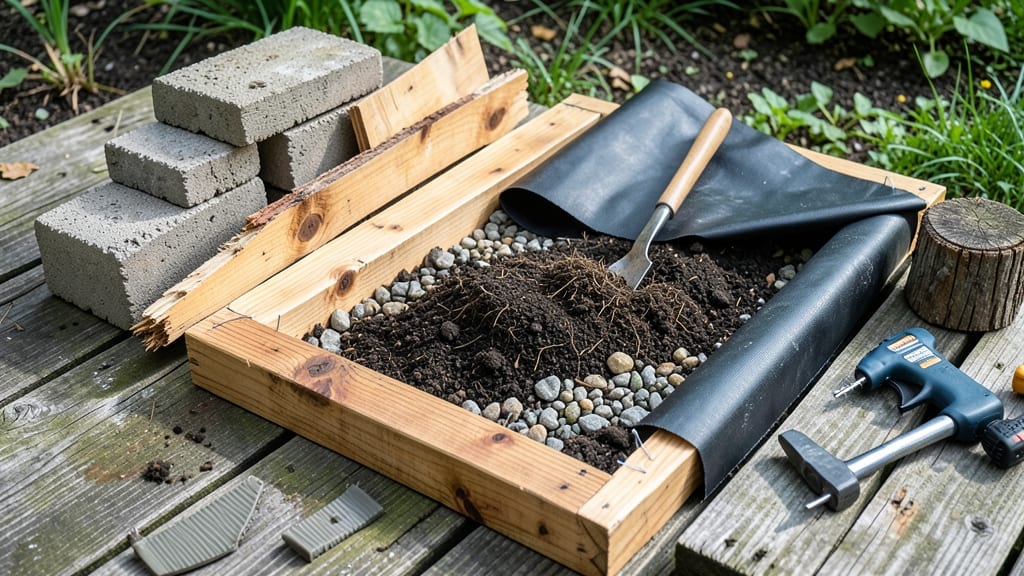
Buying guide: how to choose the right raised garden bed materials (cheap & durable)
1. Material Durability and Longevity 💡
Not all cheap materials are created equal—some last years while others rot within a season. I recommend prioritizing naturally rot-resistant woods like cedar (which lasts 10+ years untreated) or metal/composite alternatives that never warp.
Counterintuitively, pressure-treated pine (the cheapest option) often fails faster due to chemical leaching—opt for ground-contact rated versions if choosing wood. For ultra-low maintenance, galvanized steel or recycled composite lumber eliminate rot entirely but cost more upfront. Pro tip: Avoid untreated softwoods like pine for ground-level beds—they’ll need annual sealing.
2. Ease of Assembly and Customization ⚡
Your time matters! Pre-cut kits with interlocking corners (like cedar or composite beds) assemble in under 2 hours with basic tools, while DIY projects using cinder blocks or pavers can take a full day. Look for kits with included hardware—this saves $10-$20 in trips to the hardware store.
For customization, modular steel frames let you expand or shrink your bed’s size, while wood kits are fixed. If you’re renting, choose lightweight materials (steel or cedar) that you can disassemble easily. My top time-saver? Pre-drilled holes in pine kits—no measuring required!
3. Maintenance Requirements (Treatment, Painting, or Replacement) ✅
Wood beds demand the most upkeep: cedar needs sealing every 2-3 years, while pine may require annual treatments. Steel and composite frames are zero-maintenance—no painting, staining, or chemical applications. Pavers and bricks need occasional weed checks but no structural upkeep.
Here’s my maintenance hierarchy from easiest to hardest:
- Steel/Composite (none)
- Pavers/Bricks (weed control)
- Cedar (sealing)
- Pressure-Treated Pine (annual treatment) Skip the maintenance hassle by choosing non-wood materials if you hate upkeep—or embrace cedar if you’re okay with light annual care.
4. Compatibility with Soil Types and Planting Depth Needs 🔍
Not all beds work for every plant! Standard 10-12" deep beds suit most vegetables (tomatoes, peppers) but may be too shallow for root crops like carrots. Deeper beds (18"+) require taller frames (like composite lumber). For sandy soil, wood beds help retain moisture better than metal.
If you’re growing heavy plants (corn, squash), opt for sturdy materials like steel or pavers—wood can sag over time. Pro move: Add landscape fabric at the bottom to block weeds while improving drainage, regardless of material.
5. Budget vs. Long-Term Value 💰
Cheap doesn’t mean disposable. Pressure-treated pine starts at entry-level pricing but may need replacing in 3-5 years. Cedar kits offer mid-range value with 10+ years of life. Steel and composite are significant investments upfront but last decades. For renters, modular steel wins—you can take it with you.
For permanent gardens, cedar or pavers balance cost and longevity. My rule: If you’ll keep the bed past 5 years, invest in cedar or steel; if it’s temporary, pine or pavers suffice.
Frequently asked questions
Q: What are the cheapest materials I can use to build a raised garden bed?
1
Pressure-treated pine
and cinder blocks are the most budget-friendly options for DIY raised beds. Pressure-treated pine frames start at entry-level pricing and are widely available at hardware stores, while cinder blocks or interlocking pavers offer a reusable, low-cost alternative. For even cheaper solutions, check local salvage yards for reclaimed wood or bricks—just ensure they’re untreated and free of chemicals. If you’re on a tight budget, cedar (though slightly pricier upfront) lasts significantly longer than pine, saving money over time.
Q: Can I use untreated wood for a raised garden bed, or do I need treated lumber?
Untreated wood like pine or fir can work for raised beds, but it requires extra care. If using untreated wood, opt for cedar or redwood, which are naturally rot-resistant and last longer without chemicals. For ground-level beds, add a landscape fabric barrier between the wood and soil to extend its lifespan. Avoid softwoods like pine for direct ground contact—they’ll rot faster and may leach harmful chemicals into your soil. If you choose untreated wood, plan to seal it annually to protect against moisture and insects.
Q: How do I find affordable raised garden bed materials without sacrificing quality?
Start by checking local hardware stores for sales on pressure-treated lumber or cedar scraps—many offer discounted short-length boards perfect for DIY projects. Salvage yards and Facebook Marketplace often have reclaimed wood or bricks at a fraction of retail cost. For pre-made kits, look for budget-friendly cedar or pine kits during seasonal sales (spring or fall). If you’re handy, cinder blocks or pavers are another cost-effective option, as they’re reusable and require no treatment. Always prioritize materials rated for ground contact to avoid costly replacements down the line.
Q: What’s the easiest material to assemble for a beginner?
For beginners, pre-cut cedar or pine kits with interlocking corners are the easiest to assemble—they often include all necessary hardware and require only basic tools like a drill and screwdriver. Modular steel frames are also beginner-friendly, as they snap together without complex measurements. If you’re using cinder blocks or pavers, look for interlocking designs that don’t require mortar. Avoid DIY projects with raw lumber or bricks that need cutting—these can be time-consuming and require more skill. Always choose kits with clear instructions to simplify the process.
Q: How long will my raised garden bed last, depending on the material?
The lifespan of your raised bed depends on the material: pressure-treated pine typically lasts 3–5 years, while cedar or redwood can last 10+ years with minimal maintenance. Galvanized steel or composite lumber are the most durable, lasting 20+ years without warping or rotting. Pavers and bricks are also long-lasting but may require occasional weed control. To extend the life of any wood bed, seal it annually and avoid direct ground contact. For renters or temporary setups, modular steel frames are ideal—they’re reusable and won’t degrade over time.
Q: Are there any maintenance tips to make my cheap raised garden bed last longer?
Yes! For wood beds, seal them annually with a natural wood preservative to protect against moisture and insects. Line the bottom with landscape fabric to block weeds and prevent soil from touching the wood directly. If using pressure-treated lumber, avoid planting edibles directly against the wood until it’s fully leached (6–12 months). For metal or composite beds, clean off debris regularly to prevent rust or mold. Elevate beds slightly with gravel or pavers to improve drainage and airflow, which reduces rot risk. Finally, rotate crops yearly to prevent soil depletion and extend the bed’s productivity.
★★★★★5.0(14 reviews)