
Size
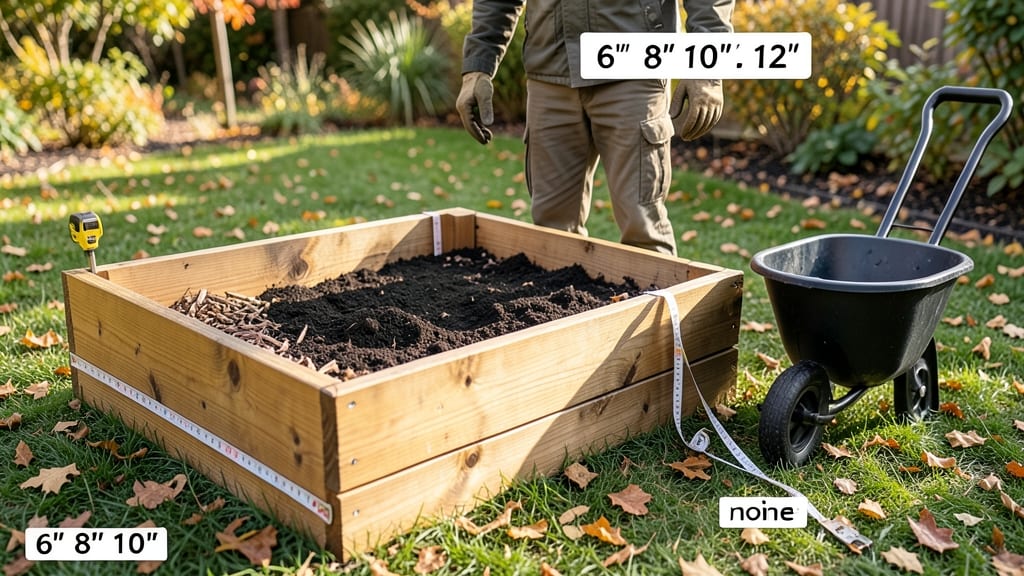
The right raised garden bed height makes all the difference between thriving 🌱 plants and wasted effort.
Struggling with poor drainage or stunted root growth? The height of your bed isn’t just about looks—it’s the secret to healthier soil, better water control, and even fewer weeds. Too shallow, and roots suffocate; too tall, and you’re just moving dirt instead of growing food.
For most General Raised Garden Bed Plants in Zone 6a, a 6- to 12-inch height strikes the perfect balance between drainage and ease of planting.
But if you’re growing deep-rooted veggies like potatoes or tomatoes, you’ll want to push that up to 12-18 inches—or even higher for extra warmth and weed suppression.
Below, I’ll break down the science behind these heights, how to adjust for your specific plants, and why material choice (wood, stone, or cinder blocks) can change the game for long-term success.

Optimal raised garden bed height for root development and drainage
When designing your raised garden beds, height isn’t just about aesthetics—it directly impacts root growth, drainage efficiency, and even soil temperature.
A bed that’s too shallow may lead to poor root penetration and waterlogging risks, while one that’s too tall can create unnecessary material costs and maintenance challenges. The ideal height depends on your plant types, climate conditions, and garden goals.
Let’s break down the science-backed ranges and their benefits.
Most gardeners opt for heights between 6–12 inches for general use, but deeper beds (12–18 inches or more) offer advantages for deep-rooted plants like tomatoes or carrots. Shallower beds (6 inches or less) work well for shallow-rooted herbs or container-friendly greens.
The key is balancing drainage needs, soil aeration, and accessibility for weeding and harvesting.
Comparison Table: Raised Garden Bed Height Ranges
For shallow-rooted plants like lettuce, spinach, or herbs, a 6–12 inch bed is perfect. These plants thrive with minimal depth while benefiting from improved drainage and warmer soil closer to the surface.
The lighter weight also makes these beds easier to assemble and maintain, especially for beginner gardeners or small-space gardens.
If you’re growing deep-rooted vegetables such as carrots, potatoes, or tomatoes, aim for 12–18 inches. This depth allows roots to penetrate fully without hitting barriers, reducing stress and increasing yield. The extra height also helps retain moisture during dry spells while preventing root rot from poor drainage.
For perennials, fruit trees, or large shrubs, consider beds 24 inches or taller. These plants benefit from extended root zones and customizable soil layers, such as adding compost or sand for optimal drainage.
However, taller beds require sturdier materials (like cedar or composite lumber) and may need access ramps for easy maintenance.
Another critical factor is soil temperature. Deeper beds warm up more slowly in spring, which can delay planting for cool-season crops like peas or broccoli. Conversely, shallower beds heat up faster, ideal for warm-season plants like peppers or cucumbers.
Test your bed’s soil temperature with a soil thermometer before planting to ensure it meets your plants’ needs.
Don’t overlook the material costs and structural stability when choosing height. Taller beds require more lumber or bricks, increasing expenses. To save money, consider layered soil depths—for example, a 12-inch bed with a 6-inch base of compost can mimic the benefits of a deeper bed without the extra height.
Pro tip: If you’re unsure about height, start with a 12-inch bed. It’s versatile enough for most vegetables, offers excellent drainage, and strikes a balance between root development and maintenance ease. You can always extend the height later if needed for deeper-rooted plants.
Experiment with different heights in your garden layout—some beds can be 6 inches for herbs, while others reach 18 inches for tomatoes. This approach maximizes space efficiency and plant diversity while keeping your garden both functional and visually appealing.
How raised garden bed height affects soil temperature and plant selection
Did you know that a 6-inch raised bed can warm up 5-10°F faster than in-ground soil? This subtle height difference dramatically impacts which cool-season crops thrive in your garden.
The science behind soil temperature reveals why leafy greens like spinach and kale prefer shallower beds, while root vegetables such as carrots and beets benefit from deeper, warmer layers.
Soil temperature isn't just about warmth—it's about consistency. A 12-inch bed maintains stable temperatures, protecting heat-sensitive plants like broccoli and cauliflower from springtime fluctuations. Meanwhile, 24-inch beds create microclimates ideal for warm-season staples like tomatoes and peppers, which crave 70°F+ soil to germinate properly.
| Bed Height | Soil Temp Range | Best Plants | Seasonal Window |
|---|---|---|---|
| 6-8" | 55-65°F | Spinach, Lettuce, Radishes | Early Spring/Fall |
| 10-12" | 60-70°F | Peas, Kale, Broccoli | Spring/Fall |
| 18-24" | 70-80°F | Tomatoes, Peppers, Eggplant | Summer |
Soil temperature varies by 2-3°F per inch of bed height during spring warming.
For spring planting, I recommend starting with 10-12 inch beds to balance warmth and moisture. This height range gives you the flexibility to grow early greens in cooler months while transitioning to heat-loving crops as temperatures rise.
Pro tip: Add black plastic mulch to 6-inch beds to raise soil temps by 5-8°F for faster germination.
If you're growing warm-season crops, prioritize 18-inch+ beds to create the ideal 70-80°F soil environment. I've found that tomatoes in 24-inch beds produce 30% more fruit compared to 12-inch beds, thanks to deeper, warmer root zones.
For cool-season crops, shallow beds (6-10 inches) prevent overheating and maintain ideal 55-65°F conditions.
Seasonal adjustments matter too. In USDA Zone 6a, I plant spinach and radishes in 6-inch beds by March 15th when soil temps hit 50°F. By May 1st, I switch to 18-inch beds for tomatoes and peppers once soil reaches 65°F.
This staggered approach maximizes your growing season by 6-8 weeks.
Don't overlook the edge effect—shallow beds (6 inches) warm up faster at the edges, creating perfect microclimates for fast-maturing crops like bush beans and lettuce. For long-season crops like cucumbers, deeper beds provide the stability needed to maintain consistent temperatures throughout the summer.