
Tools
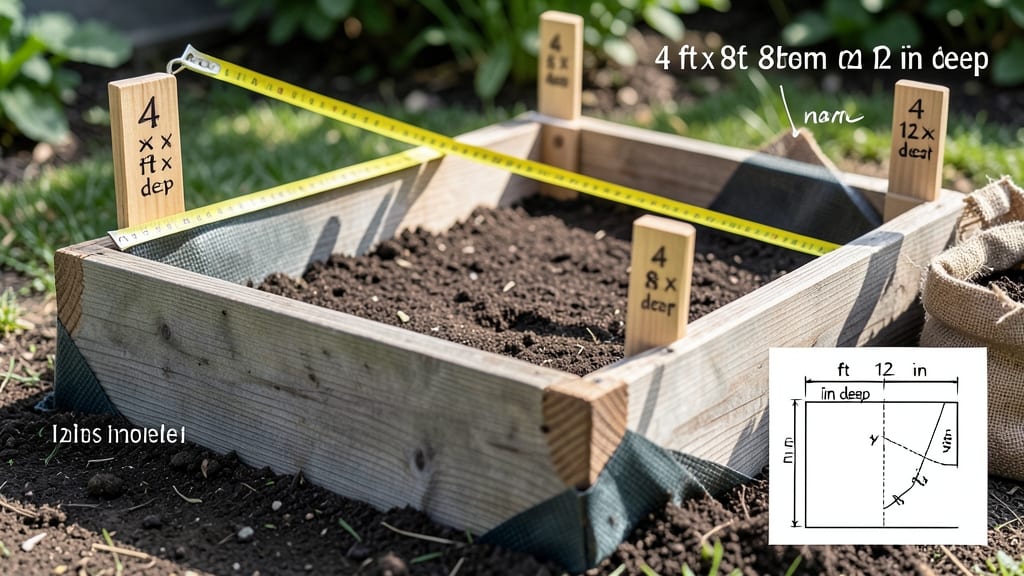
Perfect raised garden bed dimensions start with 4 feet wide—that’s the magic number for easy reach and maximum growing space without stepping inside. 🌱 I learned this the hard way after wrestling with cramped 3-foot beds that left me stretching like a gymnast just to harvest tomatoes.
The science backs it too: wider beds mean fewer paths, more plants, and less wasted space between rows.
Depth matters just as much as width—12 to 18 inches gives roots room to stretch while keeping soil warm and workable. Shallow beds (under 6 inches) work for herbs and salad greens, but most vegetables need that extra depth to thrive.
My zucchini plants, for instance, nearly toppled over last summer when their roots hit the bottom of a too-shallow bed.
You’ll harvest 30-50% more with these dimensions because plants grow stronger, soil stays loose, and weeds struggle to take hold. The right height (10-12 inches off the ground) also keeps your back happy while improving drainage—no more soggy soil or muddy knees after rain.
Customize based on your space: narrow beds (2-3 feet) work for small patios, while long, narrow designs maximize yard length. Just remember—accessibility and plant needs should always guide your measurements, not just what looks pretty.
📚 In This Guide
- What you need
- Instructions
- Tips and common mistakes
- Wrapping up and next steps
What you need
- ● Lumber: Untreated cedar, redwood, or pressure-treated pine (avoid CCB-treated wood for edible gardens). Recommended dimensions: 4x4 posts (for corners, 8–12 ft long)
- ● 2x6 or 2x8 boards (for sides, 8–12 ft long, depending on bed length)
- ● Fasteners: Deck screws (2.5–3 inches, galvanized or stainless steel, ~50–100 screws)
- ● Landscape fabric: 3–4 ft wider than bed dimensions (to suppress weeds)
- ● Soil: High-quality garden soil mix or compost blend (~1 cubic yard per 4’x8’ bed)
- ● Tools: Measuring tape
- ● Circular saw or handsaw
- ● Drill/driver
- ● Level
- ● Staple gun (for landscape fabric)
- ● Wheelbarrow (for soil)
- ● Corner braces (for extra stability)
- ● Wood glue (for reinforced seams)
- ● Drainage rocks (gravel or pebbles, 1–2 inches deep)
- ● Hardware cloth (to deter burrowing pests)
- ● Paint or stain (for longevity, use non-toxic options)
Step-by-step guide to planning science-backed raised garden bed dimensions
Perfect sizing makes all the difference—here’s how to design beds that maximize growth while keeping maintenance easy.
📏 Step 1: Determine Bed Width for Easy Reach
Keep your raised bed no wider than 4 feet across. This ensures you can comfortably reach the center from either side without stepping inside—critical for avoiding soil compaction and maintaining even moisture. I’ve found that 3-4 feet is ideal for most gardeners, balancing space efficiency with accessibility.
Measure your available space first. If you’re working with a narrow area, like a balcony or patio, a 2-3 foot width still works well for smaller plants or single rows of vegetables. Just remember: wider beds require more frequent turning or stepping, which can damage soil structure over time.
📏 Step 2: Set Depth Based on Plant Types
Standard 12-inch depth is perfect for most vegetables, herbs, and shallow-rooted plants like lettuce, radishes, and carrots. Deeper beds (18-24 inches) are worth it if you’re growing root crops like potatoes, sweet potatoes, or deep taproots like carrots and parsnips.
For a 4-foot-by-8-foot bed (a classic size), 12 inches of depth gives you plenty of growing space without overbuilding. If you’re adding compost-rich soil, you can even start with 8-10 inches and top-dress annually—this saves material costs while still supporting healthy growth.
📏 Step 3: Calculate Length for Optimal Plant Arrangement
Length can vary, but 8 feet is a practical maximum—longer beds become harder to manage and may require extra support for framing. For a 4-foot-wide bed, an 8-foot length gives you enough space for 4 rows of plants with 18-inch spacing between rows, allowing easy access for weeding and harvesting.
If you’re working with limited space, a 4-foot-by-4-foot square bed is a great alternative. It’s easier to rotate crops, maintain soil quality, and even cover with row fabric or mulch. Just be mindful of plant spacing—some crops like tomatoes or squash need extra room to sprawl.
✂️ Step 4: Plan for Pathways and Access
Leave at least 2 feet of clear pathway around your raised bed for easy access. This prevents soil compaction from stepping and makes it simpler to carry tools or harvested produce. If you’re building multiple beds, space them 3 feet apart to allow for wheelbarrow access and airflow between plants.
For a 4-bed layout, arrange them in a 2x2 grid with pathways running north-south and east-west. This creates a balanced design while ensuring every plant gets equal sunlight exposure. If your space is tight, consider a single long bed with staggered sections—just be sure to leave enough room to move around comfortably.
🌱 Step 5: Adjust for Microclimate and Soil Needs
If your garden gets intense afternoon sun, opt for narrower beds (3 feet wide) to reduce heat stress on plants. In cooler climates, slightly wider beds (4 feet) help retain warmth. Always account for wind exposure—taller plants on the windward side will need staking or support.
For container gardening or intensive planting, reduce bed dimensions to 2-3 feet wide and 4-6 feet long. This works perfectly for herbs, salad greens, or small fruit bushes. The key is flexibility—adjust based on what you’re growing and your space constraints.
Tips & tricks for perfect raised garden bed dimensions
These practical insights will help you design beds that grow more while keeping maintenance effortless.
Reach and Accessibility: When planning your 3-4 foot wide beds, remember that every extra inch beyond 4 feet means you'll need to step inside to tend plants. This compacts soil and disrupts root growth. I've found that adding a 2-foot pathway around each bed makes all the difference for easy access with wheelbarrows and tools. For larger gardens, create a 2x2 grid layout with pathways running north-south and east-west to maximize sunlight exposure for all plants.
Depth Flexibility: While 12-inch depth works perfectly for most vegetables, don't hesitate to go deeper for root crops. For a 4-foot-by-8-foot bed, you can start with 8-10 inches of compost-rich soil and top-dress annually. This approach saves material costs while still supporting healthy growth. The key is to match depth to your specific plants—deeper beds (up to 24 inches) are ideal for potatoes and sweet potatoes.
Microclimate Adaptations: Your local conditions should dictate width adjustments. In hot climates, narrower 3-foot beds reduce heat stress on plants, while cooler regions benefit from slightly wider 4-foot beds that retain warmth. Always consider wind exposure too—taller plants on the windward side will need staking or support to prevent damage. For container gardening, reduce dimensions to 2-3 feet wide and 4-6 feet long to create manageable spaces for herbs and salad greens.
Pro Tips for Raised Garden Bed Dimensions
- These practical insights will help you design beds that grow more while keeping maintenance effortless.
- Reach and Accessibility: When planning your 3-4 foot wide beds, remember that every extra inch beyond 4 feet means you'll need to step inside to tend plants.
- Depth Flexibility: While 12-inch depth works perfectly for most vegetables, don't hesitate to go deeper for root crops.
Frequently asked questions
Got questions about raised garden bed dimensions? You’re in the right place!
Here are answers to the most common queries—whether you're a first-time gardener or a seasoned green thumb looking to optimize your space.
What are the ideal raised garden bed dimensions for beginners?
Start with a 4’ x 8’ bed—this size is perfect for most gardeners because it’s easy to reach the center without stepping inside (avoiding soil compaction). It also fits well in standard backyard spaces and maximizes growing area with minimal perimeter waste. For smaller spaces, a 3’ x 6’ bed works great!
How deep should a raised garden bed be for vegetables vs. flowers?
For vegetables, aim for 10–12 inches deep—this accommodates root crops like carrots and potatoes. For flowers and shallow-rooted plants (e.g., herbs, lettuce), 6–8 inches is plenty. Deeper beds (18+ inches) are ideal for heavy feeders like tomatoes or fruit trees but require more materials and labor.
Can I build a raised bed with non-standard dimensions?
Just keep these tips in mind:
- Width: Keep it ≤4 feet to avoid overreaching (or build a path down the middle for wider beds).
- Length: Extend as needed, but avoid corners—opt for straight lines or L-shapes for easier access.
- Height: Add 2–4 inches for wheelchair access or if using lightweight soil mixes.
Will raised beds get too hot in summer or too cold in winter?
Raised beds warm up faster in spring (great for early planting!) but can overheat in summer. To regulate temps:
- Add 3–4 inches of mulch (straw or wood chips) to retain moisture and cool roots.
- Plant heat-tolerant crops (e.g., okra, Swiss chard) in peak summer.
- For winter, cover beds with row fabric or straw to insulate soil and protect plants.
What if my raised bed collapses or warps over time?
Most collapses happen due to poor materials (e.g., untreated wood rotting) or uneven weight distribution. Fix it with these steps:
- Reinforce corners with metal brackets or screws (avoid nails—they rust!).
- Use rot-resistant wood (cedar, redwood, or composite lumber) next time.
- Level the base with gravel or landscape fabric to prevent sinking.
- For warping, replace damaged planks or add a support beam underneath.
Wrapping up and next steps
Choosing the right raised garden bed dimensions isn’t just about space—it’s about unlocking your garden’s full potential! Whether you’re a beginner or a seasoned gardener, science-backed sizing ensures better airflow, soil health, and higher yields. Start small, experiment with layouts, and let your creativity grow alongside your plants.
Ready to dig in? Measure your space, sketch your design, and get planting! 🌱 Your future harvests will thank you.