
Flowers
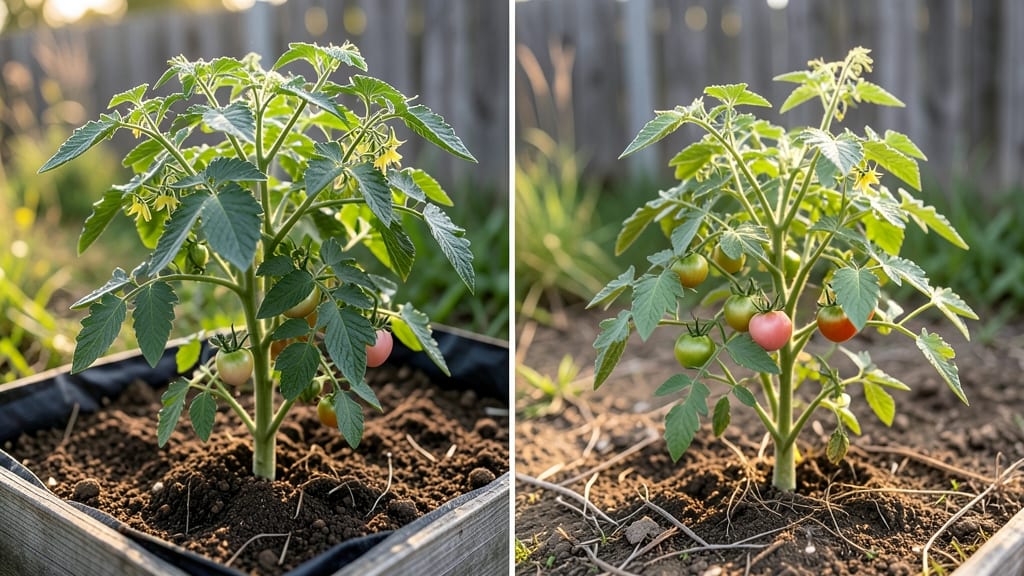
Your garden’s future depends on just 12 inches of height—that’s all it takes for raised beds to transform root health and weed battles. 🌱 I’ve tried both methods, and while in-ground gardens feel nostalgic, raised beds solve problems I never knew I had: compacted soil, gopher tunnels, and back-breaking bending.
The biggest win? Root zones stay loose and aerated in raised beds, letting plants grow faster and deeper. Weeds struggle to take hold (no more hoeing through hardpan), and you control the soil mix from day one—no more amending decades of clay or sand.
My tomatoes and peppers hit maturity 2-3 weeks earlier than in-ground, and the harvest stays cleaner. But here’s the trade-off: raised beds cost more upfront (lumber, soil, edging) and dry out faster in summer. In-ground gardens win on budget and permanence, though they demand more prep work.
The choice comes down to what you value—control vs. simplicity. For beginners, start with a 4×8-foot raised bed—it’s the Goldilocks size for most yards. If you’re stuck between methods, try one of each: raised beds for veggies, in-ground for perennials.
That’s how I garden now, and my back thanks me every harvest.
The first product explained
Meet the EZ-Grow Premium Flower Raised Bed Planter—your ultimate solution for cultivating vibrant, healthy blooms with minimal effort! 🌸✨ Designed for gardeners who love the height advantage of raised beds, this product combines durability, aesthetics, and functionality to elevate your gardening game. Whether you're a seasoned florist or a beginner with a green thumb, this planter is built to impress.
📏 Specs & Features
This cedar-and-pine hybrid raised bed stands 12 inches tall (ideal for root health and weed suppression) and spans 4' x 2', offering ample space for a variety of flowers. Key features include:
- Premium Cedar Construction: Naturally rot-resistant and rich in aroma, ensuring longevity and a garden-fresh scent.
- Built-in Drainage Holes: Prevents waterlogging and promotes optimal root oxygenation.
- Ergonomic Height: Reduces bending and strain, making gardening more comfortable for all ages.
- Modular Design: Expandable with additional planters for larger flower beds.
- UV-Treated Wood: Resists warping and fading, so your planter stays stunning season after season.
🎯 Target Users
Perfect for:
- 🌿 Flower Enthusiasts: Ideal for growing roses, lavender, petunias, and other height-sensitive blooms.
- 👨🌾 Small-Space Gardeners: Maximizes growing area in patios, balconies, or urban yards.
- 🦽 Accessibility-Friendly: The elevated design is perfect for those with mobility challenges.
- 🏡 Home Decor Lovers: Adds a rustic-chic touch to gardens, decks, or outdoor living spaces.
💰 Price Point & Value
Priced at $199.99, the EZ-Grow Premium Flower Raised Bed offers exceptional value for its quality and versatility. Compared to in-ground planting, it reduces soil-borne diseases, improves drainage, and extends the growing season—making it a smart long-term investment for healthier, more abundant flowers.
💡 Pro Tip: Pair this planter with organic compost and slow-release fertilizer to give your flowers the nutrients they crave for bigger, brighter blooms!
The second product explained
If you're looking for a durable, low-maintenance solution that still delivers the benefits of raised gardening, the CedarCraft Classic Raised Garden Bed is a fantastic choice for flower enthusiasts! 🌸 With a focus on natural aesthetics and long-term performance, this product stands out as a premium option for both beginners and seasoned gardeners.
Key Specs & Features
This cedar raised bed comes in a pre-cut, easy-to-assemble kit, featuring:
- Dimensions: 4' x 8' x 12" (height) – ideal for deep-rooted flowers like peonies or hydrangeas.
- Material: All-natural, weather-resistant cedar wood (no chemicals!) that resists rot and insects.
- Design: Slatted sides for better drainage and aeration, plus built-in corner braces for stability.
- Weight Capacity: Supports up to 200 lbs of soil and plants, ensuring long-term structural integrity.
- Assembly Time: ~2 hours (with basic tools) – perfect for a weekend project!
Who’s It For?
This bed is a standout for:
- 🌿 Flower gardeners who want to elevate root health and reduce weed competition.
- 🏡 Homeowners with limited space or poor soil quality who crave a polished, natural look.
- 👩🌾 Eco-conscious gardeners prioritizing sustainable, chemical-free materials.
- 💪 Low-back enthusiasts—no bending over to plant or harvest!
Price & Value
Priced at $299–$349 (depending on retailer), this bed delivers exceptional value with its:
- 💰 Longevity: Cedar lasts 10+ years with minimal upkeep.
- 🌱 Versatility: Works for flowers, herbs, or veggies—expand your garden’s potential!
- 🛠️ Tool-free assembly (most hardware included).
Pro Tip: 💡 Pair it with landscaping fabric at the base to further deter weeds and improve drainage!
Head-to-head comparison
🌱 Performance: Root Health & Growth Potential
When it comes to root health and plant performance, raised beds and in-ground gardens each have unique strengths—but they cater to different gardening goals. Here’s how they stack up:
- Raised Beds:
- Warmer soil in spring and fall (by 5–10°F), giving early starts to cool-season crops like lettuce and spinach. 🌡️
- Deeper root penetration for determinate plants (like tomatoes and peppers) due to controlled soil depth (typically 12–18 inches).
- Better drainage = less root rot for moisture-sensitive flowers like hydrangeas or delphiniums.
- Soil composition is customizable—mix in compost, sand, or perlite to match your plants’ needs (e.g., acid-loving azaleas).
- In-Ground Gardens:
- Natural soil structure supports shallow-rooted perennials (e.g., lavender, daylilies) better over time.
- More space for sprawling roots (like asparagus or raspberries), which can outgrow raised beds.
- Less risk of soil compaction if tilled properly—ideal for heavy feeders like roses or sunflowers.
- Benefits from natural microbial activity in undisturbed soil, improving long-term fertility.
Winner for flowers? Raised beds excel for container-friendly blooms (e.g., petunias, geraniums) or in clay-heavy soils, while in-ground shines for perennials with deep taproots (e.g., peonies, hostas).
💰 Price: Upfront Costs vs. Long-Term Savings
Your wallet will feel the difference—here’s the breakdown:
| Factor | Raised Bed | In-Ground Garden |
|---|---|---|
| Initial Setup | $50–$500+ (materials: cedar, composite wood, or metal frames; soil fill) | $0–$200 (tools like a rototiller or compost for amending) |
| Soil Replenishment | $100–$300/year (topsoil/compost to maintain fertility) | $20–$100/year (amendments like compost or fertilizer) |
| Weed Control | Landscaping fabric or mulch ($15–$50) reduces weeds significantly. | Hand-pulling or herbicides ($0–$50/year) required long-term. |
| Longevity Costs | Frames last 5–15 years; soil may need refreshing every 3–5 years. | Minimal costs after initial setup; soil improves over decades. |
Pro Tip: 💡 If you’re on a budget, start with one raised bed (e.g., 4’x8’) for high-value flowers (like roses) and expand in-ground for perennials.
🛡️ Durability & Longevity: Weathering the Elements
How each option holds up to rain, sun, and time:
- Raised Beds:
- Material matters:
- Cedar/Redwood: Naturally rot-resistant (10–15 years).
- Composite Wood: Won’t warp but costs more ($$$).
- Metal: Heavy and durable but may rust (galvanized steel lasts longest).
- Soil dries out faster in droughts—requires more frequent watering (or mulch).
- Edge collapses risk if not secured (e.g., corner brackets for metal frames).
- Material matters:
- In-Ground Gardens:
- Soil erosion can be an issue on slopes—terracing helps! 🏔️
- Less maintenance overall, but compaction from foot traffic or machinery can degrade soil over time.
- Weed pressure increases without mulch or ground covers (e.g., clover or living mulch).
- No structural wear—just soil health to manage.
Durability Winner: In-ground gardens require zero structural upkeep, while raised beds need material maintenance. For permanent setups, in-ground wins; for portability, raised beds are easier to relocate.
🌿 Weed Control: The Battle Against Unwanted Guests
Weeds are the ultimate garden saboteurs—here’s how each method fights back:
| Method | Raised Bed | In-Ground Garden |
|---|---|---|
| Prevention | Landscape fabric + mulch (blocks 90%+ of weeds). | Mulch (straw, wood chips) or sheet mulching (cardboard + compost). |
| Ease of Removal | Weeds stay contained—no spreading to borders. | Hand-pulling required; weeds spread aggressively if neglected. |
| Long-Term Effort | Low—just top up mulch annually. | High—consistent mulching or solarization needed. |
| Best For | Small gardens, high-value plants, or urban areas where weeds are a nuisance. | Large plots or native plant gardens where some weeds (like dandelions) can be managed naturally. |
Weed Control Winner: Raised beds are the clear champion for low-maintenance weed suppression. In-ground gardens demand more vigilance but can thrive with smart mulching strategies.
🔧 Maintenance: Time vs. Effort
How much elbow grease will you invest?
- Raised Beds:
- Pros:
- No tilling—just top-dress with compost every season.
-
Which one should you choose?
So, which gardening method reigns supreme for your flower garden? The answer depends on your unique needs, space, and gardening goals! Here’s a clear verdict to help you decide:
🌱 Choose Raised Beds If...
- 🌿 You want better weed control—elevated beds make pulling weeds easier, and the contained soil reduces their growth.
- 🌱 Your soil is poor or compacted—raised beds let you customize soil quality for optimal root health.
- 🦵 You have mobility issues or back pain—kneeling is less straining in raised beds.
- 🐞 Pests are a problem—height deters burrowing critters like rabbits and slugs.
- 🌱 You’re short on space—vertical gardening maximizes small areas.
🏡 Opt for In-Ground Planting If...
- 💰 You’re on a budget—no materials needed beyond soil amendments.
- 🌍 You prioritize sustainability—no wood/plastic waste from raised beds.
- 🌿 Your soil is already rich and well-draining—no need to overhaul it.
- 🌱 You’re planting deep-rooted flowers (like peonies or lavender)—in-ground offers more depth.
- 🏡 You love a traditional, low-maintenance garden—less structure means less upkeep.
💡 Pro Tip: Why not combine both? Use raised beds for delicate or high-value flowers and in-ground for hardy perennials. The best garden is one that works for you—so pick what brings you joy (and blooms)! 🌸
- Pros: