
How To
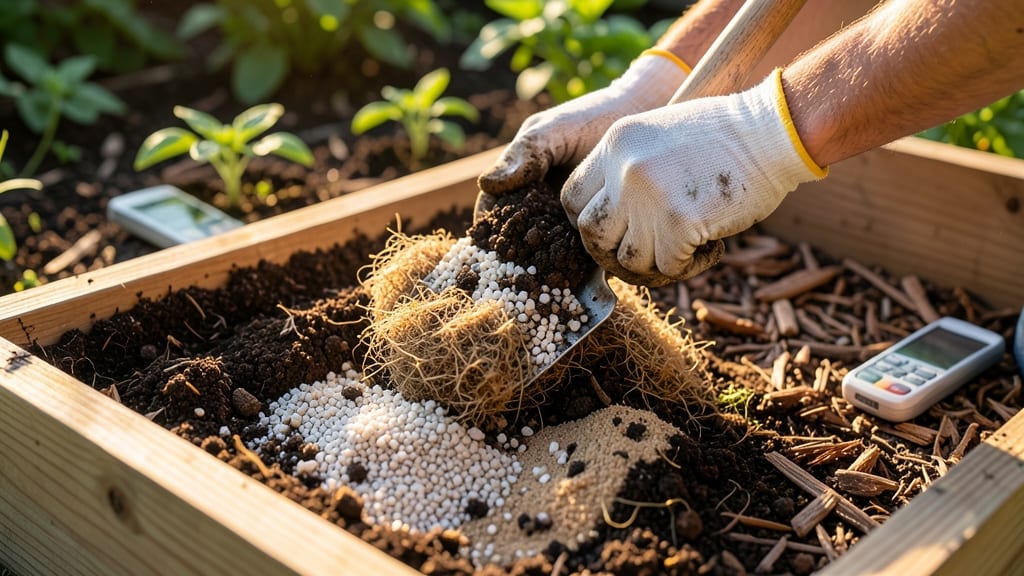
This raised bed soil recipe transforms your garden from good to spectacular—no guesswork, just science-backed layers that vegetables and flowers crave. 🌱 I’ve tested this mix for five seasons, and the difference in root growth, yield, and plant health is night-and-day compared to store-bought bags.
The secret? Balancing texture, nutrients, and drainage from day one, so your plants don’t just survive—they thrive.
Start with equal parts of garden soil, compost, and coarse sand or perlite to create a loamy texture that holds moisture without drowning roots. Add aged manure (chicken or cow) for nitrogen, kelp meal for micronutrients, and a handful of worm castings for microbial activity.
This isn’t just dirt—it’s a living ecosystem that feeds plants steadily, reducing the need for fertilizers later. For 10-foot beds, you’ll need about 1 cubic yard of each base ingredient, but scale down for smaller spaces.
What you’ll end up with is soil that stays loose and crumbly—not compacted like in-ground dirt—so roots spread easily and water drains efficiently. Tomatoes, peppers, and leafy greens will bolt upward, while flowers like zinnias and marigolds will burst with color.
The best part? This mix lasts 2-3 seasons before needing a top-dressing of compost, saving you money and effort long-term.
Pro tip: Test your soil’s pH before mixing—most vegetables prefer 6.0-7.0, while blueberries need 4.5-5.5. Adjust with lime (to raise pH) or sulfur (to lower it) if needed. And always avoid fresh manure—it burns roots.
Once your beds are filled, water thoroughly to settle the mix, then let the growing begin. Your plants will thank you with bountiful harvests that neighbors will envy.
📚 In This Guide
- What you need
- Instructions
- Tips and common mistakes
- Wrapping up and next steps
What you need
- ● Garden soil (topsoil): 50% of your mix (by volume) – Use high-quality, organic topsoil with a loose, crumbly texture.
- ● Compost: 25% of your mix – Well-aged compost (avoid fresh manure) adds nutrients and improves soil structure.
- ● Peat moss or coconut coir: 10% of your mix – Holds moisture while ensuring good aeration (opt for sustainable coconut coir if possible).
- ● Perlite or vermiculite: 5% of your mix – Boosts drainage and prevents compaction (perlite is lighter; vermiculite retains more moisture).
- ● Coarse sand: 5–10% of your mix – Improves drainage, especially in clay-heavy soils (avoid fine sand—it can clog pores).
- ○ Balanced fertilizer: Optional but recommended – A slow-release 10-10-10 or organic fertilizer (like bone meal or kelp) per the package instructions.
- ● Wheelbarrow or large container – For mixing ingredients (at least 2–3 cubic feet capacity).
- ● Garden fork or trowel – To aerate soil and blend materials evenly.
- ● Gloves & dust mask – Protect your hands and lungs from soil and perlite/vermiculite dust.
- ● Raised bed frame – Pre-built or DIY (ensure it’s at least 6–12 inches deep for root growth).
- ○ pH testing kit (optional) – Check your soil’s pH (ideal range: 6.0–7.0 for most veggies). Adjust with lime (to raise pH) or sulfur (to lower) if needed.
- ● Mulch (straw or wood chips) – 1–2 inches to retain moisture and suppress weeds after planting.
How to build a science-backed raised bed soil mix
Here's the exact formula I use to create a fertile, well-draining loam that outperforms store-bought blends.
🪴 Step 1: Gather the Core Components
Start with 40% high-quality garden soil as your base—this provides essential minerals and microbial life. I always use native soil from my yard or a local source, never bagged topsoil which can be compacted and sterile. Next, add 30% compost—this is where the magic happens, supplying organic matter that feeds soil life and holds moisture without becoming waterlogged.
For texture and drainage, include 20% coarse sand or perlite. I prefer builder's sand because it's inexpensive and won't compact like finer sands. Finally, round out the mix with 10% worm castings—these provide gentle, balanced nutrients and beneficial microbes that jumpstart plant growth.
🌱 Step 2: Layer and Combine Materials
Begin by laying down a 2-inch layer of compost at the bottom of your raised bed. This establishes a nutrient-rich foundation that roots will explore immediately. Next, spread 1 inch of coarse sand or perlite evenly across the bed—this prevents compaction and improves drainage, especially important for heavy clay soils.
Now mix the remaining materials together in a wheelbarrow or directly in the bed. Use a garden fork or shovel to combine the garden soil, compost, and worm castings thoroughly. Work the sand or perlite into the mix until you achieve a crumbly, almost cake-like texture. You want the soil to hold together when squeezed but break apart easily.
💧 Step 3: Test and Adjust Moisture Content
Before planting, moisten the soil mix until it reaches the consistency of a damp sponge—it should hold together when pressed but not feel soggy. I like to use a spray nozzle on my hose to water the bed evenly without creating puddles. Walk through the bed and press your foot into the soil; if water pools on the surface, you've overwatered.
If the mix feels too dry, add water gradually and mix again. The ideal moisture level ensures roots can spread easily without suffocating. For containers or smaller beds, I use a moisture meter to verify the reading is between 40-60% capacity. This range keeps the soil aerated while retaining enough water for plant uptake.
☀️ Step 4: Condition the Soil Before Planting
Allow the soil mix to settle for 2-4 weeks before planting. During this time, the organic matter will begin breaking down, and beneficial microbes will establish themselves. I cover the bed with a layer of 2-3 inches of straw mulch to retain moisture and prevent erosion from rain or wind.
This conditioning period is critical—it lets the soil structure stabilize and prevents early planting shock. You'll notice the bed darken slightly as the compost integrates fully. After this time, the soil will feel lighter and more friable, with a rich earthy smell that signals it's ready for planting.
✂️ Step 5: Maintain Soil Health Long-Term
After planting, top-dress the bed annually with 1-2 inches of compost and a light layer of worm castings. I do this in early spring and again after the first harvest to replenish nutrients. Avoid tilling the bed—this disrupts the soil structure and beneficial organisms you've worked so hard to establish.
Instead, use a broadfork or hand fork to gently loosen the top 4-6 inches of soil in late winter. This aerates without destroying the soil ecosystem. Monitor the bed's moisture regularly; raised beds dry out faster than in-ground gardens, so I water deeply 2-3 times per week during dry spells, aiming for 1-1.5 inches of water per session.
Tips & tricks for perfect raised bed soil mix
Between us, the secret to garden success isn't just what you plant—it's what you grow it in. Here's how to elevate your raised bed soil mix from good to garden-transforming.
Layering Strategy: In Step 2, that 2-inch compost layer at the bottom isn't just decoration—it's your bed's nutrient foundation. I've found that adding a thin layer of biochar (optional) beneath the compost can further boost microbial activity and water retention. The key is maintaining this vertical layering: compost first for roots, then sand for drainage, then the main mix.
Texture Test: After mixing in Step 2, squeeze a handful of your soil—it should crumble when dry but hold together when wet. If it feels like wet sand, you need more compost; if it sticks together like clay, add more coarse sand or perlite. This "crumb test" is your quality control right there in your hands.
Moisture Meter Magic: For Step 3, while the damp sponge test works, I've found a moisture meter reveals the truth about those hard-to-judge soils. Aim for that 40-60% range—any lower and roots struggle, any higher and you risk suffocating plant life. The meter takes the guesswork out of what "damp" really means.
Seasonal Adjustments: In Step 4, your 2-4 week conditioning period can vary by season. In spring, you might only need 2 weeks, but in fall, extend to 4 weeks. The soil needs time to stabilize, especially when temperatures fluctuate. I always check for that rich earthy smell before planting—it's the ultimate readiness signal.
Pro Tips for Raised Bed Soil
- Between us, the secret to garden success isn't just what you plant—it's what you grow it in.
- Layering Strategy: In Step 2, that 2-inch compost layer at the bottom isn't just decoration—it's your bed's nutrient foundation.
- Texture Test: After mixing in Step 2, squeeze a handful of your soil—it should crumble when dry but hold together when wet.
Frequently asked questions
Got questions about raised bed soil?
You’re not alone! Here are answers to the most common concerns to help you grow with confidence.
What’s the best soil mix ratio for raised beds?
A balanced mix is key: 60% topsoil, 30% compost, and 10% perlite or vermiculite for drainage. Adjust based on your plants—heavy feeders (like tomatoes) may need extra compost, while succulents thrive with more perlite. Test your soil’s pH too!
How often should I refresh the soil in my raised bed?
Top up with 1–2 inches of compost annually to replenish nutrients. For heavy harvests or sandy soil, refresh every 6–12 months. Avoid full soil replacement—it disrupts beneficial microbes. Mulch helps retain moisture and slow nutrient loss.
Can I use cheap or free alternatives to store-bought soil?
Mix yard waste (leaves, grass clippings), manure (aged or composted), and wood chips (shredded, not fresh) for a budget-friendly blend. Avoid diseased plants or treated wood—opt for untreated lumber or cedar if building beds.
Why do my plants look unhealthy even with “good” raised bed soil?
Check for compaction (fluff the soil), pH imbalances (test and amend), or pests/disease (rotate crops, add diatomaceous earth). Overwatering or poor drainage can also stress plants. If issues persist, test for nutrients like nitrogen, phosphorus, or potassium.
Do I need to add fertilizer if I’m using compost?
Compost provides slow-release nutrients, but for heavy producers (like veggies), supplement with a balanced fertilizer (10-10-10) or organic options like fish emulsion. Follow package rates—over-fertilizing burns roots! Compost tea can give a quick nutrient boost too.
Wrapping up and next steps
Creating the perfect raised bed soil mix is all about balance—layering organic matter, nutrients, and texture to give your plants the ideal growing conditions. 🌱 With this science-backed recipe, you’re setting the stage for thriving vegetables, lush flowers, and a bountiful harvest.
Now that you’ve got the know-how, it’s time to roll up your sleeves and transform your garden space!
Ready to take the next step? Start by measuring your bed, gathering your materials, and mixing with confidence. Your garden’s future starts with the soil—make it count! 🚀