
How To
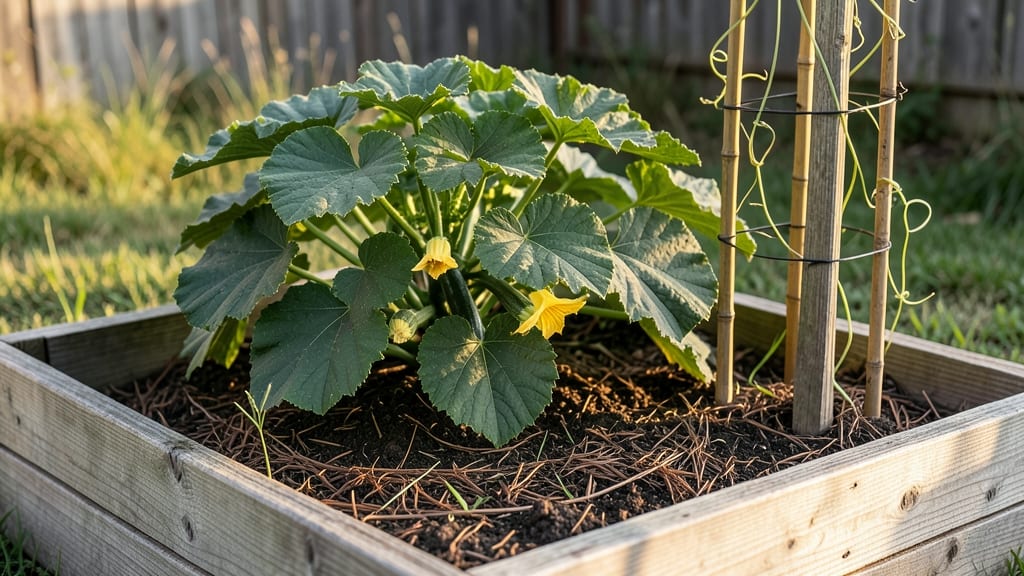
A raised bed for zucchini could be the game-changer your garden needs—especially if you're short on space or tired of fighting powdery mildew. 🌱 Last summer, my zucchini vines sprawled everywhere, stealing space from my herbs and tomatoes.
Then I built a 4-foot-wide raised bed, and suddenly, those hungry plants had room to thrive without crowding my other crops.
Zucchini love deep soil and good drainage, which raised beds deliver perfectly. You’ll need 3-foot-wide beds (zucchini need space to sprawl) with at least 12 inches of depth—no need for fancy materials, just sturdy wood or cedar.
Fill it with a mix of compost, aged manure, and garden soil, and watch those vines take off without competing with weeds or pests.
By mid-July, you’ll be harvesting 3-5 pounds of zucchini per plant—enough to share with neighbors or freeze for winter. The raised bed keeps the soil warm longer, so you’ll get an earlier start in spring and a later finish in fall.
Plus, no more digging in the dirt: just reach in, pick, and enjoy.
Works for small patios, urban balconies, or even stacked beds if you’re tight on ground space. Just avoid planting near potatoes (they compete for nutrients) and give those vines plenty of room to stretch. Ready to transform your zucchini game?
📚 In This Guide
- What you need
- Instructions
- Tips and common mistakes
- Wrapping up and next steps
What you need
- ● Raised bed frame: Wooden planks (cedar or redwood recommended) – 4 pieces, 8–12 ft long, 2x6 or 2x8 inches thick (or pre-built kit).
- ● OR Pre-assembled raised bed (minimum 4 ft x 8 ft for optimal zucchini growth).
- ● Landscape fabric: 1 roll (to prevent weed growth and soil erosion).
- ● High-quality soil mix: Topsoil – 2–3 cubic feet per square foot of bed.
- ● Compost – 1–2 cubic feet per square foot (zucchini loves nutrient-rich soil!).
- ● Perlite or vermiculite – 1–2 cups per square foot (for drainage).
- ● Zucchini seeds or seedlings: Seeds – 3–5 per hill (plant hills 2–3 ft apart).
- ● OR Seedlings – 2–3 per hill (transplant after last frost).
- ● Tools: Shovel or spade (for digging).
- ● Garden trowel (for planting seeds).
- ● Measuring tape (to ensure proper spacing).
- ● Garden hose or watering can (for hydration!).
- ● Mulch (straw or wood chips) – 2–3 inches to retain moisture.
- ● Trellis or stakes – For bush varieties (if you want vertical growth!).
- ● Soil test kit – To check pH (6.0–7.0 is ideal for zucchini).
- ● Organic fertilizer (balanced NPK, like 10-10-10) – 1–2 tbsp per plant at planting.
- ● Row cover or shade cloth – If your climate gets too hot (30–50% shade can help).
Step-by-Step instructions for building a raised bed for zucchini
Here’s how to create a vertical space-saving zucchini bed that maximizes growth and harvests.
🪴 Step 1: Choose and Assemble the Raised Bed Frame
Select a 4-foot-wide by 8-foot-long raised bed—this width lets you reach the center without stepping inside, and the length accommodates 4 zucchini plants with room to sprawl. I use cedar lumber (naturally rot-resistant) cut to 12-inch-high sides for easy planting and harvesting. Assemble the frame with galvanized screws (not nails) to ensure durability. Double-check corners are square by measuring diagonally—both sides should match.
Line the bottom of the frame with landscape fabric to block weeds and reduce soil loss. Secure it with staples along the edges, leaving no gaps. This step prevents invasive roots from competing with your zucchini and keeps soil contained. If your bed is on bare ground, add a 2-inch layer of gravel beneath the fabric for drainage—zucchini roots hate soggy feet.
🌱 Step 2: Fill the Bed with the Right Soil Mix
Fill the bed ⅔ full with a mix of equal parts garden soil, compost, and aged manure (like cow or horse). Zucchini are heavy feeders, so don’t skimp—this blend gives them the nutrients they crave without compacting. I sift the mix to remove clumps, then add a 2-inch layer of coarse sand on top for drainage. Press it down lightly with your hands—just enough to level the surface, but don’t compact it.
Top off with 2-3 inches of finished compost, then water everything thoroughly until the soil looks damp but not soggy. Wait 24 hours before planting—this lets the mix settle and prevents seedling roots from drowning. Pro tip: Sprinkle a slow-release fertilizer (like 10-10-10) over the soil before planting for a nutrient boost without burning tender roots.
☀️ Step 3: Plant Zucchini Seeds or Transplants
Drop 4-5 zucchini seeds (or transplants) into the bed, spacing them 2 feet apart in a square pattern. This gives their vines room to spread without crowding. Plant seeds 1 inch deep—they’ll need warmth to germinate, so cover them lightly with soil and press gently. Water the area deeply until the soil is moist 3 inches down. If using transplants, dig holes just deep enough to cover the roots but leave the stem crown above soil level—buried stems rot.
After planting, add a 1-2 inch layer of straw mulch around each plant to retain moisture and suppress weeds. Zucchini love warmth, so place the bed in a spot with full sun (6+ hours daily). If your area gets hotter than 90°F, provide afternoon shade to prevent wilting. You’ll see first true leaves in 7-10 days—that’s your cue to thin seedlings to the strongest 4 plants, snipping weaker ones at the base with clean scissors.
🌿 Step 4: Train Vines Vertically for Space Efficiency
As vines grow, guide them upward using trellis netting or bamboo stakes inserted into the bed’s corners. Zucchini vines can reach 10+ feet, but training them vertically saves space and makes harvesting easier. Weave the main stems through the netting and tie loosely with soft plant ties every 2-3 feet. Avoid tight knots—zucchini vines grow fast and can outstrip their supports.
Prune side shoots (suckers) that form below the first 6 inches of vine to focus energy on fruit production. You’ll know you’re doing it right when the main stem bears fruits every 12-18 inches. Harvest zucchini when they’re 6-8 inches long—any longer, and they turn woody. Regular picking encourages more blooms and a longer harvest season.
💧 Step 5: Water and Maintain for Maximum Yield
Water deeply 2-3 times per week, aiming for 1 inch of water total. Zucchini roots run deep, so soak the soil until it’s moist 6 inches down. Water at the base of plants in the morning to prevent fungal diseases. Mulch helps retain moisture, but check soil daily—wilting leaves mean it’s time to water. Overhead watering can spread mildew, so avoid sprinklers.
Fertilize monthly with a balanced liquid fertilizer (like 5-5-5) mixed at half-strength. Too much nitrogen makes leaves grow fast but delays fruit production. Watch for yellowing leaves—this often signals nitrogen deficiency, but brown edges mean overwatering. Adjust care based on what you see: strong, dark green leaves mean you’re on track for a bountiful harvest.
Tips & tricks for building the perfect raised bed for zucchini
Here's what I've learned from years of gardening—these tricks make all the difference for happy, productive zucchini plants.
Frame Stability: When assembling your 4-foot-wide by 8-foot-long cedar frame, use a level to ensure it sits perfectly flat before securing with galvanized screws. Uneven frames cause water pooling and uneven soil distribution. I also recommend pre-drilling screw holes to prevent wood splitting—this is especially important with cedar, which can be stubborn. Double-check those diagonal measurements again after assembly; a perfectly square frame makes planting and maintenance so much easier.
Soil Layering Secret: The ⅔ full soil mix in Step 2 is non-negotiable, but here's the pro move: add a thin layer of biochar (optional) mixed into the bottom third of your soil blend. This porous carbon material improves drainage and holds nutrients better than regular compost alone. If you don't have biochar, just make sure to sift your mix thoroughly—those clumps can create air pockets that stunt root growth. The 2-inch sand layer should be coarse, not fine playground sand—think chicken grit or horticultural sand available at garden centers.
Planting Precision: When placing your 4-5 zucchini seeds, create small mounds of soil rather than flat planting holes. This helps prevent water from pooling around seeds during those critical first waterings. After planting, press the soil gently with your fingers—just enough to make good seed-to-soil contact, but don't compact it. The 24-hour waiting period before planting is crucial: it lets the soil settle so roots can establish properly without sinking into loose soil. I've seen seedlings struggle when planted too soon—roots can't anchor properly in unsettled soil.
Vertical Training Hacks: For the trellis netting in Step 4, I prefer plastic-coated wire mesh over bamboo stakes—it's more durable and lasts multiple seasons. When tying vines, use old t-shirts or fabric strips instead of plastic ties; they stretch as the vines grow without cutting into the stems. And here's a game-changer: install your trellis before planting. You'll be amazed how much easier it is to weave young vines through pre-installed supports rather than trying to retrofit them later. The 6-8 inch harvest size is key—zucchini grow faster than you think!
Pro Tips for Raised Bed For Zucchini
- Here's what I've learned from years of gardening—these tricks make all the difference for happy, productive zucchini plants.
- Frame Stability: When assembling your 4-foot-wide by 8-foot-long cedar frame, use a level to ensure it sits perfectly flat before securing with galvanized screws.
- Soil Layering Secret: The ⅔ full soil mix in Step 2 is non-negotiable, but here's the pro move: add a thin layer of biochar (optional) mixed into the bottom third of your soil blend.
Frequently asked questions
Got questions about growing zucchini in raised beds? You’re not alone! Here are some of the most common queries—plus straightforward answers to help you grow like a pro.
What’s the best soil mix for zucchini in a raised bed?
Zucchini thrives in loose, well-draining soil with a pH of 6.0–7.0. Mix equal parts compost, topsoil, and perlite or sand to improve aeration. Avoid heavy clay—it can suffocate roots and lead to rot. Pro tip: Add a handful of aged manure or worm castings for extra nutrients!
When is the ideal time to plant zucchini in a raised bed?
Wait until after the last frost when soil temps hit 60°F+ (15°C+). For warm climates, plant in early spring (March–April); cooler zones may need to start indoors 2–3 weeks before transplanting. Zucchini grows fast—direct sow seeds 1–2 inches deep, 2–3 feet apart.
Can I grow zucchini in a raised bed without tilling?
Zucchini adapts well to no-till raised beds. Just lay down cardboard or newspaper to smother weeds, then top with 6+ inches of compost. This method preserves soil structure and reduces erosion. Bonus: It’s easier on your back!
How do I keep pests away from zucchini in raised beds?
Use a 3-step defense:
- Row covers (early season) to block squash bugs.
- Neem oil or insecticidal soap for aphids/spider mites.
- Interplant with basil or marigolds to repel pests naturally.
How deep should a raised bed be for zucchini?
Aim for 10–12 inches deep—this gives roots room to spread and holds moisture. If your bed is shallower (<8 inches), amend with extra compost to compensate. Pro tip: Deeper beds also reduce watering frequency in hot climates!
Can I grow more than one zucchini plant in a 4’x4’ raised bed?
Yes! A 4’x4’ bed fits 4–6 plants (spaced 2–3 feet apart) if you use bush varieties like ‘Eight Ball’ or ‘Black Beauty.’ For vining types (like ‘Straight Eight’), limit to 2–3 plants or train vines up a trellis to save space.
Wrapping up and next steps
Growing zucchini in a raised bed isn’t just smart—it’s a game-changer for small spaces and busy gardeners! 🌱 With the right setup, you’ll enjoy healthier plants, fewer pests, and a harvest that rivals (or even beats) traditional gardening.
Whether you’re a beginner or a seasoned pro, this method makes zucchini care easier and more rewarding.
Ready to dive in? Start by sketching your bed design, gathering your materials, and planting those seeds or seedlings this weekend. Before you know it, you’ll be feasting on homegrown zucchini—and maybe even sharing the bounty with neighbors! Happy gardening! 🌿