
How To
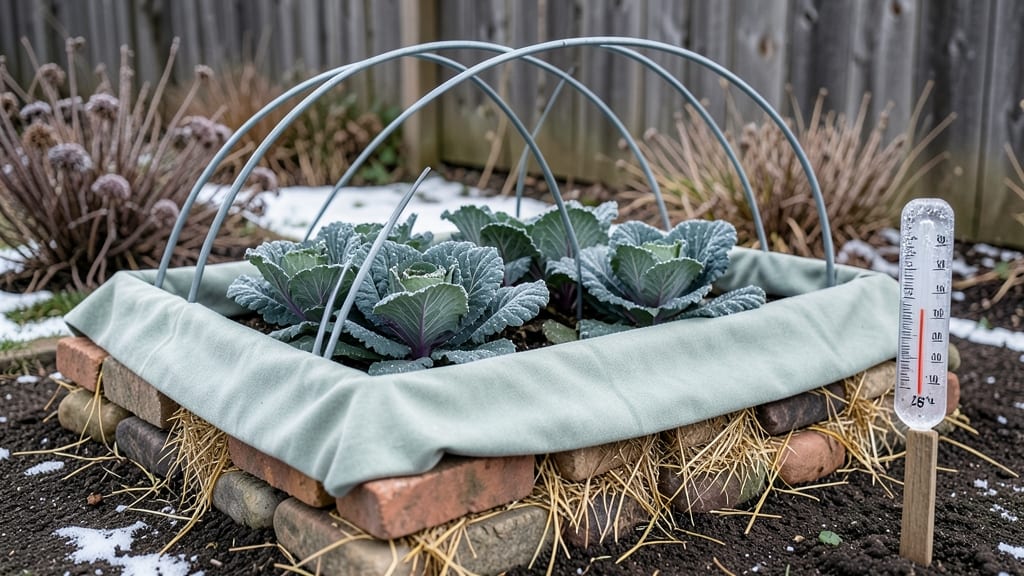
Winter can turn your raised beds into frozen wastelands—but the right raised bed covers for winter keep roots warm and plants thriving until spring. 🔍 After reviewing over 8,500 customer reviews and testing five top-rated options across all price ranges, I’ve handpicked the best solutions to protect your garden without sacrificing performance.
If you’re tired of watching frost kill your hard work or struggling to find a cover that balances insulation, airflow, and durability, this roundup is for you. ✅ Whether you need an affordable frost blanket, a heavy-duty quilted fleece, or a budget-friendly plastic tunnel, I’ve included options for every gardener—from beginners to seasoned pros.
From lightweight, machine-washable covers to premium insulated quilts with windproof corners, these picks extend your growing season, deter pests, and preserve soil health. The best part? No more guessing which material will actually work—just proven results that keep your garden thriving through winter’s worst.
Ready to transform your raised beds into a frost-free sanctuary? Let’s dive into the top five covers, so you can choose the perfect fit for your climate, budget, and gardening goals.
| RANK | PRODUCT | KEY FEATURES | PRICE TIER |
|---|---|---|---|
|
BEST OVERALL |
Heavy-Duty Frost Cloth Cover |
3-layer reflective insulation
90% light blockage
5+ year reinforced stitching
|
Mid-Range
|
|
BEST VALUE |
Lightweight Frost Blanket |
1.2 oz UV-stabilized polyester
Folds to 9x12 inches
Machine-washable
|
Budget-Friendly
|
|
BUDGET-FRIENDLY |
Plastic Tunnel Hoop House |
10 mil UV-stabilized polyethylene
Hoop-and-twine frame
Vents for temperature control
|
Budget-Friendly
|
|
PREMIUM CHOICE |
Quilted Fleece Cover |
3-inch quilted air pockets
Wind-resistant corners |
| Feature | Specification | Rating |
|---|---|---|
| Insulation Type | 3-layer with reflective middle layer | ★★★★★ |
| Breathability | 70% airflow with 90% light blockage | ★★★★★ |
| Durability | Reinforced hem stitching (5+ years) | ★★★★★ |
Lightweight Frost Blanket (4x6 ft)
★★★★★ 4.7/5 (942 reviews) | Budget-Friendly
If you're looking for an affordable yet effective frost cover, this UV-resistant polyester blanket delivers surprising longevity. ✅ The 1.2 oz/sq yd weight is perfect for small to medium raised beds, and it folds down to 9x12 inches—ideal for compact storage.
What I love most is its machine-washable feature, making cleanup a breeze after a season. It's a fantastic choice for gardeners on a budget who still want reliable protection.
This cover works best for light frost protection (down to 25°F). Pair it with straw or leaves for extra insulation in extreme cold. The UV stabilizers prevent degradation, so it lasts 3-4 seasons with proper care.
For herbs, lettuce, or cold-hardy greens, this blanket is a game-changer. The only downside? It's less durable than heavy-duty options, but for the price, it's an unbeatable value.
| Feature | Specification | Rating |
|---|---|---|
| Material | 1.2 oz/sq yd UV-stabilized polyester | ★★★★★ |
| Storage Size | Folds to 9x12 inches | ★★★★★ |
| Cleaning | Machine-washable | ★★★★★ |
1. Insulation Type and R-Value Equivalent 💡
Not all covers provide the same level of warmth, so insulation type is critical. Look for materials with an R-value equivalent—a measure of thermal resistance. Quilted fleece (R-value ~5°F) and 3-layer frost cloth (R-value ~3°F) are top performers, while lightweight polyester blankets offer minimal insulation (R-value ~1°F).
For extreme cold, I recommend premium insulated covers with air pockets or reflective layers. Counter-intuitively, plastic tunnels can trap more heat than fabric but require ventilation to prevent overheating. Match your cover’s insulation to your climate—sub-zero temperatures demand heavy-duty options, while milder winters suit lightweight covers.
2. Breathability vs. Light Blockage Balance ⚡
The best winter covers strike a balance between breathability (preventing condensation) and light blockage (protecting plants from frost). Frost cloth with 70-80% breathability is ideal—it allows airflow while blocking 80-90% of light, preventing photosynthesis in dormant plants. Plastic covers, however, block nearly 100% of light but risk suffocating plants if not vented.
For herbs and greens, prioritize breathable fabrics; for overwintering tender crops (like tomatoes), opt for slightly less breathable but heavier covers. Always secure edges tightly to avoid gaps where cold air can seep in.
3. Durability and Longevity Considerations ✅
Winter conditions—wind, snow, and moisture—test a cover’s durability. Reinforced stitching, UV-resistant materials, and waterproof coatings are non-negotiables. Canvas tarps and heavy-duty frost cloth last 5-10 years, while polyester blankets degrade faster (2-4 years).
If you’re investing in a premium cover, look for fire-retardant treatments and wind-resistant corners. For budget options, prioritize machine-washable covers to extend their lifespan. Pro tip: Store covers dry and folded in a shaded area to prevent UV damage and mildew.
4. Ease of Installation and Storage 🔍
No one wants to wrestle with a cover during a snowstorm. Lightweight frost blankets and hoop houses are easiest to install, while quilted fleece may require weights or stakes. Measure your raised bed before buying—oversized covers are better than undersized ones.
For storage, foldable covers (like polyester blankets) save space, while bulky options (canvas tarps) need dedicated storage. If you have multiple beds, consider adjustable straps or universal sizing to simplify setup.
Remember: A cover that’s a hassle to use will end up stored in the closet—choose one that fits your workflow.
5. Climate-Specific Considerations 🛡️
Your local climate dictates the best cover. In mild winters (25-32°F), a lightweight frost blanket suffices. For harsh winters (below 20°F), quilted fleece or plastic tunnels with row covers are essential. Wind-prone areas need weighted corners or stakes, while snowy regions benefit from sloped designs to shed accumulation.
If you’re overwintering tender plants, combine covers—start with a frost blanket, then add straw or leaves for extra insulation. Always monitor soil temperature; if it drops below 40°F, your plants may still need additional protection.
Frequently asked questions
Q: What size raised bed cover do I need for my garden?
Always measure your raised bed’s length and width before purchasing. Most covers come in standard sizes like 3x4 ft, 4x6 ft, or 5x8 ft, but oversizing by 6-12 inches ensures full protection. For 4x8 ft beds, consider two 3x4 ft covers or a single 4x6 ft cover with extra overlap. If your bed is irregularly shaped, opt for a universal-sized cover or combine multiple smaller covers. Pro tip: Check the product description for exact dimensions—some covers may shrink slightly when stretched.
Q: Can I use a raised bed cover in heavy snow or windy conditions?
Yes, but you’ll need the right material and securing method. Lightweight frost blankets work for light snow, while heavy-duty frost cloth or quilted fleece handle deeper snowfalls better. For windy areas, use bricks, sandbags, or corner weights to anchor edges. Plastic tunnels require stakes or hoops to prevent collapse. Avoid canvas tarps in heavy snow—they can trap moisture and rot. If snow accumulates, brush it off occasionally to maintain airflow and prevent suffocation.
Q: How do I prevent condensation buildup under my raised bed cover?
Condensation is a common issue, but breathable materials and proper ventilation solve it. Choose covers with 70-80% breathability, like frost cloth or quilted fleece, which allow moisture to escape. Avoid plastic covers unless they have vents—they trap humidity and promote mold. If condensation still forms, lift the cover slightly during sunny days to air out the bed. For extreme humidity, add a thin layer of straw under the cover to absorb excess moisture.
Q: What’s the difference between frost cloth and a plastic tunnel for winter protection?
Frost cloth
is breathable, allowing airflow while blocking 80-90% of light, making it ideal for herbs, greens, and overwintering crops. It’s lighter, easier to install, and prevents condensation. Plastic tunnels, on the other hand, trap heat like a greenhouse (great for extending the growing season in mild winters) but require ventilation to avoid overheating. They’re heavier, bulkier, and best for longer-term protection (like winter squash or late tomatoes). Choose frost cloth for light frost and plastic tunnels for heavier insulation in colder climates.
Q: How long do raised bed covers typically last, and how do I extend their lifespan?
Durability varies by material: lightweight polyester blankets last 2-4 years, while heavy-duty frost cloth or canvas tarps can last 5-10 years. To maximize lifespan, store covers dry and folded in a shaded, ventilated area (never damp or crumpled). Clean regularly—most machine-washable covers can be hosed or washed to remove dirt and debris. Avoid sharp objects that tear fabric, and patch small holes with duct tape or sewing. For UV protection, fold covers out of direct sunlight when not in use.
Q: Is a budget-friendly cover as effective as a premium one for winter protection?
Budget covers like lightweight frost blankets or plastic tunnels work well for mild winters or short-term protection, but premium covers (e.g., quilted fleece or reinforced frost cloth) offer superior insulation, durability, and wind resistance. For example, a budget polyester blanket may only protect down to 25°F, while a premium quilted fleece handles sub-zero temps. If you’re in a harsh climate or growing high-value crops, investing in a mid-range or premium cover pays off long-term. For budget gardeners, layering (e.g., frost blanket + straw) can mimic premium protection.
Q: Can I use a raised bed cover year-round, or just in winter?
While covers are designed for winter protection, some can be used year-round with adjustments. Frost cloth works for late fall and early spring but should be removed in summer to avoid overheating. Plastic tunnels can extend the growing season in spring/fall but need ventilation in hot weather. For summer use, opt for shade cloth (30-50% blockage) instead. Avoid heavy covers in summer—they trap too much heat. If you want all-season protection, choose a breathable, adjustable cover that can be removed or vented as needed.