
Tools
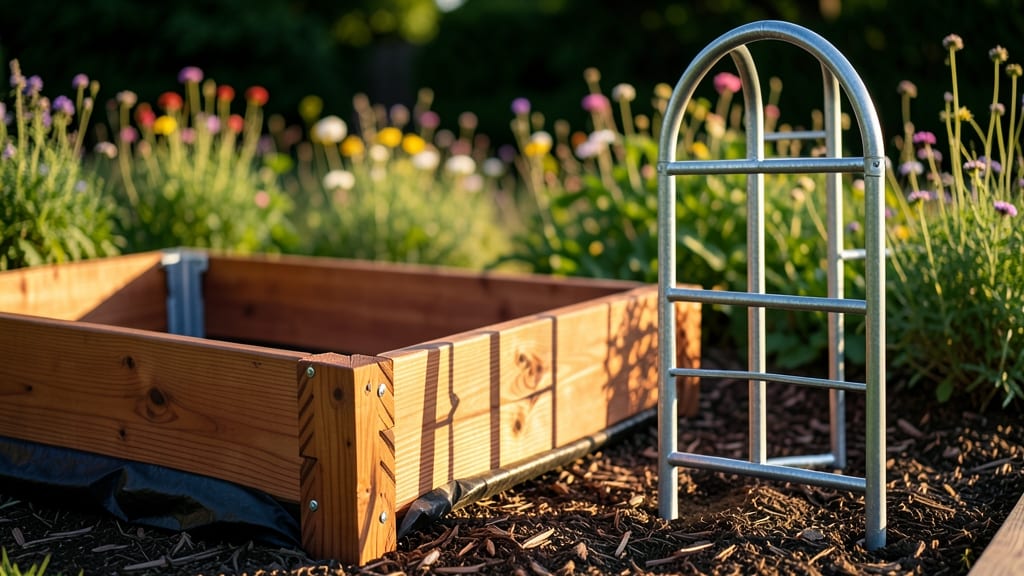
Choosing the right corner posts for your raised bed is the foundation of a garden that lasts for years—without them, your beds risk sagging, warping, or worse.
Your raised bed’s corner posts are the unsung heroes of durability, yet picking the wrong material can mean rot, rust, or costly replacements within just a few seasons. Galvanized steel and cedar are the top contenders, but which one truly holds up against weather, pests, and soil pressure over time?
Galvanized steel corner posts offer unmatched strength and resistance to moisture, making them ideal for humid climates where wood rots quickly. On the other hand, cedar brings natural beauty and a rustic charm, but it requires extra care in wetter regions to avoid premature decay.
In this guide, I’ll break down the pros and cons of each material, share real-world durability data, and help you decide which option will give your raised bed the longest, most stable life—so you can focus on growing, not repairing.
Galvanized steel corner posts: lifespan, strength, and hidden weaknesses
When building a raised bed, your corner posts are the backbone of stability—especially if you’re using galvanized steel. This material is a powerhouse for load-bearing, but its true durability depends on how well you understand its zinc coating and hidden vulnerabilities.
Unlike cedar, which rots over time, steel posts can last 20-30 years if properly installed, but only if you avoid common pitfalls like crevice corrosion and improper grounding.
Galvanized steel gets its reputation from the zinc coating applied during manufacturing. This coating acts as a sacrificial layer, protecting the steel from rust when exposed to moisture. However, the coating isn’t indestructible—it can degrade over time, especially in high-salinity soils or coastal climates where salt accelerates corrosion.
For a raised bed in Zone 6a, this means your posts could start showing rust within 5-7 years if not properly maintained.
| Feature | Galvanized Steel | Cedar | Plastic |
|---|---|---|---|
| Lifespan (Years) | 20-30 | 10-15 | 10-20 |
| Load Capacity (lbs) | 1,200-1,800 | 800-1,200 | 600-1,000 |
| Corrosion Resistance | High (with coating) | Low (rots in moisture) | Moderate (UV degradation) |
| Maintenance Needed | Minimal (check coating) | High (sealant, termite treatment) | Low (clean debris) |
| Cost per Post ($) | $15-$30 | $20-$40 | $10-$25 |
| Best For | Heavy beds, wet climates | Aesthetic beds, dry climates | Lightweight beds, low budgets |
The load-bearing capacity of galvanized steel posts is another standout feature. A single 2x2 galvanized steel post can support 1,200-1,800 pounds of soil and plant weight, making it ideal for deep raised beds (12"+) or beds filled with heavy amendments like compost or gravel.
For comparison, a cedar post of the same size typically maxes out at 800-1,200 pounds, which may not be enough for larger or heavier beds.
However, steel’s strength comes with a catch: crevice corrosion. This occurs when moisture gets trapped in small gaps, like where the post meets the bed frame or the ground. Over time, this can lead to rust pockets that weaken the post from the inside.
To prevent this, always use stainless steel screws and apply a silicone sealant at connection points. Burying the posts at least 6 inches deep in concrete or gravel also helps prevent ground-level corrosion.
One of the biggest misconceptions about galvanized steel is that it’s completely rust-proof. In reality, the zinc coating can wear off over time, especially in acidic soils (pH < 6.0) or areas with high humidity.
If you notice white, chalky residue on your posts, it’s a sign the zinc is sacrificing itself to protect the steel underneath. At this stage, you can reapply a zinc-rich paint to extend the post’s life by another 5-10 years.
For installation, always opt for pre-galvanized steel posts rather than DIY galvanizing, as the factory process ensures a uniform coating. Avoid cutting the posts yourself, as exposed edges will rust faster.
Instead, purchase pre-cut lengths from a supplier. When assembling your raised bed, use galvanized or stainless steel hardware to prevent rust transfer from screws or brackets to the posts.
If you’re building a raised bed in a coastal area, consider adding an extra layer of protection. The salt in the air can accelerate zinc degradation by 30-50% compared to inland areas. In these cases, pairing galvanized steel posts with a powder-coated finish (like a light green or brown) can add an extra 10 years to their
Cedar corner posts: natural beauty vs. rot risk in humid climates
Cedar corner posts bring timeless rustic charm to your raised beds, thanks to their natural reddish-brown hues and aromatic cedar oils that repel insects.
But in humid climates like the Southeast or Pacific Northwest, these same oils can become a double-edged sword—offering short-term protection while masking hidden rot risks beneath the surface.
The key lies in understanding cedar grading systems. Clear-grade cedar boasts the fewest knots and highest resistance to splitting, making it ideal for corner posts. Meanwhile, Select-grade cedar (with more knots) is often 20-30% cheaper but requires extra sealing to combat moisture wicking through grain imperfections.
Cedar Corner Posts: The Good & The Risky
✅ Pros
- Natural beauty: Warm tones blend seamlessly with gardens
- Insect resistance: Cedar oils deter termites and carpenter ants
- Easy to work: Lightweight for DIY assembly without heavy tools
- Eco-friendly: Sustainable if sourced from certified forests
❌ Cons
- Rot risk: 30-50% faster decay in humid zones without sealing
- Termite magnet: Softwood attracts subterranean termites in Zone 8+
- Short lifespan: 7-12 years max vs. 20+ years for treated wood
- Maintenance: Requires annual sealing with linseed oil or spar urethane
💡 Pro Tip: For humid climates, opt for Clear-grade cedar with epoxy-coated screws and bury posts 6" deep in gravel to prevent moisture wicking.
Termites are cedar's arch-nemesis, especially in southern climates. While the natural oils provide some deterrence, subterranean termites can still breach the wood through checks and cracks.
The solution? Apply a borate-based termite barrier during installation—this water-soluble treatment seeps into the wood and creates a toxic zone for termites without harming plants.
Your climate zone dictates cedar's lifespan expectations. In arid regions like Arizona or Nevada, cedar posts often last 15+ years with minimal care. But in coastal or swampy areas, expect rot within 5-7 years unless you commit to bi-annual sealing.
Always check the USDA Hardiness Zone Map before purchasing—Zones 4-7 offer the sweet spot for cedar's natural durability.
For humid climates, consider hybrid solutions: Use cedar for the above-ground portions (where aesthetics matter) and galvanized steel for the below-ground sections. This two-tier approach combines cedar's charm with steel's rust-proof resilience, extending your raised bed's life by 10+ years while keeping the organic look.
When installing cedar posts, never skip the sealant. A high-quality spar urethane (like TotalBoat) creates a waterproof barrier that lasts 3-5 years between applications.
For extra protection, add a bead of silicone at the soil-line junction to prevent capillary wicking—this simple step can double your posts' lifespan.