
Tools
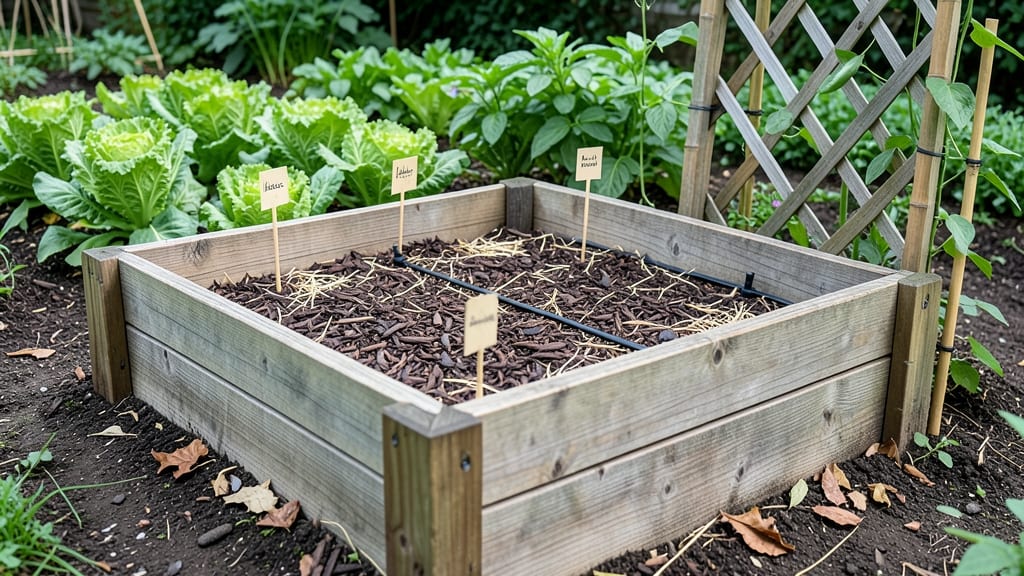
Unconventional outdoor raised garden bed ideas can turn your backyard into a high-yield, space-saving paradise 🌱—think beyond the box with shapes that boost productivity and beauty.
Tired of rectangular garden beds hogging your yard? Unconventional designs like spiral beds, keyhole gardens, and vertical tiers let you grow more in less space while adding visual interest. These creative layouts also improve airflow and accessibility, making gardening easier on your back.
Whether you’re working with a small balcony or a sprawling backyard, the right shape can maximize sunlight exposure and soil depth for your favorite plants. From tiered herb gardens to circular flower beds, there’s a design that fits your style and space.
In this guide, I’ll walk you through 10 unique shapes, material options, and DIY tips to build beds that are as functional as they are beautiful—so you can grow more without taking over your yard.
10 Unconventional raised garden bed shapes to maximize space
Traditional rectangular raised beds can feel limiting, especially when you're working with small spaces or want to create a visually striking garden. Unconventional shapes not only break the monotony but also optimize sunlight exposure, plant placement, and even accessibility.
Whether you're growing vegetables, herbs, or flowers, these creative designs help you grow more in less space while adding unique charm to your outdoor area.
From spiral designs that mimic natural ecosystems to keyhole gardens that save space and reduce waste, these alternatives are perfect for urban balconies, backyard corners, or even sloped landscapes. Each shape offers distinct advantages—like improved drainage, easier maintenance, or better pest control—while keeping your garden both functional and beautiful.
Here’s how these innovative designs can transform your gardening experience, with a comparison of their key benefits and best-use scenarios:
| Shape Name | Space-Saving Benefit | Best For | Sunlight Optimization | Accessibility |
|---|---|---|---|---|
| Spiral Bed | Uses curved paths to maximize edge planting | Herbs, leafy greens, small veggies | Gradual sun exposure from center to edge | Easy access to all plants |
| Keyhole Garden | Central compost hole reduces waste and saves space | Vegetables, flowers, succulents | Full sun access to all areas | Low-maintenance, minimal bending |
| Tiered Beds | Vertical layers increase planting surface | Trailing plants, herbs, shallow-rooted veggies | Customizable sun exposure per tier | Elevated access reduces strain |
| Hexagonal Beds | Efficient space use with angular design | Flowers, bush beans, compact tomatoes | Even sun distribution | Easy navigation between beds |
| Arc/Semi-Circle | Curved edges fit into corners or edges | Climbing plants, tall flowers | Full sun on outer edges | Natural flow for movement |
| Square Foot Garden | Modular grid maximizes small spaces | Mixed veggies, herbs, microgreens | Customizable sun patches | Easy planting and harvesting |
| Teardrop Bed | Narrow base saves space along fences | Row crops, tall plants | Full sun on broad side | Accessible from one side |
| L-Shaped Bed | Fills corners efficiently | Mixed plant types, borders | Sun exposure on both legs | Easy access to all sections |
| Vertical Pocket Garden | Wall-mounted pockets for urban spaces | Herbs, strawberries, lettuce | Customizable per pocket | No bending required |
| Wave/Undulating | Creates microclimates for diverse plants | Sun-loving and shade-tolerant plants | Varied sun exposure | Natural aesthetic and flow |
One of my favorite unconventional shapes is the spiral bed, which mimics the natural layers of a forest ecosystem. The outer edges receive full sun, perfect for heat-loving plants like tomatoes or peppers, while the inner curves provide partial shade for lettuce or spinach.
This design also creates a natural water flow—rainwater drains efficiently without pooling, reducing the risk of root rot.
For small urban spaces, a keyhole garden is a game-changer. The central compost hole not only reduces waste but also provides a steady supply of nutrients to the surrounding plants.
I’ve used this design in my balcony garden to grow carrots, radishes, and herbs in just 3 square feet of space—proof that you don’t need a backyard for a thriving garden.
The tiered raised bed is another space-saver that adds visual interest. Each level can be planted with different crops, like strawberries on the top tier (for easy picking) and root vegetables in the lower layers.
This design also works wonders for drainage, as excess water flows downward naturally, keeping roots healthy and happy.
If you love the look of a hexagonal or arc-shaped bed, these designs fit perfectly into tight corners or along fences. They’re ideal for growing climbing plants like cucumbers or beans, as the curved edges provide natural support.
Plus, the angular shape makes it easy to navigate between plants without stepping on the soil.
For those with limited mobility, elevated or vertical designs like pocket gardens or tiered beds are a lifesaver. They eliminate the need for bending or kneeling, making gardening more accessible.
I’ve seen seniors and children alike enjoy gardening thanks to these thoughtful designs, which bring the garden to a comfortable height.
Don’t overlook the square foot garden for small spaces. This modular approach lets you divide your bed into 1-foot squares, each dedicated to a specific plant. It’s perfect for intensive planting and makes it easy to rotate crops or experiment with different varieties in a single season.
Finally, if you’re working with a sloped yard, a wave or undulating bed can create stunning visual layers while also managing erosion. The varying heights allow you to plant sun-loving species on the higher sections and shade-tolerant plants in the dips, creating a self-sustaining microclimate.
Ready to break free from the rectangular mold? Start with one of these space-saving shapes and watch your garden transform—both in productivity and beauty. Which design will you try first? 🌱
How to choose the best shape for your yard and plants
Choosing the right shape for your raised garden bed isn't just about aesthetics—it's about optimizing sunlight exposure, plant compatibility, and maintenance ease. My first garden was a simple rectangle, but after experimenting with curves and tiers, I realized how much more efficient unconventional shapes can be.
The key is matching your bed's design to your yard's natural conditions and the needs of your plants.
Start by analyzing your sunlight patterns. A spiral bed works beautifully in sunny spots because it allows you to plant sun-loving veggies on the outer edges while shade-tolerant herbs thrive in the center.
My tomatoes and peppers get full morning sun, while basil and lettuce stay cooler in the afternoon shade created by the spiral's curve. This zoning saves space and boosts yields.
Here’s how to match shapes to your unique conditions:
- 🌞 Sunlight Exposure: Choose long, narrow beds (e.g., 4' wide x 8' long) for even sun distribution. Avoid deep shadows with keyhole gardens—their open center ensures light reaches all plants.
- 🌱 Soil Depth Needs: Tiered beds are ideal for deep-rooted plants like carrots or asparagus, while shallow-rooted herbs thrive in vertical pockets or wave-shaped beds.
- 👩🌾 Plant Compatibility: Group companion plants (e.g., basil + tomatoes) in circular or oval beds for easy access. Avoid mixing water-hungry plants (like cucumbers) with drought-tolerant ones (like rosemary).
- 🪴 Maintenance Ease: Square or rectangular beds with straight edges are easiest to weed and harvest. Add access paths (4' wide) between beds to reduce soil compaction from stepping.
- 💧 Watering Efficiency: Spiral or keyhole beds reduce water waste by concentrating moisture in the center. Use drip irrigation along the outer edges for even distribution.
Don’t overlook your yard’s topography. A sloping area? Build contour-shaped beds to prevent erosion and water runoff. My backyard’s gentle hill now features terracing with raised beds, creating flat planting zones while blending into the landscape. This also reduces the need for excessive irrigation.
Test your bed’s shape before committing to a full build. Use stakes and string to outline potential designs, then walk through the space to check for accessibility and sunlight gaps.
I once sketched a hexagonal bed that looked perfect on paper—until I realized it blocked my morning light. Adjusting it to a trapezoidal shape solved the problem and added visual interest.
Finally, consider seasonal changes. A vertical garden might work perfectly for summer herbs but could become a winter maintenance nightmare if not secured.
My winter squash thrives in a low, wide bed where vines spread easily, while winter greens like kale grow well in narrow, deep trenches to retain heat.
Your yard’s shape and plant needs are unique—experiment to find what works best. Start small, observe how sunlight and shadows shift throughout the day, and adjust as needed. With the right design, your garden will be both functional and visually stunning. 🌿