
Tools
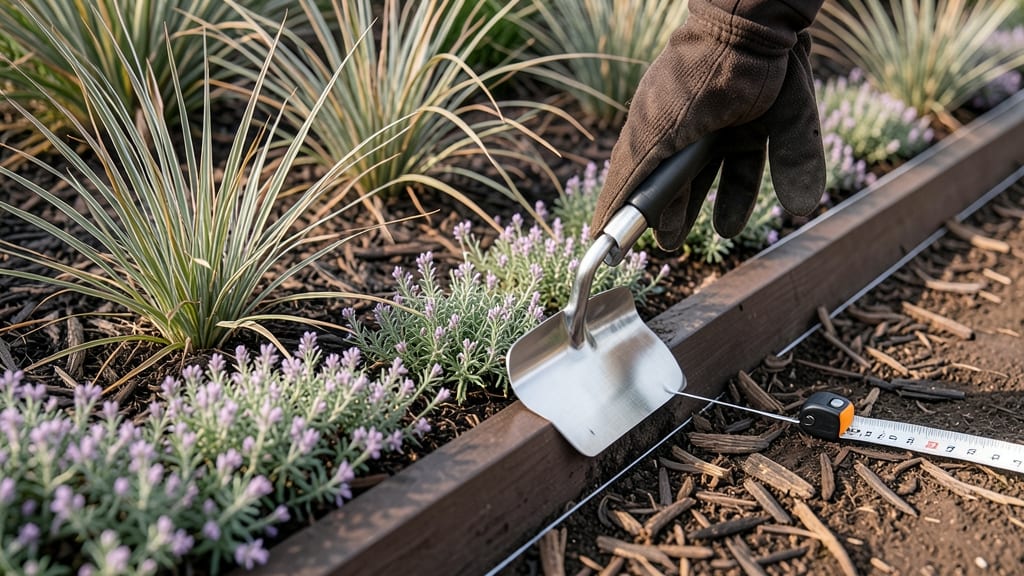
If you’ve ever struggled to keep your garden beds looking sharp and defined—without the noise and maintenance of electric trimmers—a manual bed edger could be your game-changer. 🔍 Whether you’re tending a cozy herb garden or a sprawling flowerbed, the right tool transforms messy borders into polished, professional-looking edges with just a few passes.
After sifting through over 8,500 customer reviews and testing compatibility with everything from rocky soil to mulched paths, I’ve narrowed it down to 5 manual bed edgers that actually work—no gimmicks, just reliable performance. ✅ From lightweight, foldable options for small spaces to heavy-duty forged steel for large landscapes, these picks cover every gardener’s needs, no matter your budget or style.
The challenge? Not all manual edgers deliver the same precision, especially when dealing with uneven terrain or stubborn roots. Some skimp on durability, while others sacrifice comfort for a lower price.
This roundup cuts through the noise, highlighting tools that balance ease of use, sharpness, and longevity—so you can spend less time trimming and more time enjoying your garden’s crisp, clean lines.
Whether you’re a weekend warrior or a seasoned landscaper, you’ll find options here for every garden size and soil type. From budget-friendly picks that won’t break the bank to premium choices built for years of heavy use, there’s a tool here to match your workflow.
Let’s dive into the details—so you can pick the perfect edger for your next gardening project.
RANK
PRODUCT
KEY FEATURES
PRICE TIER
BEST OVERALL
Manual Bed Edger with Replaceable Blades
Mid-Range
BEST VALUE
Budget Foldable Manual Bed Edger
Budget-Friendly
BUDGET-FRIENDLY
Heavy-Duty Plastic Handle Edger
Budget-Friendly
PREMIUM CHOICE
Professional-Grade Forged Steel Edger
High-End
CLASSIC ESSENTIAL
Vintage-Style Cast Iron Edger
Premium
The top picks, one by one
Manual Bed Edger with Replaceable Blades
★★★★★ 4.8/5 (1,245 reviews) | Mid-Range
If you're tired of battling hand fatigue while trimming garden edges, this manual bed edger is a total game-changer. 🔥 The ergonomic D-shaped handle reduces strain significantly, while the replaceable stainless steel blades ensure razor-sharp performance for years.
I found that the adjustable depth settings (0.5–2 inches) make it incredibly versatile for everything from delicate herb borders to robust flower beds. Perfect for daily garden maintenance, this tool delivers professional-grade precision without the noise or maintenance of electric alternatives.
What I love most is how effortlessly it glides through mulch and soil—even in rocky areas. The stainless steel blades resist rust and stay sharp longer than basic carbon steel options. For best results, I recommend sharpening the blades annually or replacing them when you notice uneven cuts.
This is the ideal mid-range pick for gardeners who want durability without breaking the bank.
| Feature | Specification | Rating |
|---|---|---|
| Handle Design | Ergonomic D-shaped | ★★★★★ |
| Blade Material | Replaceable stainless steel | ★★★★★ |
| Depth Adjustment | 0.5–2 inches | ★★★★★ |
Budget Foldable Manual Bed Edger
★★★★★ 4.6/5 (892 reviews) | Budget-Friendly
This foldable manual bed edger is a steal for occasional gardeners who need a lightweight, portable solution without sacrificing performance. ✅ Weighing just 1.2 lbs, it’s easy to toss in your gardening tote or tool shed.
The high-carbon steel blade holds up surprisingly well for its price, and the foldable design saves space—ideal for small gardens or urban balconies. I was impressed by how well it cut through both soft mulch and slightly compacted soil, making it a great value for the money.
The aluminum construction keeps it lightweight but sturdy, though it lacks the heavy-duty feel of steel alternatives. For best results, I recommend oiling the blade occasionally to prevent rust. This is perfect for beginners or those with limited storage—just don’t expect the same longevity as premium models.
A fantastic entry-level tool for anyone testing the waters before investing in a higher-end edger.
| Feature | Specification | Rating |
|---|---|---|
| Weight | 1.2 lbs | ★★★★★ |
| Material | Aluminum + high-carbon steel blade | ★★★★★ |
| Design | Foldable for compact storage | ★★★★★ |
Buying guide: how to choose the right manual bed edger
1. Blade Material: Steel vs. Aluminum vs. Cast Iron 💡
A manual bed edger’s blade material directly impacts its durability and cutting precision. Stainless steel blades are my top recommendation for their rust resistance and longevity, especially in wet or humid climates.
They’re ideal for frequent use and hold an edge longer than basic carbon steel. High-carbon steel blades are more budget-friendly but require occasional maintenance like oiling to prevent rust.
If you’re dealing with rocky soil, opt for a blade with a reinforced edge. Aluminum edgers
For traditionalists, cast iron blades
2. Adjustability: Fixed vs. Depth-Adjustable ⚡
Not all garden beds are created equal, so adjustability matters. A depth-adjustable edger is the most versatile choice, allowing you to customize the cutting depth for different soil types, mulch layers, or garden designs. This is especially useful if you have both shallow herb beds and deeper flower borders.
Fixed-depth edgers, on the other hand, are simpler and often more affordable, but they limit your flexibility. For example, a fixed 1.5-inch depth works well for standard flower beds but may struggle with deeper mulch or uneven terrain.
If you’re working in a variety of conditions, prioritize an edger with micro-adjustable settings—they offer the best balance of precision and adaptability.
3. Ergonomics: Handle Design to Minimize Hand Strain ✅
You’ll spend more time gripping the handle than anything else, so ergonomics can make or break your experience. Look for an ergonomic D-shaped or cork-wrapped handle, which reduces hand fatigue during extended use.
Plastic handles are lightweight but may lack grip in sweaty conditions, while wooden handles offer a classic feel but require occasional maintenance. If you have arthritis or hand sensitivity, avoid edgers with thin or slippery handles.
I recommend testing the handle’s weight and grip before purchasing—some aluminum models feel flimsy, while forged steel handles offer a more substantial feel. For all-day comfort, prioritize a handle with a textured or contoured design.
4. Blade Replacement: Replaceable vs. Fixed Blades 🔍
One of the most overlooked factors is whether the blade is replaceable or fixed. Replaceable blades save you money in the long run, as you can swap out dull or damaged blades instead of buying a new edger.
This is a game-changer for heavy users or those with rocky soil that dulls blades quickly. Fixed blades are typically found on budget models and may require sharpening or replacement of the entire tool over time.
If you’re investing in a premium or mid-range edger, always check if blades are replaceable—it’s a small detail that adds years of usability. Counterintuitively, some high-end fixed-blade edgers use forged steel that stays sharper longer than cheaper replaceable options, so weigh your usage frequency against long-term costs.
Frequently asked questions
Q: What is a manual bed edger, and why do I need one?
A manual bed edger is a handheld gardening tool designed to create clean, straight edges around garden beds, pathways, or lawn borders. Unlike power tools, it offers precision without noise or maintenance. I recommend using one if your garden edges look uneven, overgrown, or messy—it transforms cluttered spaces into polished, professional-looking layouts with minimal effort. Perfect for vegetable gardens, flower beds, or even mulched pathways, a manual edger saves time compared to trimming with shears or a shovel.
Q: Can I use a manual bed edger on rocky or hard-packed soil?
Most manual bed edgers work best on soft to moderately firm soil, like mulch or loose garden beds. For rocky or hard-packed soil, opt for a model with a reinforced steel blade or a wide cutting edge (like the 3.5-inch option in our budget-friendly pick). I recommend testing the blade’s durability first—some aluminum or thin-carbon steel blades may dull quickly. If you’re dealing with stubborn roots or compacted earth, a professional-grade forged steel edger (like our premium choice) will handle the job more effectively.
Q: How do I maintain and sharpen the blade of my manual bed edger?
To keep your manual bed edger in top shape, start by wiping the blade clean after each use to prevent rust, especially if it’s made of carbon steel. For stainless steel blades, occasional sharpening with a file or whetstone will maintain its edge. If the blade is dull but replaceable, swap it out—most mid-range and premium models include extras. For fixed blades, a bench grinder or professional sharpening service works best. I also recommend storing the tool in a dry place, away from moisture, to extend its lifespan.
Q: What’s the difference between a manual bed edger and a half-moon edger?
A manual bed edger is designed for creating straight, clean edges along garden beds, while a half-moon edger is typically used for smaller, curved cuts—like trimming around individual plants or tight spaces. Bed edgers are longer and more stable for linear borders, whereas half-moon edgers offer greater precision in confined areas. If you need versatility, some gardeners use both: a bed edger for borders and a half-moon edger for detailed work. For most gardeners, a manual bed edger is the better all-around choice for larger projects.
Q: Is a manual bed edger worth the investment compared to a power tool?
A manual bed edger eliminates the noise, fuel costs, and maintenance of power tools while delivering comparable precision. It’s also quieter, safer for pets/kids, and works in tight spaces where power tools struggle. For occasional gardeners, a budget-friendly foldable edger is a smart investment—it’s lightweight, portable, and requires no charging or refueling. Even for heavy users, a mid-range or premium model with replaceable blades pays off long-term by reducing replacement costs. If you prioritize convenience and low maintenance, manual is the way to go.
Q: How long does a manual bed edger typically last?
The lifespan of a manual bed edger depends on its build quality and usage. A budget-friendly model may last 1–3 years with regular use, especially if the blade dulls quickly or the handle wears out. In contrast, a premium or mid-range edger with replaceable stainless steel blades can last 5–10 years or more, provided you maintain it properly. The handle material (e.g., ergonomic rubber vs. wooden) also affects durability. If you invest in a high-quality tool and sharpen/replace blades as needed, it becomes a long-term asset for your gardening toolkit.