
Tools
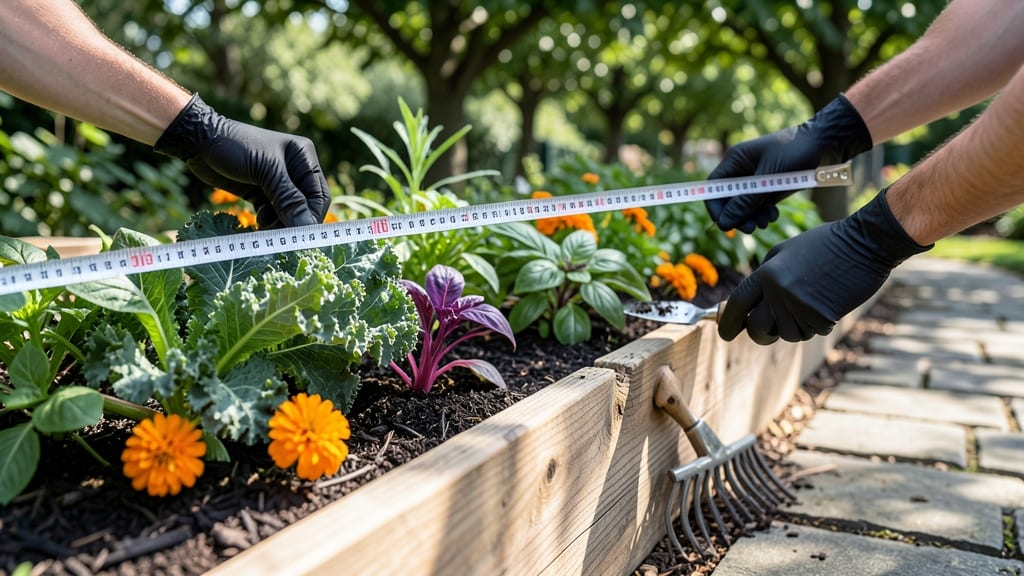
The ideal garden bed width isn’t just about fitting plants—it’s about unlocking 30% more yield with less effort.
Picture this: You’ve spent hours prepping soil, planting with care, and watering faithfully—only to watch your harvests underperform because the beds are too wide to reach the middle.
Or worse, you’ve crammed too many plants into a narrow strip, stunting their growth. The right width makes all the difference, and it’s simpler than you think.
Most gardeners overlook how width affects accessibility, sunlight exposure, and even root competition. A bed that’s 3-4 feet wide lets you stand comfortably on both sides, reach every plant without stepping on the soil, and maximize sunlight for even growth.
But what if your space is limited? Or you’re growing tall plants like tomatoes that need more room? We’ll break down the science-backed dimensions that work for raised beds, in-ground plots, and even containers.
By the end, you’ll know exactly how to design your garden for efficiency, productivity, and—most importantly—easy maintenance. No more guessing, no more wasted space. Just a garden that works as hard as you do.
Optimal garden bed width for plant spacing & reach
Choosing the right garden bed width isn’t just about fitting plants neatly—it’s a science that balances accessibility, sunlight exposure, and root competition. A bed that’s too wide makes maintenance difficult, while one that’s too narrow wastes space.
The 3-4 foot rule is your golden standard, but we’ll dive into why it works and how to adjust it for your specific plants.
Think about this: if you can’t comfortably reach the center of your bed without stepping on soil (which compacts roots), you’re already losing productivity. Studies show that 4-foot-wide beds allow gardeners to work from all sides without trampling plants, while still maximizing sunlight penetration to the center.
This isn’t arbitrary—it’s rooted in plant physiology and ergonomic design.
For vegetables like tomatoes and peppers, which need 18-24 inches of space to thrive, a 4-foot bed lets you fit two rows with easy access. Herbs like basil and parsley can share a 12-inch strip, while flowers like marigolds (which deter pests) can edge the bed.
The key is stratifying plants by height—tall in back, medium in middle, and low-growing in front.
Here’s where most gardeners go wrong: they assume wider beds = more yield. But without proper spacing, you’ll face increased disease risk from poor airflow and stunted growth due to root competition.
The 4-foot width gives you the sweet spot—enough space to grow a surprising amount while keeping everything manageable.
Now, let’s talk root zones. Plants with deep roots (like carrots or asparagus) need more horizontal space to spread, while shallow-rooted plants (like lettuce) can tolerate closer quarters.
A 3-foot bed might work for leafy greens, but you’ll sacrifice yield for broadleaf crops like squash or pumpkins, which need 3-4 feet of diameter each.
If you’re working with raised beds, the width rule still applies, but you’ll need to adjust for pathway access. A 4-foot bed with a 2-foot pathway on either side gives you the same reach benefits as an in-ground bed.
For container gardens, think vertically—stack pots or use trellises to maximize space in a 2-foot-wide area.
Don’t overlook the soil’s role in bed width. Compacted soil in wider beds can suffocate roots, while well-amended soil lets plants spread more freely. Mix in compost or aged manure to improve aeration, especially in 4-foot beds where roots compete for nutrients.
A simple soil test can tell you if your bed needs organic matter or balanced fertilizer.
Pro tip: use mulch to retain moisture and suppress weeds in wider beds. Straw or wood chips keep the soil cool and reduce the need for frequent watering—critical for drought-prone areas. This small step can turn a 4-foot bed into a high-yield powerhouse without extra effort.
For small spaces, like balconies or patios, narrow beds (2-3 feet) work perfectly with vertical gardening. Train vining plants like cucumbers or beans upward to save horizontal space. Even in tight areas, the 3-foot rule ensures you can tend to plants without crowding.
Remember: the optimal bed width isn’t set in stone—it’s a guideline. Experiment with your space, plants, and tools to find what works best. Start with a 4-foot bed for most vegetables, then tweak based on what you’re growing. Your garden’s efficiency (and your back’s happiness) will thank you!
How to calculate bed width for your garden layout
Calculating the perfect garden bed width starts with understanding your space and your goals. A well-measured bed ensures easy access, optimal sunlight exposure, and efficient plant spacing—all critical for maximizing your harvest.
Whether you're designing a raised bed, in-ground plot, or container garden, the same principles apply. Let’s break it down step by step to create a layout that works for you and your plants.
First, consider the 4-foot rule, a gardening standard that balances reachability and plant health. This width allows you to easily access the center of the bed without stepping on the soil, which can compact it and harm roots.
It also ensures that plants at the edges receive the same amount of sunlight and water as those in the middle. For taller plants like tomatoes or corn, you might need to adjust this rule slightly to accommodate their mature size.
- 1 Measure your available space. Use a tape measure to determine the total length and width of your gardening area, including any existing pathways or structures.
- 2 Account for pathways. Leave at least 2 feet of walking space between beds for easy tool access and maintenance. This prevents soil compaction and makes harvesting a breeze.
- 3 Apply the 4-foot rule. For most vegetable beds and herb gardens, aim for a width of 3-4 feet. This ensures you can reach the center without stepping on the soil.
- 4 Adjust for plant maturity. If you’re growing tall plants like sunflowers or pole beans, widen the bed slightly to 5 feet to accommodate their growth arcs and prevent shading smaller plants.
For raised beds, the same principles apply, but you’ll also want to consider the depth of the bed. A standard depth of 6-12 inches is ideal for most vegetables, while deeper beds (up to 18 inches) work well for root crops like carrots or potatoes.
When calculating width, remember that raised beds often require slightly narrower widths (around 3 feet) to ensure even moisture distribution and prevent water pooling in the center.
If you’re working with containers or vertical gardening, the rules change slightly. For containers, aim for a depth of at least 6 inches and a width that matches the root spread of your plants.
Vertical gardens, like trellises or wall-mounted planters, allow you to maximize space by growing plants upward, reducing the need for wide beds entirely. Just ensure your vertical structures are sturdy and provide enough support for climbing plants.
Finally, don’t forget to plan for future growth. If you’re adding new plants or expanding your garden next season, leave a little extra space to accommodate your evolving needs.
Sketching a rough layout on paper or using a gardening app can help you visualize the best use of your space before you start digging. With the right garden bed width, you’ll create a functional, productive, and beautiful space that makes gardening a joy.