
Tools
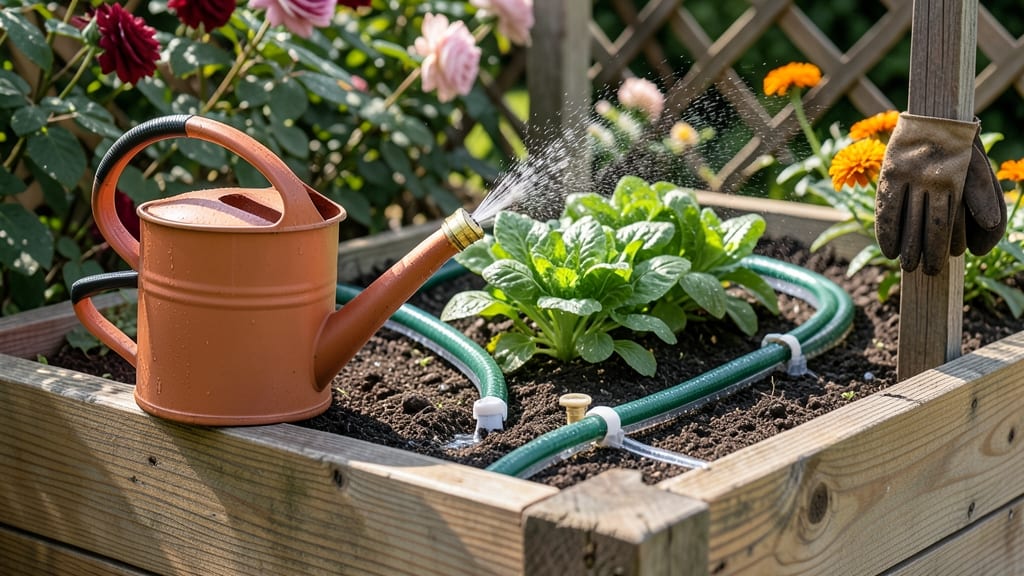
Watering your garden bed properly keeps plants thriving without wasting a drop — and the key is treating each section like its own microclimate.
Struggling with uneven moisture in your garden beds? Overwatering or underwatering can ruin your plants—and your water bill. The secret lies in strategic watering zones that deliver consistent hydration without waste.
Most gardeners assume one-size-fits-all watering works, but soil type, sun exposure, and plant needs create big differences even in a single bed. For example, leafy greens need frequent light drinks, while root crops prefer deep, infrequent soaks.
In this guide, you’ll learn how to divide your garden into smart zones, pick the right tools for each, and spot the signs of over- or under-watering before they damage your plants.


How to create watering zones in your garden beds
Struggling with uneven moisture in your garden beds? Overwatering some plants while others dry out is a common frustration. The solution? Dividing your garden into watering zones based on plant needs, soil types, and sun exposure.
This approach ensures every plant gets the right amount of water—no more wasted gallons or wilted leaves.
Creating watering zones isn’t just about convenience—it’s about plant health and efficiency. Different plants have unique hydration needs: tomatoes crave deep, consistent watering, while succulents thrive on neglect. By grouping plants with similar needs together, you’ll simplify your watering routine and reduce stress on your garden.
Before you start, gather these essential tools: a measuring tape, stakes or flags, a notebook, and a moisture meter (or your finger!). You’ll also need to assess your garden’s sun exposure and soil drainage.
Start by sketching your garden layout to visualize how to group plants effectively.
Here’s how to create efficient watering zones in just a few steps:
Assess Your Garden’s Layout
Walk through your garden and note sun exposure (full sun, partial shade, full shade) and soil types (sandy, clay, loamy). Group plants with similar needs together—this is the foundation of your zones.
Group Plants by Water Needs
Create 3-5 zones based on water requirements. For example:
- Zone 1: High-water plants like lettuce, basil, and peppers
- Zone 2: Medium-water plants like tomatoes, beans, and marigolds
- Zone 3: Low-water plants like lavender, rosemary, and succulents
Mark Your Zones
Use stakes or flags to mark the boundaries of each zone. Label them clearly (e.g., "Zone A: High Water") and note the watering schedule for each. This prevents confusion during maintenance.
Test Soil Moisture
Use a moisture meter or dig a finger into the soil (1-2 inches deep). If it feels dry, that zone needs water. If it’s soggy, reduce watering or improve drainage. Adjust your zones if some areas consistently retain too much or too little moisture.
Install Watering Systems
Choose the right watering method for each zone:
- Drip irrigation: Ideal for high-water zones (e.g., veggie beds)
- Soaker hoses: Great for medium-water zones (e.g., flowers)
- Hand watering: Best for low-water zones (e.g., succulents)
Monitor and Adjust
Check your zones weekly to ensure plants are thriving. Adjust watering schedules based on weather changes (e.g., more water in summer, less in fall). Keep a watering journal to track what works best for each zone.
One of the biggest mistakes gardeners make is ignoring soil type when creating zones. For example, clay soil holds moisture longer, so plants in those areas may need less frequent watering.
Conversely, sandy soil drains quickly, requiring more frequent deep watering. Always test your soil’s moisture retention before finalizing your zones.
Another pro tip: Mulch each zone to retain moisture and reduce evaporation. Use organic mulch (like straw or wood chips) for high-water zones and gravel or pebbles for low-water zones. This simple step can cut your water usage by up to 30% while keeping roots cool and healthy.
Don’t forget to rotate your watering routes every few weeks to prevent soil compaction and ensure even moisture distribution. Walk around your garden beds in a different pattern each time you water—this mimics natural rainfall and encourages stronger root growth.
With your watering zones in place, you’ll spend less time fussing and more time enjoying your thriving garden. Plus, your plants will thank you with healthier growth, bigger yields, and fewer pests (since overwatered plants attract more problems). Start small—even dividing one bed into two zones makes a difference!
Ready to transform your
Best watering techniques for each garden zone type
Not all plants in your garden bed have the same thirst. Root crops like carrots and potatoes need deep, infrequent watering to develop properly, while leafy greens like lettuce and spinach prefer consistent moisture at the soil surface.
Understanding these differences helps you create targeted watering zones that save water and boost plant health. Let’s break down the best methods for each zone type.
For root vegetables, I recommend drip irrigation or soaker hoses placed near the plant base. This delivers water directly to the roots where it’s needed most, reducing evaporation and runoff. Drip systems also allow you to set timers, ensuring consistent moisture without wasting water on leaves.
Pair this with mulch to lock in moisture and keep roots cool.
Leafy greens and herbs, on the other hand, thrive with overhead misting or light, frequent watering. A sprinkler system or gentle hose spray mimics natural rainfall, keeping the soil surface moist without drowning the roots. These plants often grow in shadier zones, so morning watering prevents fungal issues from lingering moisture.
Perennials and woody plants, like tomatoes or roses, benefit from deep-soak watering—a slow, thorough drink that encourages deep root growth. I use a watering wand or hose attachment to deliver 1-2 inches of water per session, focusing on the root zone.
This method reduces the need for frequent watering and helps plants withstand drought.
Efficiency is key, so I always water in the early morning to minimize evaporation and reduce fungal risks.
For container gardens, I use self-watering pots or wicking systems to maintain consistent moisture without manual checks. Mulching with straw or wood chips further conserves water by suppressing weeds and retaining soil moisture.
Adjust your watering schedule based on the season—summer months may require daily checks, while winter dormancy reduces frequency. Always check soil moisture with your finger: if the top 1-2 inches are dry, it’s time to water. This simple trick saves water and keeps your garden thriving.
By tailoring your approach to each zone, you’ll see healthier plants, fewer pests, and a lower water bill. Start with one zone, refine your method, and expand as you go. Happy gardening! 🌱