
Landscaping
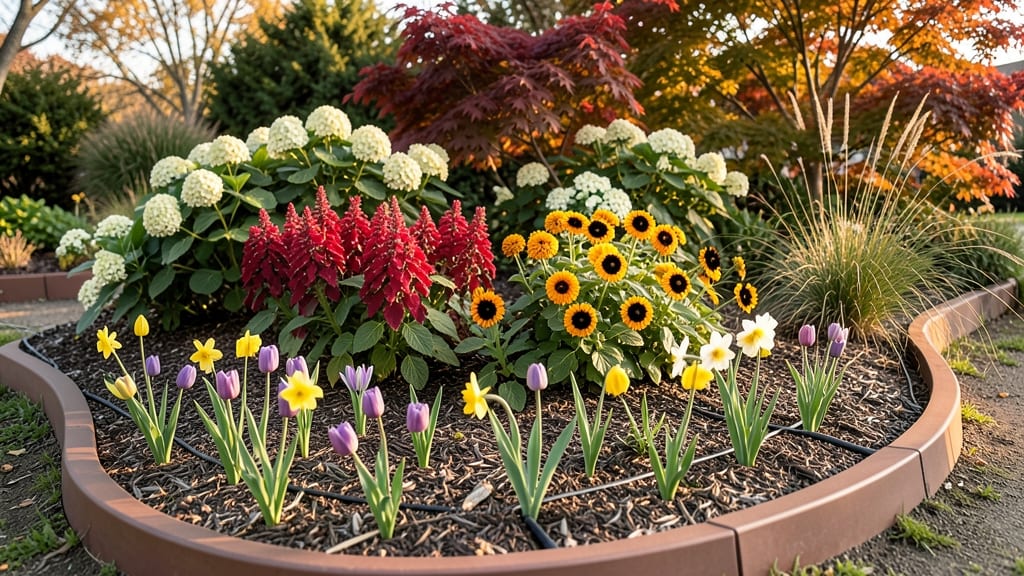
Transforming your garden beds can instantly elevate your outdoor space while creating thriving ecosystems for plants. These 10 creative landscaping ideas blend aesthetics with practical gardening strategies to maximize beauty, functionality, and plant health—whether you're a beginner or seasoned gardener.
Raised Wooden Garden Beds with Tiered Designs
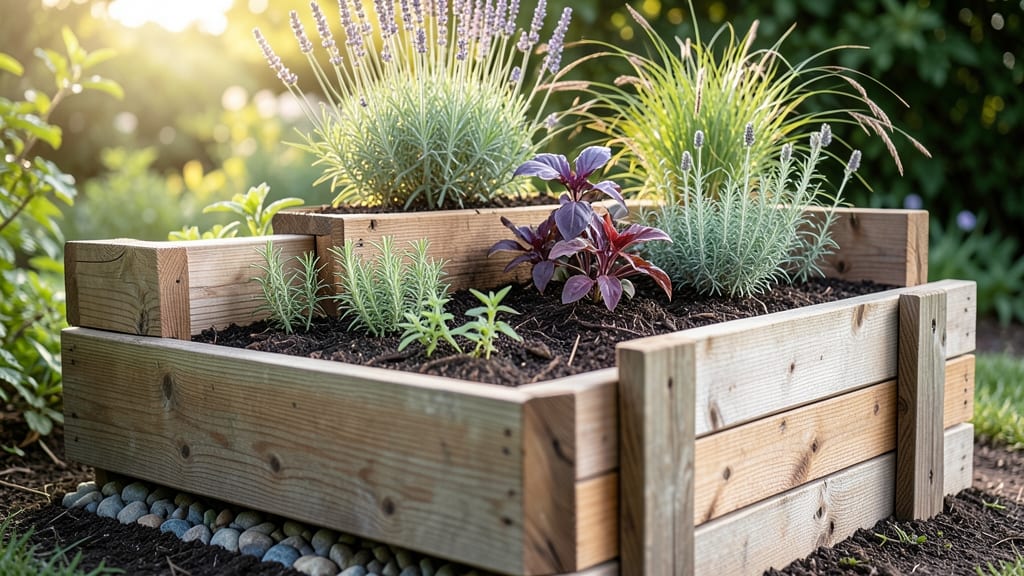
Struggling with poor soil or limited mobility? Tiered raised wooden beds transform gardening into an accessible, visually stunning experience while solving drainage problems. These multi-level designs let you grow herbs, vegetables, and perennials in perfect conditions—no bending required!
Start with cedar or redwood (naturally rot-resistant) for long-lasting beds. Place taller plants like basil or rosemary on upper tiers where they get maximum sunlight, while leafy greens thrive in lower, moister layers. The tiered structure also prevents soil compaction, ensuring roots grow freely. For mobility challenges, add a built-in seat between levels or position beds near your patio.
This design is a game-changer for urban gardeners, seniors, or anyone with limited space. The layered look adds depth to small yards while keeping all your plants within easy reach. 💪
Spiral Herb Garden with Edible Landscaping
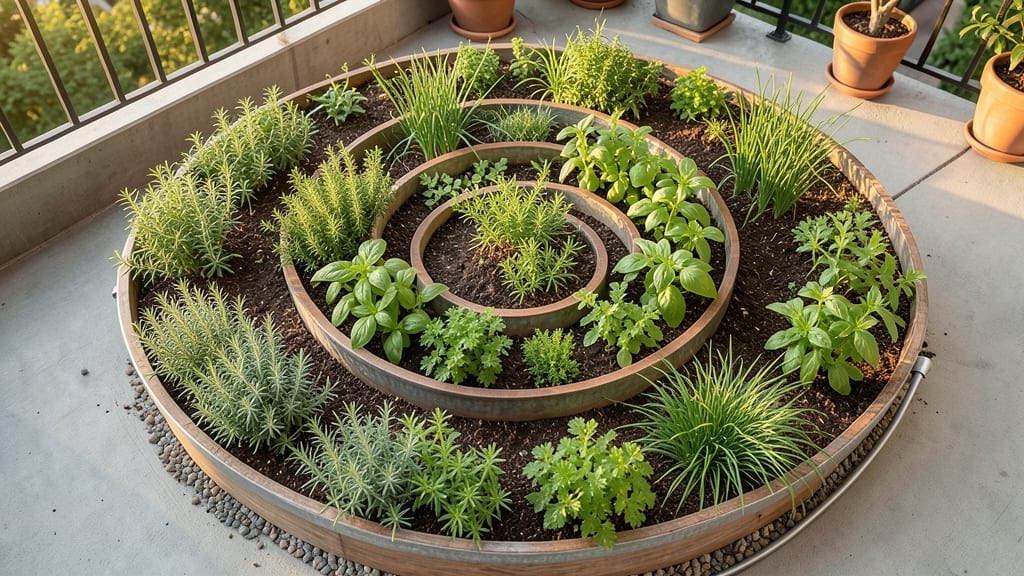
Turn your tiny patio or urban balcony into a culinary paradise with a spiral herb garden—where every plant gets its own sunbathing spot without sacrificing space. This design lets you grow six different herbs in just 3 feet of diameter, making it perfect for city dwellers with limited room.
Start by creating a circular bed with stone or brick edging to contain the soil. Plant sun-loving herbs like rosemary and thyme on the outer curve (where they’ll get 6+ hours of sun), while shade-tolerant parsley or cilantro thrive in the inner spiral. Add lettuce or microgreens in the center for quick harvests—just remember to water from the outside inward to avoid over-saturating the roots. The spiral shape naturally channels water toward the center, reducing waste.
This isn’t just practical—it’s a year-round edible landscape that doubles as a conversation starter. Renters, balcony gardeners, and herb enthusiasts will love how it maximizes flavor in minimal space. 🌱
Meadow-Style Wildflower Garden Beds
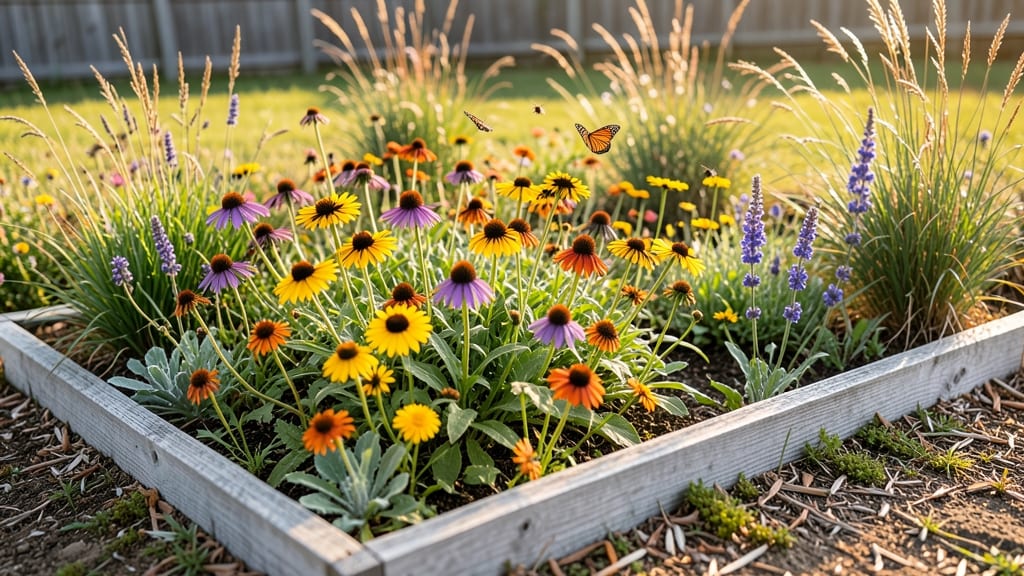
Skip the meticulous manicuring and let nature take the lead with meadow-style wildflower beds—a dream for gardeners who love beauty but hate weeding. These beds mimic natural ecosystems, requiring just one annual mow instead of weekly upkeep while supporting local pollinators like bees and butterflies.
Start by selecting a mix of native wildflowers like coneflowers, black-eyed Susans, and goldenrod, which thrive in full sun to partial shade and tolerate drought once established. Scatter seeds densely in early spring or fall, then mulch lightly with straw to suppress weeds. Water deeply once a week for the first month, then let the rain do the work—these beds are designed to self-sustain after the initial growing season.
This approach is ideal for eco-conscious gardeners, busy professionals, or anyone who wants to reduce water usage by up to 50% compared to traditional lawns. Plus, the ever-changing blooms create a dynamic, romantic look that evolves with the seasons. 🌻
Geometric Patterned Beds with Hardscaping
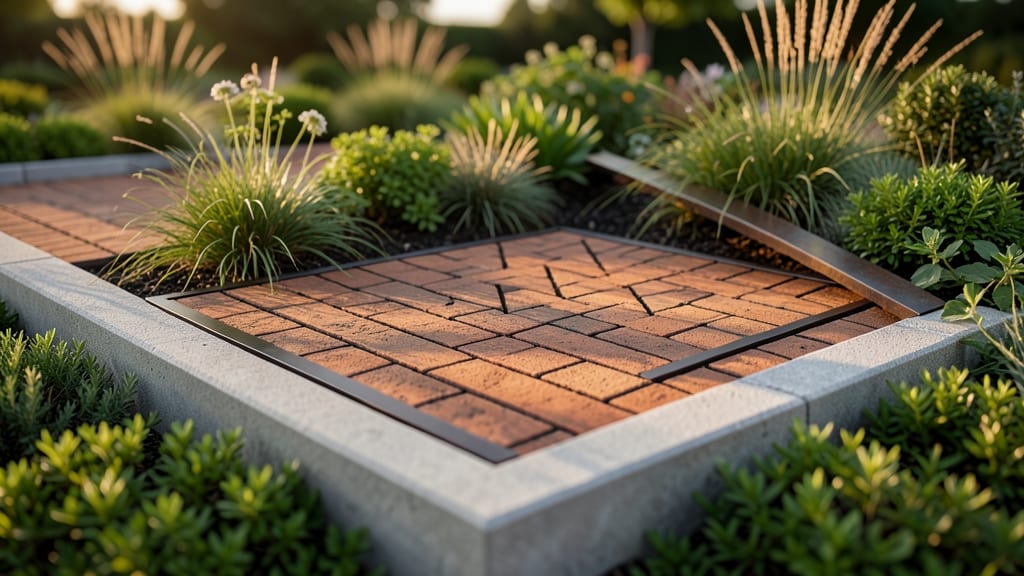
Tired of organic, meandering garden beds? Geometric patterned beds with hardscaping bring clean lines and modern sophistication to your outdoor space while keeping plants thriving.
Use brick pavers, metal borders, or concrete blocks to create sharp triangles, rectangles, or even abstract shapes. These materials not only define your design but also suppress weeds naturally. Pair them with drought-tolerant plants like lavender, sedum, or ornamental grasses to reduce maintenance while keeping the look sleek.
Perfect for urban gardeners or those with contemporary tastes, these beds require minimal upkeep and offer endless customization. Your garden will look intentional and polished with just a few strategic cuts and precise plant placement. ✨
Vertical Garden Walls for Small Spaces
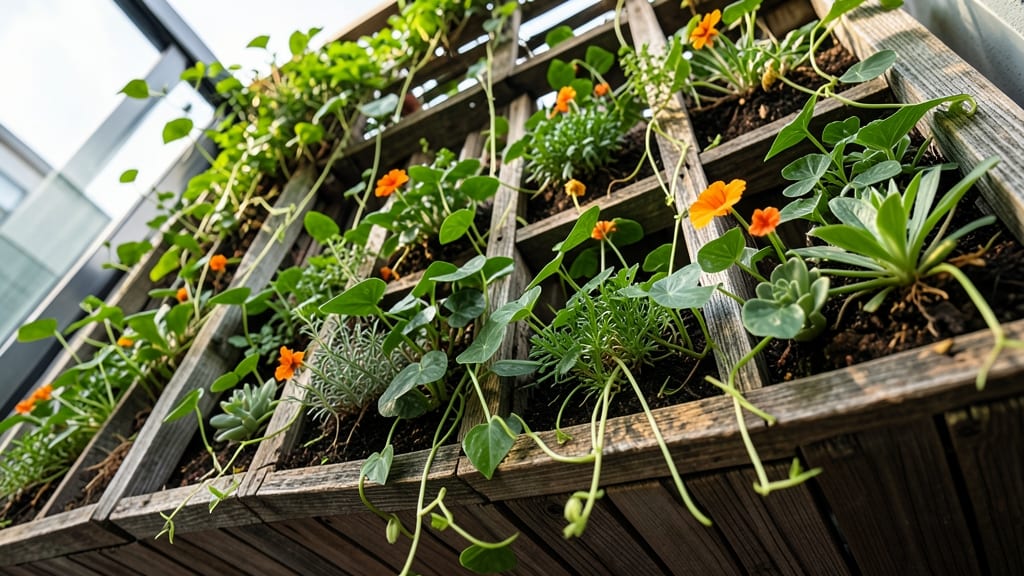
Turn your tiny balcony or urban patio into a lush green oasis with vertical garden walls—no sprawling yard required. These space-saving structures transform blank walls into thriving ecosystems, perfect for growing herbs, succulents, or trailing vines like pothos or nasturtiums.
Start with a wooden pallet (free or cheap at hardware stores) or modular planters that attach to walls. Fill pockets with well-draining soil and choose plants that thrive in your light conditions—sun-lovers like sedum or shade-tolerant ferns. For extra structure, add trellises for climbing plants like sweet peas or morning glories. Watering is easy: most vertical systems use drip irrigation or self-watering pockets to keep roots happy without overwatering.
This design is ideal for renters, small-space gardeners, or urban dwellers who want greenery without sacrificing square footage. Plus, it adds a stunning focal point to any outdoor area. 🌱
Moon Garden with Nocturnal Blooms
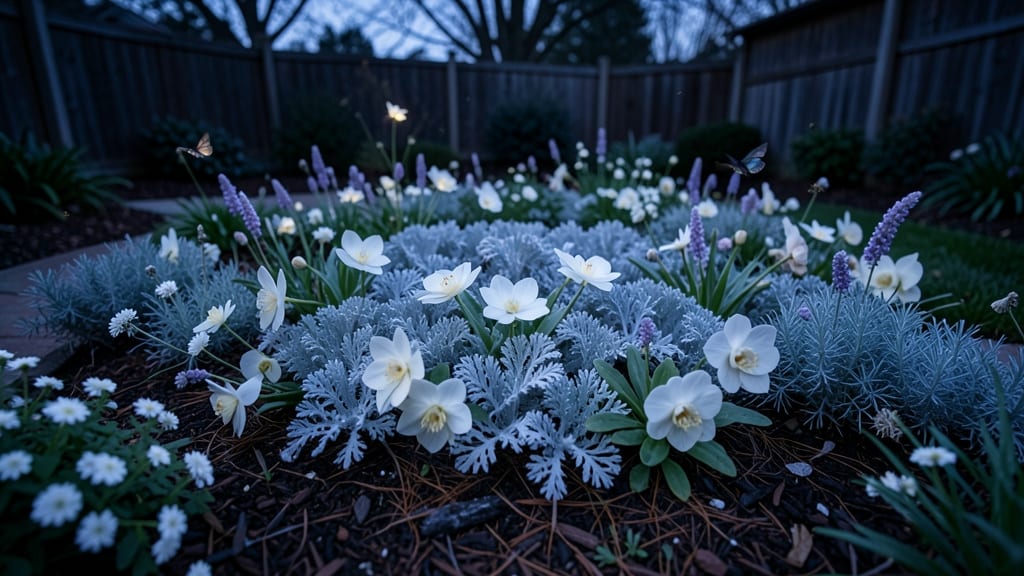
Transform your backyard into an enchanting nighttime retreat with a moon garden—a carefully curated bed where white, silver, and pale blooms glow under moonlight, creating a serene ambiance. This design isn’t just about beauty; it’s a haven for nocturnal pollinators like moths and bats, turning your garden into a late-night buffet for wildlife.
Start with moonflowers (Ipomoea alba), which unfurl their creamy-white blooms at dusk, followed by silver foliage plants like lamb’s ear (Stachys byzantina) or dusty miller (Jacobaea maritima). Add fragrant night-blooming jasmine (Jasminum sambac) or evening primrose (Oenothera biennis) for scent and texture. Plant in well-draining soil with partial shade to highlight their luminous hues after sunset.
Perfect for gardeners who love low-light gardening or want to extend their outdoor enjoyment into the evening, this bed requires minimal maintenance but delivers maximum magic. 🌟
Container Garden Beds with Mixed Heights
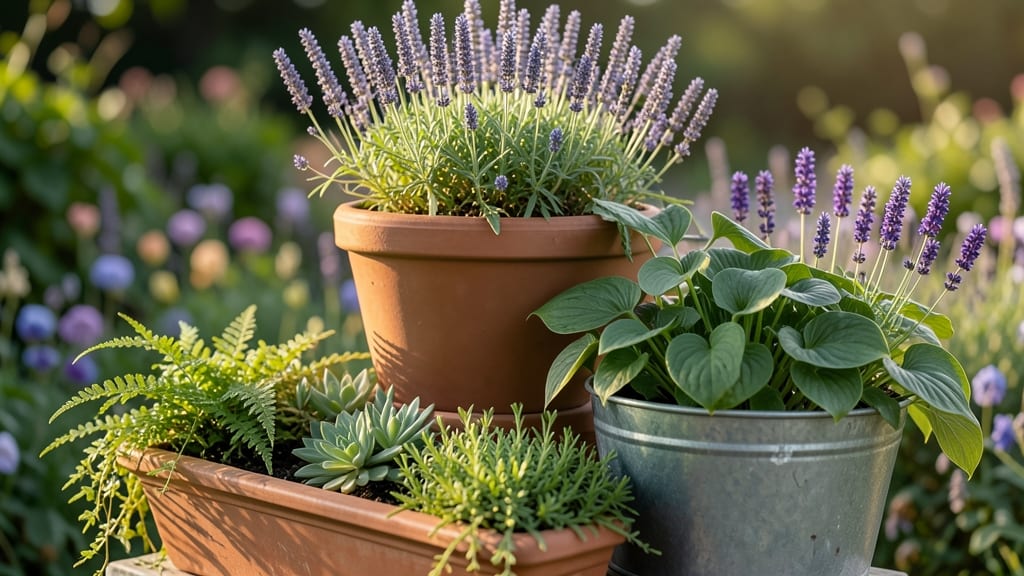
If you love plants but struggle with fixed garden spaces, container garden beds with mixed heights are your solution. This design lets you create a dynamic, eye-catching display while adapting to seasonal changes—perfect for renters or uneven yards.
Start by stacking containers in varying sizes, from large terracotta pots to small hanging baskets. Place taller plants like rosemary or lavender at the back, medium-height succulents or salvia in the middle, and trailing fuchsia or sweet potato vine at the front. Use a sturdy wooden crate or metal stand as a base for stability, and rotate containers every few months to refresh your space. This approach also makes it easy to swap out frost-sensitive plants in fall or move the entire setup indoors during winter.
Renters and urban gardeners will love how this design transforms limited spaces into lush, layered displays without permanent alterations. Plus, the flexibility to move plants ensures your garden stays vibrant year-round. 🌻
Native Plant Monoculture Beds for Pollinators
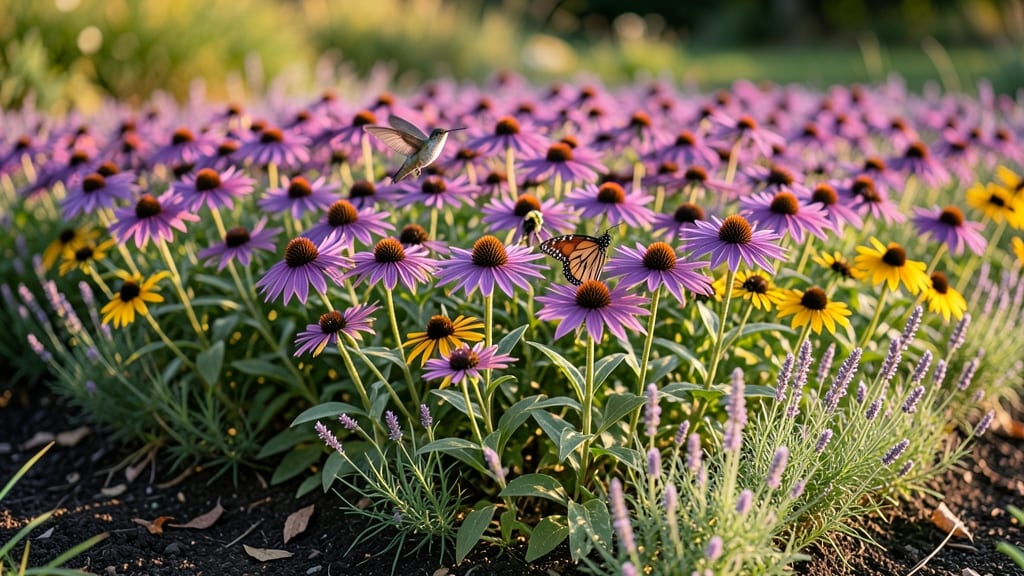
Want to create a pollinator paradise that thrives with minimal effort? Dedicated native plant monoculture beds are the secret weapon for wildlife gardeners—each bed features just one species, like purple coneflower or black-eyed Susan, creating a banquet for bees, butterflies, and hummingbirds while requiring almost no maintenance.
Start by selecting a native plant species that dominates your region’s ecosystem—these plants have evolved alongside local pollinators, making them irresistible. Plant them in a 3x6-foot bed with 3-4 feet of spacing between plants to allow room for growth and easy access for visitors. Use mulch to suppress weeds and retain moisture, and avoid fertilizers (native plants thrive in lean soil). This approach ensures year-round support for pollinators, as different species bloom at different times.
Perfect for eco-conscious gardeners, these beds require no pruning or deadheading—just let nature take its course. The result? A vibrant, buzzing ecosystem that supports biodiversity while adding striking visual interest to your landscape. 🌻
Curved Edging with Softscaping Techniques
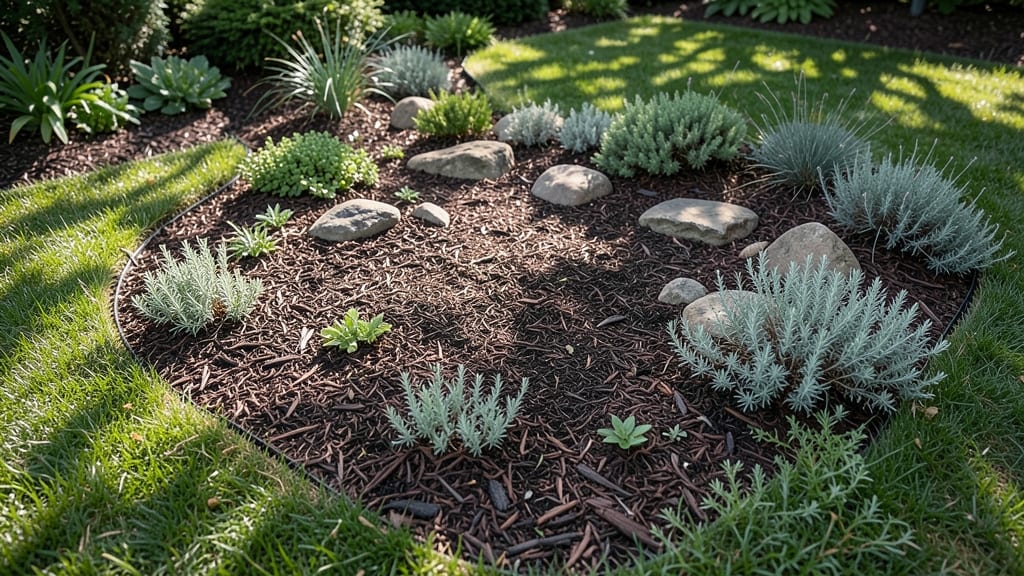
Skip the rigid, manicured edges and embrace the effortless elegance of softscaping—where flowing curves replace straight lines to create a garden that feels like a natural retreat. This technique uses mulch, rocks, or creeping ground covers to define beds organically, eliminating the need for plastic edging or concrete borders while adding a high-end, cohesive look.
Start by sketching gentle, winding shapes with a hose or garden twine, then use wood chips, river stones, or creeping thyme to follow your design. For a woodland feel, pair hostas and ferns with mulch edging in earthy tones, while sun-loving beds benefit from smooth river rocks that reflect light. The key is to let the plants spill slightly over the edges—this creates that "lived-in" charm while suppressing weeds naturally.
This approach is perfect for gardeners who love low-maintenance landscapes but want a polished look—ideal for shady gardens, woodland settings, or anyone tired of weeding around harsh metal borders. The soft transitions between sections also make your garden appear larger and more inviting. 💚
Seasonal Color Block Garden Beds

Tired of garden beds that look lackluster during half the year? Seasonal color block beds solve this by layering plants that perform sequentially—spring bulbs pop under snow melt, summer annuals take center stage, and autumn foliage steals the show as temperatures drop.
Start with spring bulbs like tulips or daffodils planted in the deepest layer, followed by summer annuals such as salvia or petunias in the middle, and top with autumn grasses like fountain grass or switchgrass. This strategic layering ensures no blank spots while requiring minimal extra work—just swap out frost-sensitive plants in fall. Mulch with seasonal chips (spring: brown, summer: green, autumn: orange) to enhance the color theme naturally.
Perfect for gardeners who want year-round curb appeal without constant replanting, this design works especially well for front yards where first impressions matter. The rotating colors keep your garden fresh and exciting for both you and your neighbors! 🌷