
Tools
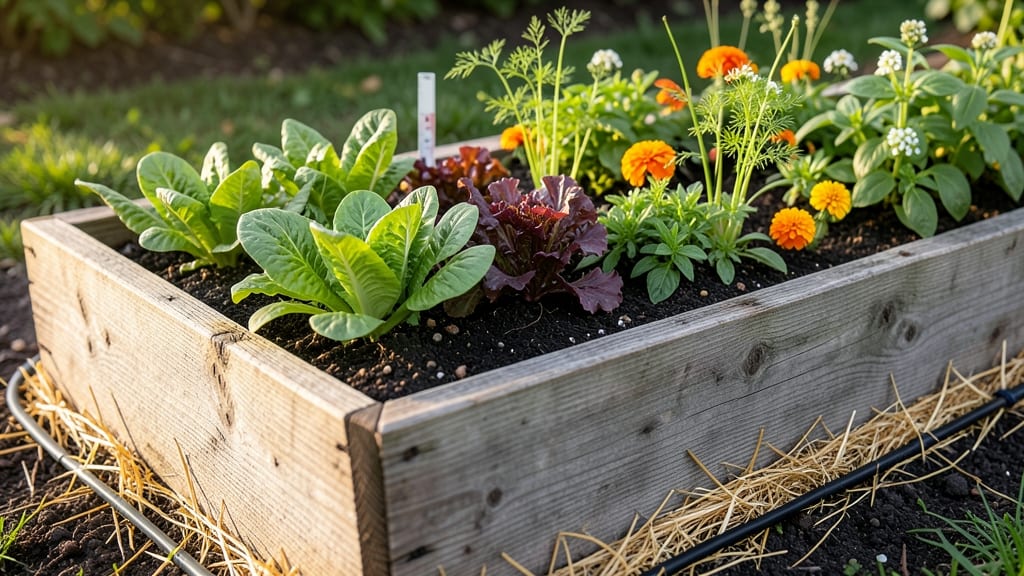
Determining garden bed height depends on your plants' root systems and soil conditions, with most vegetable and herb beds needing 6 to 12 inches of depth for optimal growth. Raised beds typically sit 8 to 12 inches above ground to improve drainage and reduce back strain.
Root depth is the key factor in choosing garden bed height—carrots and potatoes need 12+ inches of soil to develop fully, while lettuce and radishes thrive in just 4-6 inches. 🌱 Raised beds offer extra benefits like better drainage and easier access, but they also require more soil maintenance.
I've found that adding compost to the bottom layer of raised beds helps retain moisture while preventing compaction over time.
For in-ground beds, 6-8 inches is ideal for most annuals, but deep-rooted crops like asparagus or artichokes need custom solutions—like trenches or deeper sections. Clay soil benefits from raised beds because they prevent waterlogging, while sandy soil may need extra organic matter to retain nutrients.
Always consider your plants' specific needs before settling on a height.
💡 In This Article
- How Root Depth and Soil Quality Affect Garden Bed Height
- Choosing the Best Garden Bed Height for Your Plants
How root depth and soil quality affect garden bed height
The science behind garden bed height starts with root systems—each plant has unique depth requirements based on its growth habits.
Carrots and parsnips, for example, need 12-18 inches of loose, stone-free soil to develop their edible taproots, while shallow-rooted herbs like basil or thyme thrive in just 4-6 inches.
This difference happens because deeper roots require more space to access water and nutrients, while shallow roots focus on rapid growth near the surface. 🌱
Soil quality plays a critical role too. In in-ground beds, native soil often compacts over time, reducing oxygen availability to roots. Raised beds solve this by using 8-12 inches of amended soil (a mix of topsoil, compost, and perlite) that stays loose and well-aerated.
The extra height also improves drainage—critical for clay-heavy soils where water pools and roots suffocate. For instance, tomatoes in raised beds grow 20-30% faster than in ground beds because their roots get consistent airflow and moisture.
Nutrient absorption is another key factor. Deeper beds allow roots to tap into different soil layers, accessing minerals like phosphorus (found deeper) while shallower beds rely on surface organic matter.
This is why compost layers at the bottom of raised beds matter—they create a nutrient-rich zone where roots can spread without hitting hardpan (compacted subsoil). For example, kale planted in a 6-inch raised bed with compost will produce larger leaves than the same plant in compacted garden soil.
There's also the ergonomic benefit of raised beds. When beds sit 8-12 inches above ground, gardeners avoid bending over for extended periods, reducing back strain—a common issue in traditional in-ground beds.
This height also makes it easier to manage weeds and harvest crops without kneeling. For those with mobility challenges, 12-inch tall beds are often the sweet spot for accessibility and plant health.
One common mistake is assuming all plants need the same depth. Deep-rooted perennials like asparagus require 18+ inches of soil, while shallow-rooted annuals like lettuce do fine in 4-6 inches.
The solution? Many gardeners create multi-tiered beds—deeper sections for root crops and shallower areas for greens. This approach maximizes space while meeting each plant's specific needs.
For container gardening, the principles are similar but scaled down. 5-gallon pots (about 12 inches deep) work well for tomatoes, while shallow window boxes (4-6 inches) suit herbs.
The key is matching the container's depth to the plant's root system—never forcing a deep-rooted plant into a shallow space. This precision ensures healthy growth without wasted resources. 💫