
Landscaping
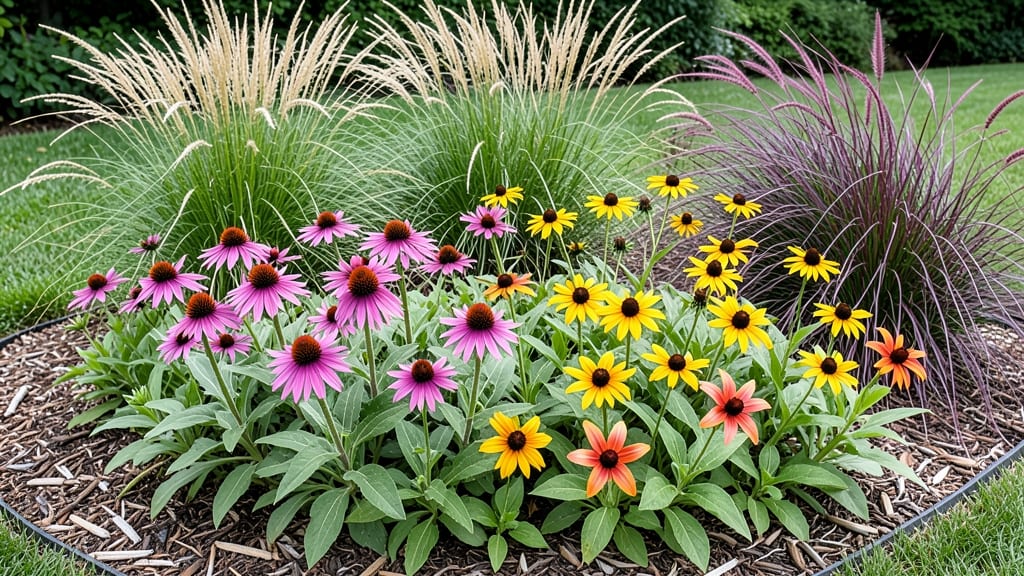
Your flower bed in front of the house pictures can’t capture—it’s your first impression, your welcome mat, and the secret weapon that makes neighbors pause to admire. 🌸 A well-designed flower bed transforms a blank space into a showstopper that blooms from spring through fall, with the right plants and layout.
I've designed beds that get compliments every season, from my first cottage-style garden to the modern pollinator haven I built last year.
Start with your house's architectural style and sunlight patterns—this determines everything from plant choices to bed shape. A narrow, rectangular bed works beautifully along a modern home's foundation, while a soft, winding edge suits a cottage-style cottage.
For maximum impact with minimal effort, focus on three-season interest: spring bulbs, summer perennials, and fall foliage plants that keep the bed lively year-round.
Picture this: vibrant purple coneflowers nodding in the breeze beside silvery lamb's ear, with golden-black Russian sage adding height and texture. The color palette shifts from soft pinks in spring to bold purples and reds by summer, then fiery oranges and deep reds in fall.
Maintenance stays simple with mulch and drip irrigation, so you spend more time enjoying the results than tending the bed.
Whether you're working with a small city lot or a spacious suburban yard, these designs scale beautifully. The key is layering plants by height and bloom time—short plants in front, medium in the middle, and tall ones at the back.
Add a few evergreens for winter structure, and you'll have curb appeal that never fades, no matter the season.
📚 In This Guide
- What you need
- Instructions
- Tips and common mistakes
- Wrapping up and next steps
What you need
- ● Soil & Amendments: Topsoil – 1-2 cubic yards (depends on bed size)
- ● Compost or aged manure – 1-2 bags (for nutrient boost)
- ● Mulch – 2-3 bags (pine bark or shredded hardwood)
- ● Plants & Flowers: 5-10 mature plants (perennials, shrubs, or annuals—mix heights/textures)
- ● Potted seedlings – 10-20 (for filling gaps)
- ● Hardware & Edging: Landscape fabric – 1 roll (to suppress weeds)
- ● Edging material – wood, metal, or stone (cut to bed dimensions)
- ● Garden stakes & twine – 5-10 stakes (for plant support)
- ● Tools: Shovel & spade – 1 each
- ● Garden rake – 1 (for leveling soil)
- ● Pruners – 1 pair (for trimming)
- ● Wheelbarrow – 1 (for hauling materials)
- ● Measuring tape & gloves – 1 each
- ● Decorative rocks or pebbles – for pathways or accents
- ● Solar-powered lights – to highlight your bed at night
- ● Drip irrigation kit – for low-maintenance watering
- ● Plant markers – to label varieties
- ● Kneeling pad – for comfort during long projects
Designing a striking front flower bed that elevates your home’s appeal
Here’s how to create a showstopping flower bed that transforms your front yard into the envy of the neighborhood.
🌱 Step 1: Plan Your Layout for Maximum Impact
Start by sketching your design on paper—this keeps costs down and prevents costly mistakes. Measure your space and divide it into sections: tall plants (like delphiniums or hollyhocks) go at the back, medium-height plants (such as salvia or black-eyed Susans) fill the middle, and low-growing ground covers (like creeping thyme or ajuga) cover the front. I like to use a 3:1 ratio of perennials to annuals for long-term beauty with seasonal pops of color.
Think about your home’s color palette, too. If your house has cool tones, warm flowers (reds, oranges) will make it stand out. For warm houses, cool flowers (blues, purples) create contrast. Place a few focal points—like a striking ornamental grass or a small sculpture—near the front edge to draw the eye. Sketching helps you visualize how light and shadows will play across the bed throughout the day.
🪴 Step 2: Prepare the Soil for Healthy Growth
Remove weeds, rocks, and grass from the bed—this is critical for preventing competition. Dig down 6-8 inches to loosen the soil, breaking up any compacted layers. If your soil is heavy clay or sandy, mix in 2-3 inches of compost to improve drainage and fertility. I like to spread a 1-inch layer of aged compost over the entire area and work it in with a garden fork.
For nutrient-rich soil, add a slow-release fertilizer (like 10-10-10) at planting time. If your bed gets heavy foot traffic, consider adding a 1-inch layer of mulch (like shredded bark) after planting to retain moisture and suppress weeds. Water the area deeply before planting to help roots establish faster.
☀️ Step 3: Choose Plants That Thrive in Your Climate and Light
Group plants with similar water and sunlight needs together. For example, sun-loving perennials (like coneflowers or daylilies) should go in the south or west side of the bed, while shade-tolerant plants (like hostas or ferns) belong on the north or east side. Check your local USDA hardiness zone to pick plants that survive winters in your area.
Pick a mix of bloom times so your bed has color from spring through fall. Early bloomers (like tulips or daffodils) kick off the season, while late bloomers (like asters or chrysanthemums) keep things lively into autumn. I always include at least one fragrant plant (like lavender or sweet alyssum) to add sensory appeal. Avoid overcrowding—space plants 12-18 inches apart for proper airflow and growth.
✂️ Step 4: Plant and Mulch for Long-Term Beauty
Dig holes twice as wide as the plant’s root ball but no deeper. Place each plant in the hole, ensuring the top of the root ball sits level with the soil surface—burying too deep can suffocate roots. Fill the hole with soil, pressing gently to remove air pockets. Water deeply to settle the soil and eliminate gaps.
After planting, spread a 2-3 inch layer of mulch (like pine straw or shredded bark) over the bed, keeping it 2 inches away from plant stems to prevent rot. Mulch locks in moisture, regulates soil temperature, and keeps weeds at bay. Water the bed again to help mulch settle and roots establish. Avoid overwatering—the soil should feel damp but not soggy to the touch.
🌿 Step 5: Maintain for Year-Round Appeal
Water deeply once or twice a week, depending on rainfall, to encourage deep root growth. Most flower beds need 1-1.5 inches of water per week, but adjust based on your climate. In hot summers, water in the early morning to reduce evaporation and fungal diseases. Deadhead spent blooms regularly to encourage more flowers and keep the bed looking tidy.
Fertilize lightly in early spring and midsummer with a balanced, slow-release fertilizer. Prune back perennials in late fall or early spring to shape them and remove dead growth. Add new plants in early spring or fall to fill gaps and refresh the bed. With consistent care, your front flower bed will stay vibrant and welcoming year after year.
Tips & tricks for designing a striking flower bed that elevates your home’s curb appeal
Creating a front flower bed that truly stands out takes more than just planting pretty flowers—it’s about strategic planning and a few key tricks that make all the difference.
Design with Light and Shadow in Mind: When sketching your layout in Step 1, walk through your yard at different times of day to observe how sunlight shifts. If your front yard gets harsh afternoon sun, consider shade-tolerant plants like hostas or ferns for the south-facing side of the bed. For morning sun areas, sun-loving perennials like coneflowers will thrive. This simple observation can prevent future struggles with wilting plants.
Layer Your Plants Like a Pro: The 3:1 ratio of perennials to annuals mentioned in Step 1 is perfect, but don’t forget to think vertically! Start with tall plants like delphiniums at the back (18-24 inches tall), then add medium-height plants like salvia (12-18 inches) in the middle, and finally low-growing ground covers like creeping thyme (3-6 inches) at the front. This creates depth and draws the eye upward, making your bed look more lush and intentional.
Soil Prep Makes All the Difference: In Step 2, when you’re mixing in that 1-inch layer of aged compost, don’t skimp on the preparation. If your soil is particularly compacted, consider renting a rototiller for the initial 6-8 inches of digging—this breaks up tough layers that can strangle new roots. For heavy clay soil, mix in a bit of coarse sand to improve drainage, while sandy soil benefits from extra compost to retain moisture.
Seasonal Color Rotation: To maintain that "wow" factor year-round, plan your bloom times strategically. In Step 3, when selecting plants, include early spring bloomers like crocuses, summer favorites like black-eyed Susans, and fall stars like chrysanthemums. I also recommend adding a few evergreen shrubs like boxwood or dwarf holly to provide structure and color during winter months when other plants have gone dormant.
Pro Tips for Flower Bed In Front Of House Pictures
- Creating a front flower bed that truly stands out takes more than just planting pretty flowers—it’s about strategic planning and a few key tricks that make all the difference.
- Design with Light and Shadow in Mind: When sketching your layout in Step 1, walk through your yard at different times of day to observe how sunlight shifts.
- Layer Your Plants Like a Pro: The 3:1 ratio of perennials to annuals mentioned in Step 1 is perfect, but don’t forget to think vertically!
Frequently asked questions
Got questions about transforming your front yard with a stunning flower bed? You’re in the right place! Here are answers to the most common queries—from planning to maintenance—so you can create curb appeal that turns heads (and maybe even wins "Best Neighborhood Garden" ).
What’s the best time of year to plant a flower bed in front of my house?
The ideal time depends on your climate, but spring (after the last frost) and early fall (6-8 weeks before the first frost) are the sweet spots. These windows give plants time to establish roots before extreme heat or cold. For perennial flowers, early spring is key—they’ll bloom year after year with minimal effort!
How much does it cost to create a flower bed in front of my house?
Costs vary wildly based on size, plants, and whether you DIY or hire a pro. A small, low-maintenance bed (10x10 ft) with mulch, soil amendments, and basic perennials might run $100–$300. Upgrading to shrubs, ornamental grasses, or hardscaping (like borders) can push costs to $500–$1,500+. Pro tip: Buy plants in early spring or fall for discounts, and divide perennials from friends’ gardens to save!
What are the easiest flowers to maintain in a front-yard flower bed?
If you’re short on time (or thumbs ), opt for low-maintenance stars like:
- Perennials: Coneflowers, black-eyed Susans, daylilies, and lavender (drought-tolerant!).
- Bulbs: Daffodils, tulips, and alliums (pop up year after year with zero fuss).
- Ground covers: Creeping thyme or ajuga to suppress weeds.
Pair these with mulch to retain moisture and cut down on weeding. Win-win!
How do I keep pests (like deer, rabbits, or bugs) out of my flower bed?
Pests can turn your dream bed into a snack bar overnight. Try these non-toxic tricks:
- Install deer-resistant plants like daffodils, marigolds, or boxwood.
- Use physical barriers (chicken wire for rabbits, tall fencing for deer).
- Apply organic pest deterrents like neem oil or garlic spray.
- Add repellent plants like rosemary, mint, or lavender near borders.
Pro tip: A motion-activated sprinkler (like ScareCrow) can scare off critters without chemicals!
Can I mix flowers with shrubs or other plants in my front flower bed?
Layering textures, heights, and colors creates depth and visual interest. Try this combo:
- Back row: Tall shrubs (hydrangeas, boxwood) or ornamental grasses.
- Middle layer: Medium-height perennials (like salvia or Russian sage).
- Front edge: Low-growing flowers (pansies, ajuga) or edging plants (like creeping phlox).
Just ensure each plant gets the right sunlight and water. Group plants with similar needs together for easy care!
Wrapping up and next steps
A stunning flower bed in front of your house isn’t just about beauty—it’s a bold statement of creativity and care that transforms your curb appeal into a showstopper. 🌸 Whether you’re drawn to vibrant perennials, elegant annuals, or lush greenery, the right design can elevate your home’s charm and leave neighbors admiring your green thumb.
Now that you’re armed with inspiration, materials, and answers to common questions, it’s time to roll up your sleeves and get planting!
🌱 Your Next Step: Sketch It Out!
Start small: Grab a notebook, sketch a rough layout, and pick 3-5 standout plants to anchor your design. Need more ideas? Browse flower bed inspiration galleries or visit a local nursery for hands-on advice. Every masterpiece begins with a single seed—yours could be next!