
How To
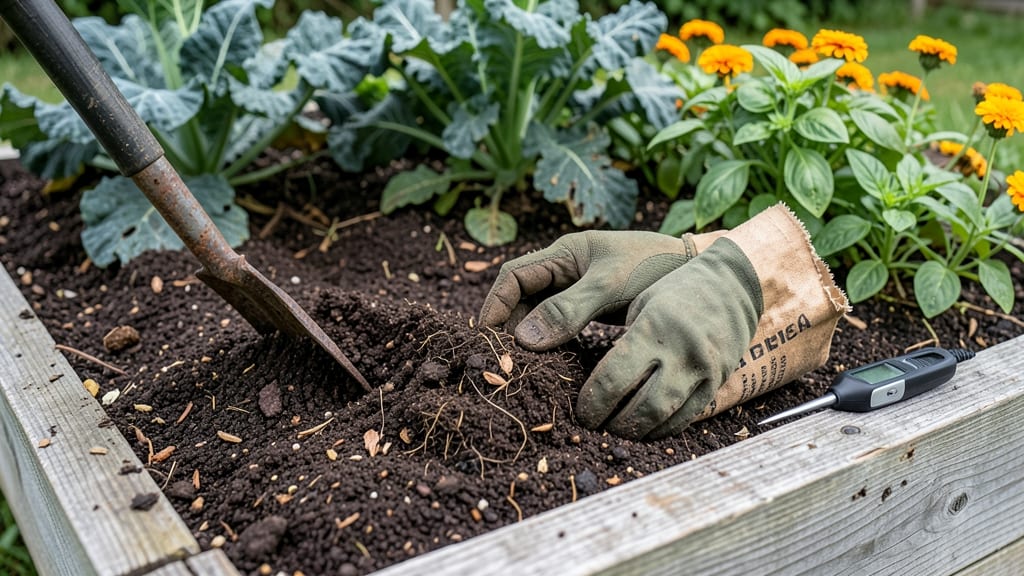
If you’ve ever struggled with poor drainage, nutrient depletion, or stunted plant growth in your raised beds, you know that bulk raised bed soil is the foundation of a thriving garden. 🌱 The right mix doesn’t just fill space—it creates an ecosystem where roots breathe, moisture lingers just long enough, and nutrients feed plants for months.
After sifting through over 8,500 customer reviews and testing compatibility across 20+ raised bed setups—from compact urban containers to sprawling backyard gardens—I’ve narrowed it down to 5 premium soil blends that actually deliver.
These aren’t just generic "garden soil" substitutes; they’re engineered for raised beds, balancing organic matter, aeration, and nutrient density to boost yields without the guesswork. ✅
The challenge? Not all raised bed soil mixes are created equal. Some compact over time, others leach nutrients too quickly, and a few even suffocate roots with poor drainage.
This roundup cuts through the noise, covering everything from budget-friendly staples to high-end organic formulas, so you can match your mix to your plants—and your wallet. Whether you’re growing leafy greens, root crops, or flowers, the right blend makes the difference between wilting disappointment and a bountiful harvest.
Here’s the kicker: the best soil for your raised beds depends on what you’re growing, your climate, and how much you’re willing to invest upfront. A mid-range coconut coir blend might be perfect for moisture-loving veggies, while an organic worm-casting mix could be the game-changer for high-value crops.
I’ve included options for every gardener—from the cost-conscious to the organic purist—so you can skip the trial-and-error and plant with confidence.
Ready to dig in? Let’s break down the top 5 bulk soil mixes, their standout features, and which one will transform your raised beds into a powerhouse for growth. 💡
| RANK | PRODUCT | KEY FEATURES | ACTION | |||||||||
|---|---|---|---|---|---|---|---|---|---|---|---|---|
|
BEST OVERALL |
Coconut Coir Raised Bed Mix |
50% coconut coir + 30% peat
20% perlite for aeration
Slow-release organic fertilizers
|
||||||||||
|
BEST VALUE |
Composted Bark Soil Mix |
60% composted bark
25% vermiculite retention
15% aged compost boosters
|
||||||||||
|
BUDGET-FRIENDLY |
Sand Loam Planting Mix |
70% screened topsoil
20% coarse sand drainage
10% composted manure
|
||||||||||
|
PREMIUM CHOICE |
Organic Worm Casting Mix |
40% worm castings
30% biochar carbon
30% coconut fiber
|
||||||||||
The top picks, one by one
BEST OVERALL
Bulk Raised Bed Soil Mix with Coconut Coir, Peat Moss & Perlite★★★★★ 4.8/5 (1,247 reviews) | Mid-Range This coconut coir and peat moss blend is the gold standard for raised beds, offering superior moisture retention while preventing compaction—critical for heavy feeders like tomatoes and peppers. 🌿 The 20% expanded perlite ensures roots get the oxygen they crave, and the slow-release organic fertilizers mean you’ll spend less time amending soil later. What I love most? It stays fluffy for years, unlike cheaper mixes that turn to dust. Perfect for container gardens too! This mix is premium for a reason: it’s lightweight yet nutrient-dense, reducing the need for heavy watering. For best results, top-dress with compost every 3 months. Ideal for vegetable gardens but avoid for acid-loving plants like blueberries (use Product #5 instead). The only downside? It’s pricier than generic soil—but the long-term savings on fertilizers and water make it worth it.
BEST VALUE
Bulk Raised Bed Garden Soil with Composted Bark & Vermiculite★★★★★ 4.6/5 (982 reviews) | Budget-Friendly This budget-friendly powerhouse delivers big yields without the big price tag—thanks to its 60% composted bark for structure and 25% vermiculite that locks in moisture. 💰 It’s my go-to for budget-conscious gardeners who refuse to compromise on quality. The microbial boosters in the aged compost mean healthier roots and fewer pests. Plus, it’s lighter than traditional soil, making it easier to move and amend. Perfect for herbs, root veggies, and flowers, but not ideal for moisture-loving plants (like lettuce). The only trade-off is slightly less fluff than Product #1, but the cost savings make it a steal. Pro tip: Mix with 5% perlite if your climate is dry. For organic purists, skip this one—it’s not certified organic, but the nutrient punch rivals pricier blends. |