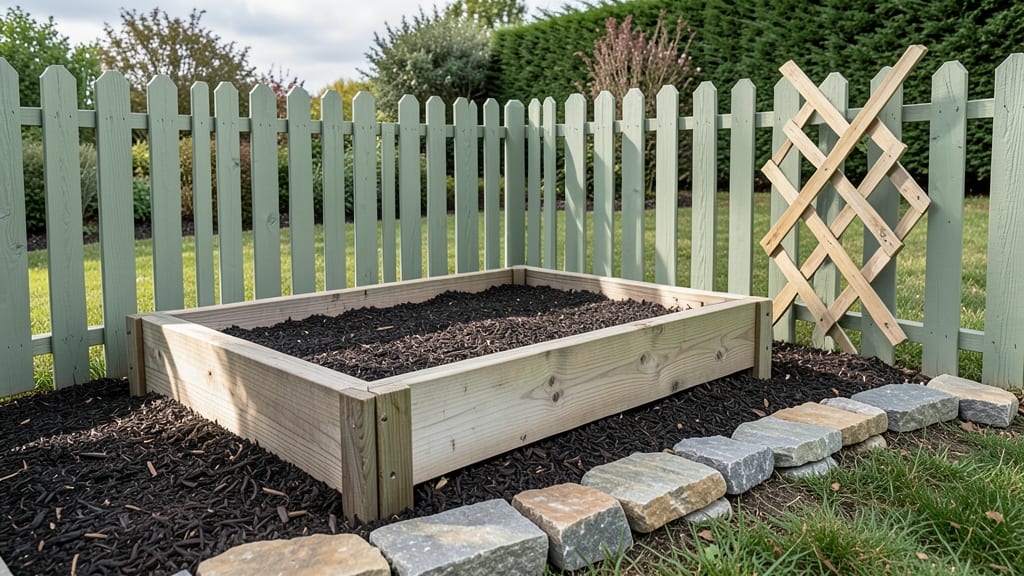
Buying guide: how to choose the right Garden Bed Frame with Fence
1. Material Durability and Weather Resistance 🛡️
A bed frame with fence must withstand seasonal changes, pests, and weather without compromising your plants' health. Wooden frames like cedar or redwood offer natural rot resistance and a classic aesthetic, but require regular staining or sealing. Metal frames (steel or galvanized iron) are the most durable, especially in humid climates, but can overheat in direct sunlight—opt for powder-coated finishes to prevent rust. Plastic or composite materials are lightweight and low-maintenance, ideal for temporary setups or small gardens.
Counterintuitively, I recommend avoiding untreated pine or pressure-treated lumber without a sealant, as they degrade faster and may leach chemicals into your soil.
2. Modularity and Expandability for Garden Growth ⚡
One of the biggest mistakes gardeners make is choosing a fixed-size frame that limits future expansion. Look for modular designs with interlocking sections, allowing you to add panels as your garden grows.
The best options feature 4x8-foot sections (the standard size for lumber and gardening supplies), which make it easy to mix and match. If you're planning a long-term layout, prioritize frames with adjustable corner connectors or snap-together systems—these simplify reconfiguration without tools.
For example, the modular steel frame with removable lattice panels lets you expand horizontally or vertically without buying a whole new structure.
3. Privacy Level vs. Airflow and Light Requirements ✅
Not all privacy solutions are created equal—solid fences block wind and prying eyes but can smother plants by reducing airflow and light. Instead, opt for lattice, slatted, or trellis-style designs that balance privacy with plant health.
For sun-loving plants like tomatoes or herbs, 6-inch spacing between slats provides partial shade while allowing light penetration. If you're growing shade-tolerant plants (e.g., ferns or hostas), you can opt for taller, denser panels (42-inch height) without sacrificing growth.
Pro tip: Avoid frames with full-height solid panels unless you're growing in a fully shaded area or using them purely for decorative purposes.
4. Aesthetic Integration with Garden Design 💡
Your garden frame should complement—not clash with—your outdoor space. Natural wood frames blend seamlessly into cottage or rustic gardens, while metal or wrought-iron designs elevate modern or formal landscapes.
Pay attention to color finishes: Powder-coated steel in earthy tones (greige, olive, or rust) works well in natural settings, whereas galvanized iron with a black finish adds a sleek, contemporary touch. For cohesive aesthetics, choose frames that match your hardscaping materials (e.g., stone paths, decking, or patio furniture).
Don’t overlook the height of the fence—taller frames (5-6 feet) offer better privacy but may feel overwhelming in small gardens.
5. Budget Considerations Without Sacrificing Quality 💰
Entry-level plastic or resin frames start at budget-friendly pricing, ideal for temporary setups or small-scale gardens. These are lightweight, easy to assemble, and often foldable for seasonal storage. Mid-range wooden or metal frames offer the best balance, delivering durability and customization without breaking the bank.
For a significant investment, premium wrought-iron or solid cedar frames add timeless elegance but require more maintenance. I recommend allocating 10-15% of your garden’s total budget to the frame—this ensures you get a high-quality structure that lasts for years while leaving room for plants, soil, and decorative elements.
Frequently asked questions
Q: What materials should I look for in a bed frame with fence to ensure durability and weather resistance?
A bed frame with fence should prioritize materials that resist rot, rust, and pests while maintaining structural integrity. For long-term use, I recommend pressure-treated cedar or redwood—these naturally resist decay and insects, making them ideal for wooden frames. If you prefer metal, opt for powder-coated steel or galvanized iron, as these prevent rust and corrosion, especially in humid climates. For budget-friendly or temporary setups, UV-resistant polycarbonate or composite materials are lightweight and low-maintenance. Avoid untreated pine or low-quality lumber, as these degrade quickly and may leach harmful chemicals into your soil.
Q: How do I determine the right height and privacy level for my garden bed frame?
The ideal height and privacy level depend on your garden’s layout and plant needs. For partial shade and airflow, choose a frame with lattice or slatted panels (6-inch spacing) to allow light while blocking wind and prying eyes. If you need full privacy, opt for a 42-inch to 6-foot tall fence, but ensure it doesn’t block all sunlight—this is critical for sun-loving plants like tomatoes or herbs. For shade-tolerant plants (e.g., ferns or hostas), taller, denser panels work well. Always consider your garden’s proximity to neighbors or pathways; taller frames offer better privacy but may feel overwhelming in small spaces.
Q: Can I easily expand or reconfigure a bed frame with fence as my garden grows?
Yes! The best modular garden bed frames feature interlocking sections or snap-together designs, allowing you to expand horizontally or vertically without buying a new structure. Look for frames with 4x8-foot sections (the standard size for lumber and gardening supplies) and adjustable corner connectors. For example, the modular steel frame with removable lattice panels lets you add panels as needed or reconfigure your layout seasonally. Avoid fixed-size frames, as they limit future flexibility. If you’re planning a long-term garden, prioritize designs with tool-free assembly for easy adjustments.
Q: What’s the difference between a wooden frame and a metal frame for garden beds?
1
Wooden frames
(like cedar or redwood) offer a natural, rustic aesthetic and blend seamlessly into cottage or rustic gardens. They’re easier to customize and paint, but require regular sealing or staining to prevent rot and insect damage. Metal frames (steel or wrought iron) are more durable, especially in harsh climates, and resist pests entirely. However, they can overheat in direct sunlight, so opt for powder-coated finishes to prevent rust. Metal frames also add a sleek, modern touch but may feel less organic in traditional garden settings. Choose based on your priority: natural beauty (wood) or long-term durability (metal).
Q: Is a bed frame with fence worth the investment for small gardens?
Even in small gardens, a bed frame with fence adds structure, privacy, and protection for your plants. For tight spaces, opt for modular or foldable designs (like the plastic snap-together frame) to save space and storage. A well-chosen frame can also elevate your garden’s design, making it feel intentional and polished. If you’re growing delicate plants or herbs, the added privacy and wind protection are especially valuable. For budget-conscious gardeners, start with a budget-friendly wooden or plastic frame—these deliver solid performance without a premium price tag.
Q: How do I maintain and clean my garden bed frame to extend its lifespan?
Regular maintenance keeps your bed frame with fence looking great and lasting longer. For wooden frames, clean with a mild soap solution and rinse thoroughly, then apply a fresh coat of sealant or stain every 1-2 years to prevent rot and insect damage. Metal frames should be wiped down with a damp cloth to remove dirt, and any rust spots should be sanded and treated with a rust converter. Plastic or composite frames only need occasional rinsing with water. Avoid harsh chemicals, as they can degrade materials over time. Store removable panels in a dry place during harsh winters or storms to prevent warping or damage.
Q: What’s the best budget-friendly alternative to a high-end garden bed frame?
If you’re looking for an affordable alternative without sacrificing quality, consider a pressure-treated cedar frame with slatted panels or a plastic garden bed frame with snap-together fencing. These options offer solid privacy, durability, and easy assembly at a fraction of the cost of premium wrought-iron or solid cedar frames. For example, the budget-friendly wooden frame with tool-free assembly provides natural aesthetics and partial shade, while the plastic frame is lightweight, foldable, and ideal for temporary setups. Both are great for small to medium gardens and require minimal maintenance.
★★★★★5.0(11 reviews)